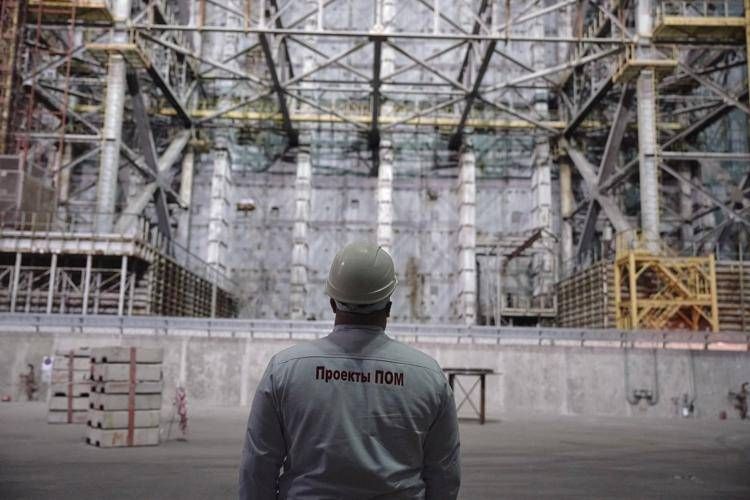
The 1986 reactor explosion remains the worst nuclear accident in history, while the site continues to face modern security risks...
Read More
International-News
Ceasefire between PKK and Turkey: Ocalan’s call marks historic turning point
PKK leader Abdullah Ocalan calls on militants to lay down their arms, declaring an end to the Kurdistan Workers’ Party and paving the way for peace with Turkey
Militants of the Kurdistan Workers’ Party (PKK) have declared a ceasefire with Turkey, responding to an appeal by their leader Abdullah Ocalan, imprisoned since 1999 on Imrali Island. Ocalan called for the dissolution of the PKK and the abandonment of arms, a historic step for the Kurdish movement, which is considered a terrorist organization by the Ankara government.
In a statement released by the ANF news agency, the PKK’s executive committee announced, “To pave the way for the implementation of leader Apo’s (Ocalan) call for peace and a democratic society, we declare a ceasefire starting today.”
Ocalan’s appeal and Turkey’s reaction
Ocalan’s appeal was echoed in statements by Turkish President Recep Tayyip Erdogan, who called it a “historic opportunity to destroy the wall of terror” and move toward a new phase of peace. The spokesman for Erdogan’s AKP party, Omer Celik, also urged Kurdish fighters in Iraq and Syria to lay down their weapons, stressing that the call also covers the YPG, the main component of the Syrian Democratic Forces, considered by Turkey to be the Syrian arm of the PKK.
Celik reiterated that the Turkish government will continue to closely monitor the evolution of the process, combining a hard approach in military operations in Iraq and Syria with a soft approach, i.e., inviting armed groups to lay down their weapons.
A new phase for the Kurdish conflict
The ceasefire announced by the PKK and Ocalan’s call for peace represent a crucial turning point in the long conflict between the Turkish government and Kurdish militants. After decades of violence and military operations on both sides, the possibility of a peaceful solution seems more concrete than ever, although challenges remain on the political and diplomatic fronts.
Statements by Erdogan and Celik show a readiness on Turkey’s part to welcome this new phase with caution, while continuing to maintain high military pressure on Kurdish armed groups active in the region. However, the success of this peace process will depend on the willingness of the different factions involved to finally give up arms and engage in constructive dialogue.
THE LATEST NEWS
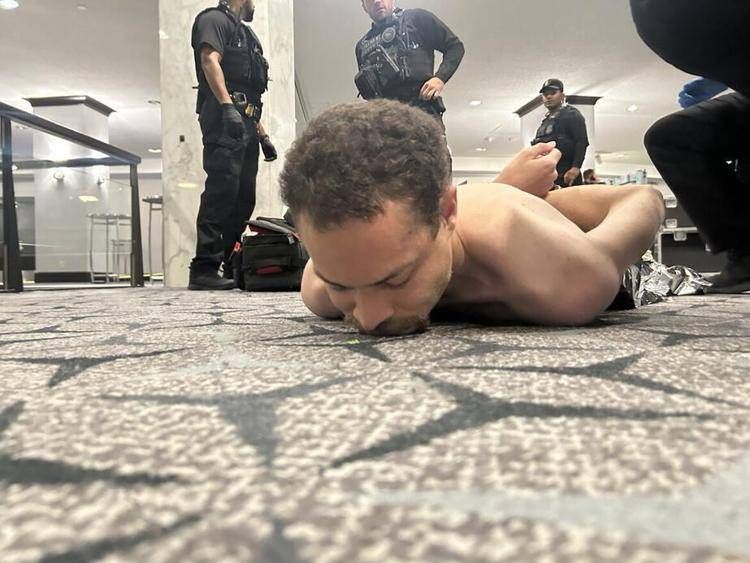
Trump posts suspect image after Washington shooting arrest
26 Aprile 2026
President says attacker acted alone; FBI urges public to share information as investigation expands. Donald Trump shared on Truth Social...
Read More
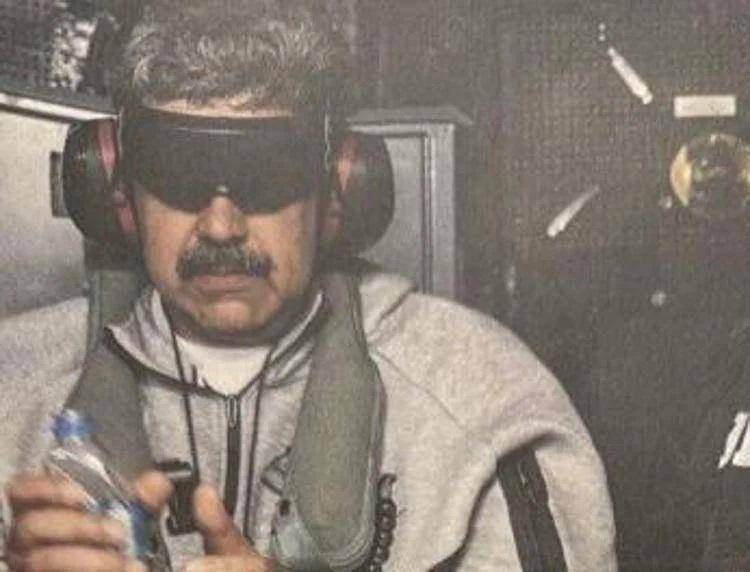
US Special Forces Soldier Arrested Over Maduro Operation Insider Trading Scheme
24 Aprile 2026
Federal prosecutors say the servicemember used classified intelligence tied to “Operation Absolute Resolve” to place high-stakes bets on Polymarket, netting...
Read More
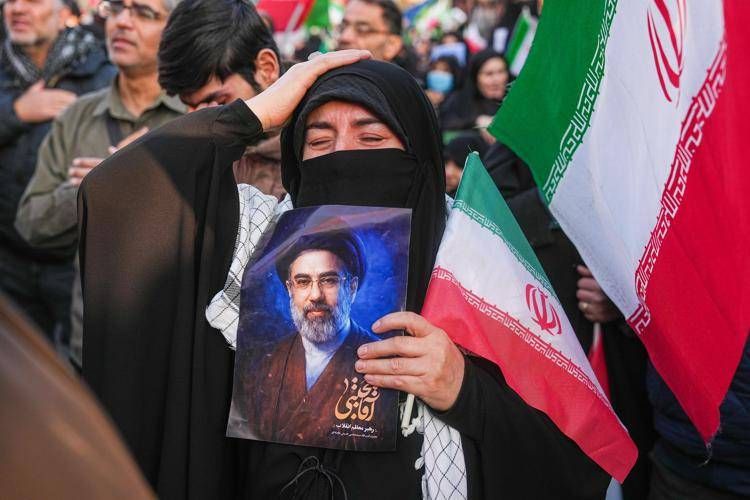
Mojtaba Khamenei seriously injured in Israeli strike on residence compound
23 Aprile 2026
The Supreme Leader’s son, Mojtaba Khamenei, sustained severe injuries in an Israeli attack on his residential complex on February 28,...
Read More
Kratom boom raises alarm as poison center cases surge in the US
23 Aprile 2026
Study finds 65-fold increase in exposures and growing number of severe medical outcomes linked to plant-based psychoactive substance A plant-derived...
Read More
Jet fuel crisis forces flight cuts as summer travel nears
22 Aprile 2026
Lufthansa cancels 20,000 short-haul flights, while Ryanair warns of rising costs and market instability A growing jet fuel crisis is...
Read More
(Photo: © AndKronos)