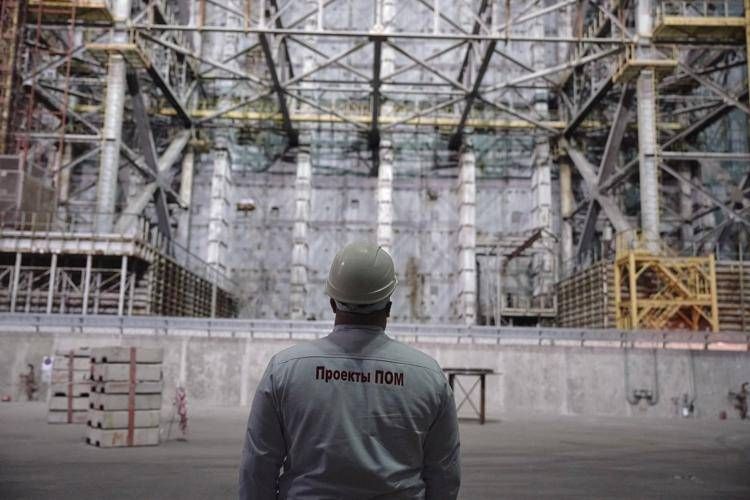
The 1986 reactor explosion remains the worst nuclear accident in history, while the site continues to face modern security risks...
Read More
International-News
Gas, Moldova at risk without Russian supplies. Slovakia threatens Ukraine
The energy conflict between Moscow, Kiev, and neighbouring countries intensifies, with Moldova grappling with the suspension of supplies from Gazprom and Slovakia ready for retaliatory measures against Ukraine
The conflict between Moscow and Kiev has taken a new turn with the escalation of the gas war also involving other countries. After Slovakia’s recent threats of retaliation against Ukraine if it cuts off the flow of Russian gas to the country, today comes news that directly affects Moldova. Gazprom announced a halt to gas supplies to the country as of 1 January, citing contractual violations and Chisinau’s refusal to renegotiate its accumulated debt.
Since 2022, Gazprom had reduced gas supplies to Moldova by 30%, redirecting the flow to Transnistria, while the country had to buy gas from other European suppliers. With today’s announcement, Moldova risks finding itself without Russian gas, with the possibility of buying it at higher prices from Romania in the event of an emergency. Moldova declared a state of emergency on 13 December in view of the closure of Ukrainian pipelines and the expected 30% increase in domestic gas costs.
Meanwhile, Transnistria, where the main source of income is the sale of electricity, is also under a state of emergency, while Gazprom had proposed to redirect gas through the TransBalkan pipeline, on condition that Chisinau would pay its debts in the amount of USD 700 million. However, with today’s announcement, this possibility now seems to be fading.
The situation between Ukraine and Slovakia also continues to give cause for concern. The Slovak Prime Minister, Robert Fico, has threatened to stop the supply of electricity to Ukraine if Russian gas to Slovakia is blocked, triggering a reaction from Kiev. The Ukrainian president, Volodymyr Zelensky, accused Fico of following Moscow’s orders, saying that threats to cut off electricity supplies put the Slovak people at risk and go against European interests.
In parallel, Ukraine received the first cargo of liquefied natural gas (LNG) purchased from the US, with the company Dtek receiving the cargo in Greece. This is an important step for Kiev, as the contract for the flow of Russian gas from Ukraine expires at the end of the year. US LNG purchases will continue until 2026, helping to diversify Ukraine’s energy supply sources at a time of growing energy crisis.
THE LATEST NEWS
Trump posts suspect image after Washington shooting arrest
26 Aprile 2026
President says attacker acted alone; FBI urges public to share information as investigation expands. Donald Trump shared on Truth Social...
Read More

US Special Forces Soldier Arrested Over Maduro Operation Insider Trading Scheme
24 Aprile 2026
Federal prosecutors say the servicemember used classified intelligence tied to “Operation Absolute Resolve” to place high-stakes bets on Polymarket, netting...
Read More

Mojtaba Khamenei seriously injured in Israeli strike on residence compound
23 Aprile 2026
The Supreme Leader’s son, Mojtaba Khamenei, sustained severe injuries in an Israeli attack on his residential complex on February 28,...
Read More

Kratom boom raises alarm as poison center cases surge in the US
23 Aprile 2026
Study finds 65-fold increase in exposures and growing number of severe medical outcomes linked to plant-based psychoactive substance A plant-derived...
Read More

Jet fuel crisis forces flight cuts as summer travel nears
22 Aprile 2026
Lufthansa cancels 20,000 short-haul flights, while Ryanair warns of rising costs and market instability A growing jet fuel crisis is...
Read More
(Photo: © AndKronos)