The 1986 reactor explosion remains the worst nuclear accident in history, while the site continues to face modern security risks...
Read More
International-News
Humanitarian crisis in Sudan: a country devastated by civil war
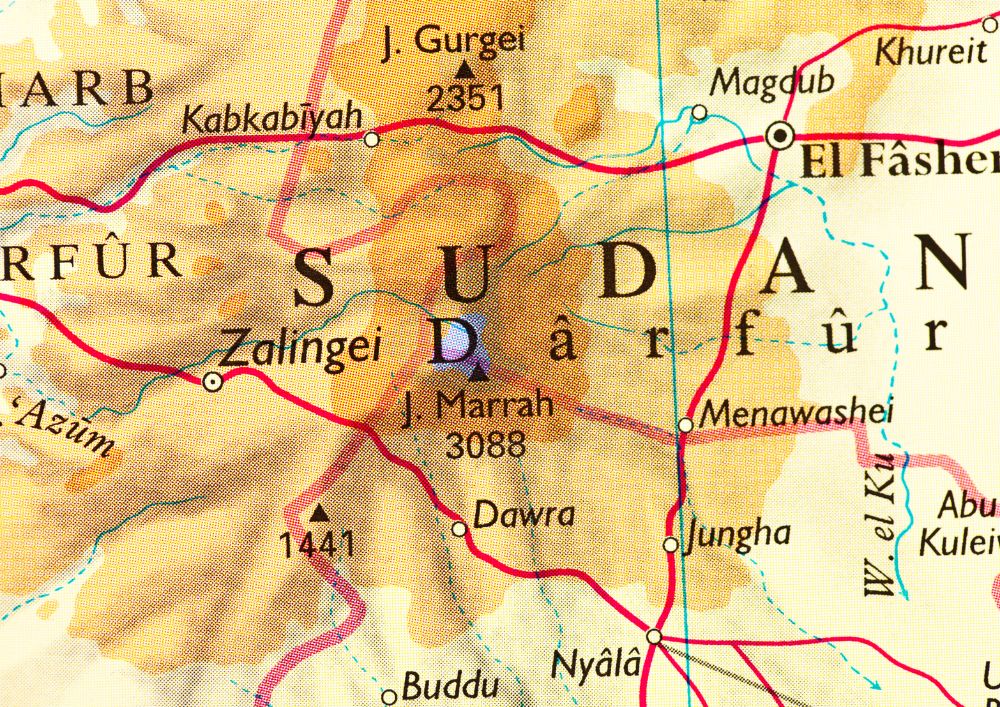
Humanitarian crisis in Sudan: a conflict that is destroying a country. A country torn apart by the humanitarian crisis in Sudan
The humanitarian crisis in Sudan has been ongoing for two years now, since the beginning of 2023, dragging the country into a vortex of violence, hunger and destruction. The civil war between the regular army, General Abdel Fattah al-Burhan’s SAF, and the RSF militias led by Mohamed Hamdan Dagalo, has turned Sudan into a single front line, with no protection for civilians.
The struggle for power following the fall of dictator Omar al-Bashir has degenerated into a spiral of atrocities: indiscriminate attacks, torture and summary executions. To make matters worse, the parties’ interest in the country’s wealth — especially gold and oil — fuels rivalry and foreign interference.
Hunger, violence and displacemnt: the population at breaking point
The humanitarian crisis in Sudan has reached catastrophic proportions. Infrastructure has been destroyed, food is not arriving and medical care is almost non-existent. According to UN estimates, at least 24 million people are at risk of starvation, while just as many are surviving without essential services.
Violence prevents aid from getting through: humanitarian convoys are attacked, looted and often destroyed, discouraging aid workers from attempting new missions. At least 130 humanitarian workers have been killed since the start of the conflict.
There are around 11 million internally displaced persons, while over a million Sudanese have crossed the border in search of refuge. But even in refugee camps, life is far from safe: overcrowding, hunger, lack of medicine and violence — especially against women and children — are commonplace.
A future denied to an entire generation
One of the most devastating consequences of the humanitarian crisis in Sudan is the loss of education for thousands of children. Schools are closed or destroyed, teachers have fled, and the war has made any form of education impossible. An entire generation is at risk of growing up illiterate, unprotected and without prospects.
In the few better-organised camps, such as those in Daba Naira and Tawila Umda, at least minimal assistance is guaranteed. But in most cases, refugees survive in makeshift tents, eating perhaps once a day.
Ferdinando Pelliccia
THE LATEST NEWS
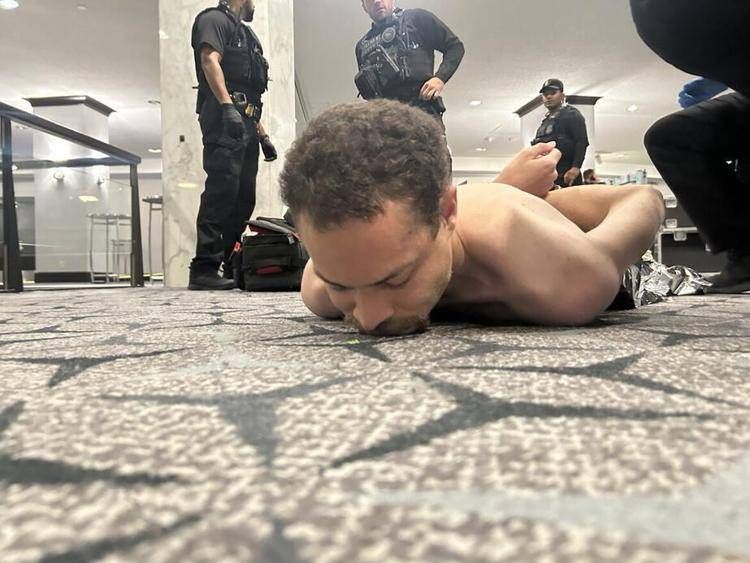
Trump posts suspect image after Washington shooting arrest
26 Aprile 2026
President says attacker acted alone; FBI urges public to share information as investigation expands. Donald Trump shared on Truth Social...
Read More
US Special Forces Soldier Arrested Over Maduro Operation Insider Trading Scheme
24 Aprile 2026
Federal prosecutors say the servicemember used classified intelligence tied to “Operation Absolute Resolve” to place high-stakes bets on Polymarket, netting...
Read More

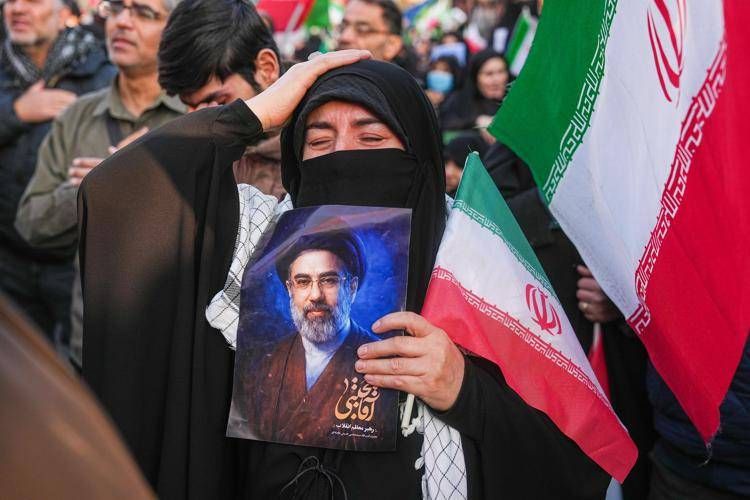
Mojtaba Khamenei seriously injured in Israeli strike on residence compound
23 Aprile 2026
The Supreme Leader’s son, Mojtaba Khamenei, sustained severe injuries in an Israeli attack on his residential complex on February 28,...
Read More
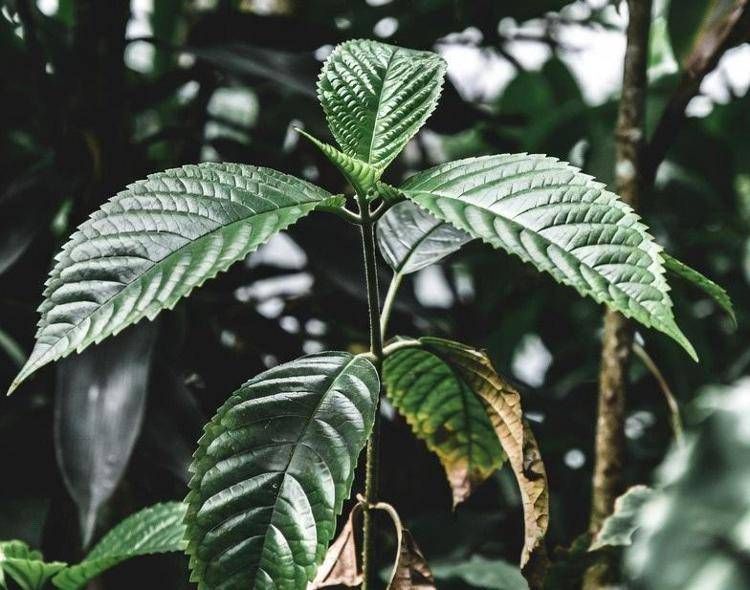
Kratom boom raises alarm as poison center cases surge in the US
23 Aprile 2026
Study finds 65-fold increase in exposures and growing number of severe medical outcomes linked to plant-based psychoactive substance A plant-derived...
Read More
Jet fuel crisis forces flight cuts as summer travel nears
22 Aprile 2026
Lufthansa cancels 20,000 short-haul flights, while Ryanair warns of rising costs and market instability A growing jet fuel crisis is...
Read More