Opposition leader says her return is tied to a US-backed transition plan aimed at political change and reconstruction by 2026...
Read More
International-News
Greenland elections: independence and US pressure mark the vote
📰 LiberoReporter su Google News
Segui tutte le notizie senza perderne una
SEGUI ORA →
Segui tutte le notizie senza perderne una
Greenland on the ballot to elect a new parliament, with independence and US aims at the centre of the debate
Greenland goes to the polls today to elect a new parliament, a vote that could have significant consequences not only for local politics, but also for international relations. With around 41,000 voters called to choose the 31 members of the local parliament, the geopolitical context around the Arctic island plays a central role in voters’ choices.
Trump’s shadow on the Greenlandic elections
US President Donald Trump’s statements reiterating his desire to take control of Greenland are conditioning the election campaign. Trump, in a recent post on Truth, stated that the US is ready to invest billions of dollars in the island and welcome it ‘to the greatest nation in the world’. These statements follow the proposal made during his first term, when the president tried to officially buy the island from Denmark, but met with a firm refusal.
The island, considered strategic because of its natural resources and its location in the Arctic, has long been the focus of US ambitions. The Pituffik space base in north-west Greenland has been a crucial outpost for the United States since 1950.
Copenhagen and Nuuk’s response
Trump’s statements continue to raise concerns in both Copenhagen and Nuuk. Danish Prime Minister Mette Frederiksen had already firmly rejected the 2019 offer, calling the proposal ‘absurd’ and reiterating that Greenland ‘is not for sale’. The then Greenland Prime Minister, Kim Kielsen, also rejected the idea, emphasising the island’s intention to pursue its own autonomy, all the way to independence.
The current Greenlandic premier, Mute Egede, expressed concern about Trump’s insistence, saying that the US president’s unpredictability is affecting global scenarios and reducing the island’s interest in the US.
Favourites and new faces at the polls
Mute Egede, leader of the left-wing independence coalition Inuit Ataqatigiit, is favoured for reappointment, although polls indicate a decline in support, with his party predicted at 31%. Government ally Siumut follows at 22%, while opposition parties, including Naleraq, gain ground. Naleraq, a populist and independentist, has an ambiguous position: on the one hand he supports greater autonomy from Denmark, on the other hand he favours closer ties with Washington.
Among the emerging candidates is also influencer Qupanuk Olsen, known for her YouTube channel ‘Q’s Greenland’, who brings her voice to the political debate on independence and international ties.
Independence and natural resources: the central debate
The question of independence is back at the centre of the political debate. Greenland already voted for self-government in 2009, but remains heavily dependent on Denmark, which finances more than half of the island’s budget. Many Greenlanders desire greater autonomy and, one day, complete independence. However, the island’s economic future depends on the exploitation of its natural resources, such as rare earths and potential oil fields, which are still largely unexplored.
The knot of foreign investment and sustainability
The main challenge for independence movements is to find foreign investments that will allow the resources to be developed without compromising environmental sustainability. Greenland, inhabited by about 56,000 people, mostly Inuit, has a strong connection to nature, and many citizens fear that excessive industrialisation will damage the island’s fragile ecosystem.
THE LATEST NEWS
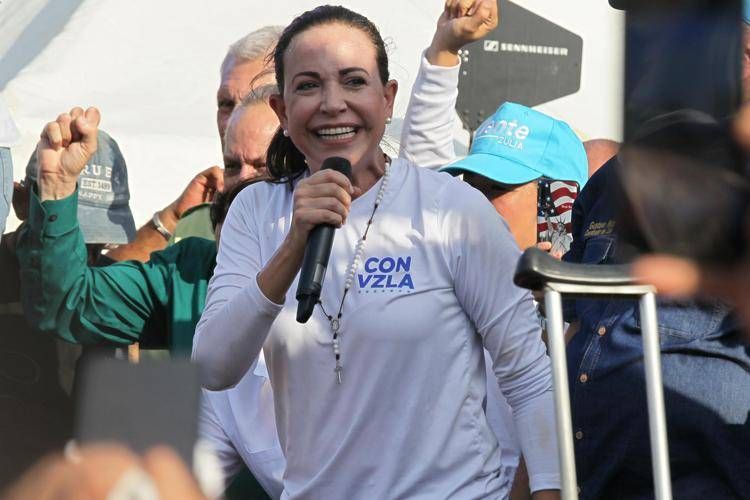
Secret Service shoots man near White House after gunfire
24 Maggio 2026
21-year-old opened fire at checkpoint; bystander wounded, no agents injured A man was shot and killed by Secret Service agents...
Read More

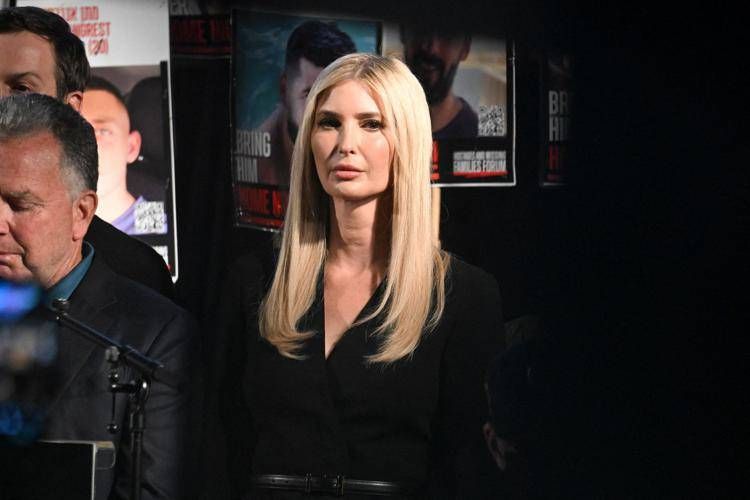
Iran-trained suspect plotted to kill Ivanka Trump, US says
23 Maggio 2026
Arrested Iraqi national allegedly mapped her Florida home and tied threats to Soleimani killing An Iraqi national allegedly trained by...
Read More
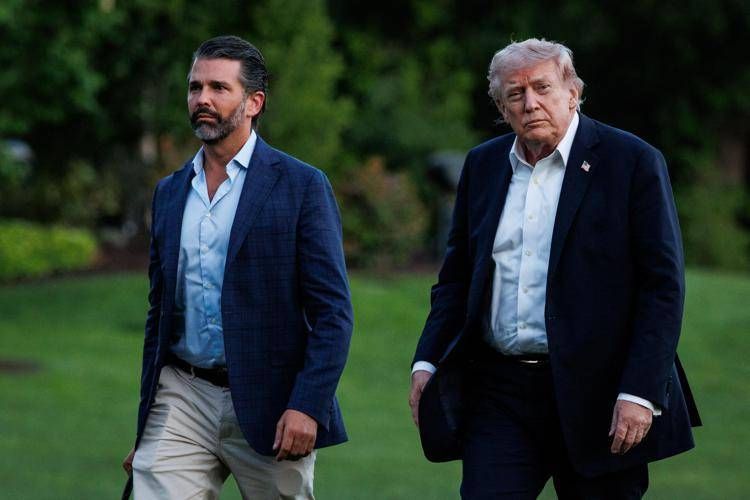
Trump Skips Son’s Bahamas Wedding Over White House Duties
22 Maggio 2026
The U.S. president says official responsibilities will keep him in Washington during Donald Trump Jr.’s weekend ceremony Trump declines to...
Read More
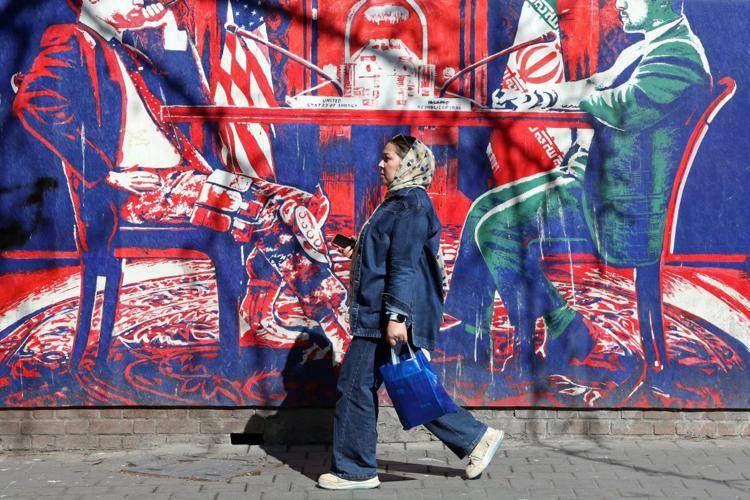
U.S.-Iran Ceasefire Draft Framework Emerges in Pakistan-Mediated Talks, Report Says
22 Maggio 2026
A reported draft outline for a potential agreement between Iran and the United States includes an immediate and unconditional ceasefire,...
Read More
Trump says Iran strike was “one hour away” as U.S. sets deadline for talks
19 Maggio 2026
The U.S. president signals a narrow diplomatic window for Tehran while warning that a large-scale attack remains possible if negotiations...
Read More
(Photo: © AndKronos)