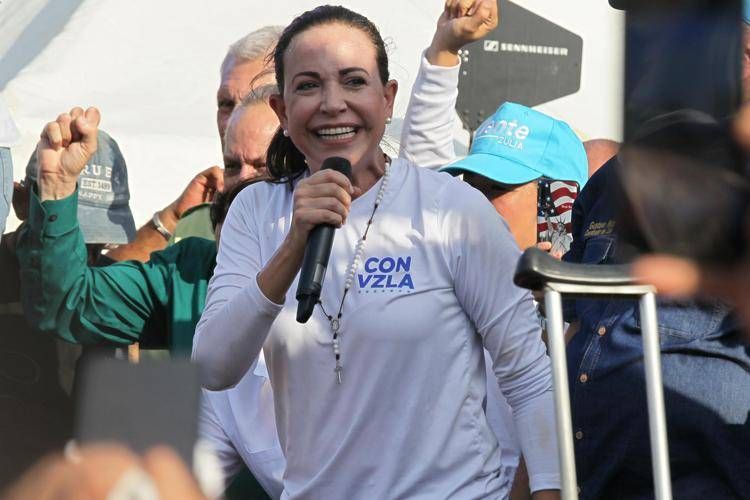
Opposition leader says her return is tied to a US-backed transition plan aimed at political change and reconstruction by 2026...
Read More
International-News
China warns US on duties: ‘Don’t treat others if you’re sick’

📰 LiberoReporter su Google News
Segui tutte le notizie senza perderne una
SEGUI ORA →
Segui tutte le notizie senza perderne una
Ambassador Xie Feng evokes the Smoot-Hawley Act of 1930. Tension also rises with Japan and South Korea
In the midst of the trade escalation between the US and China, Chinese Ambassador to Washington Xie Feng issued a warning against US protectionism, comparing the current context to the crisis of the 1930s. ‘The lesson of the Smoot-Hawley Act is still relevant today,’ he said, referring to the 1930 law that raised tariffs and aggravated the Great Depression.
During an event dedicated to traditional Chinese medicine, Xie used clinical metaphors to criticise US economic policies: ‘You should not prescribe medicine to others when you are sick’. The ambassador condemned the ‘militarisation of economic interdependence’, warning that tariff walls ‘hamper trade, disrupt supply chains and damage global growth’.
The reference is direct to the new tariffs imposed by President Donald Trump: total tariffs of 145% on Chinese imports, with an effective rate of around 156%. China responded with tariffs of up to 125%. Despite the tightening, Trump left the door open for dialogue: ‘I think we will reach a very good agreement with China,’ he said.
The tariff war has also generated friction with other Asian partners. Japanese Premier Shigeru Ishiba urged Washington to distinguish between security and trade, criticising the idea of subordinating military agreements to economic disputes. While suspending new tariffs of 24% for 45 days, other tariffs on steel, aluminium and Japanese vehicles remain in place. Ishiba defended the 1960 US-Japan security agreement in Parliament, rejecting Trump’s criticism of the alleged lack of reciprocity.
Meanwhile, South Korea is also moving: Trade Minister Ahn Duk Geun and Finance Minister Choi Sang Mok will be in Washington on Thursday and Friday to negotiate on the 25% tariffs announced by Trump in early April. Acting President Han Duck Soo has declared that Seoul will not take retaliatory measures, recalling the historical link with the US and the support it received after the Korean War.
The risk, according to many observers, is that the spiral of duties and counter-duties could weaken the global economy and deteriorate the strategic relationship between Washington and its main Asian allies.
THE LATEST NEWS
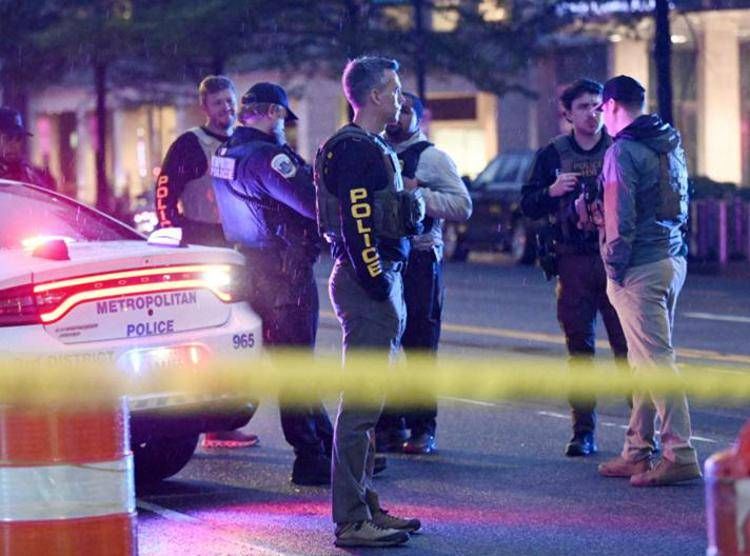
Secret Service shoots man near White House after gunfire
24 Maggio 2026
21-year-old opened fire at checkpoint; bystander wounded, no agents injured A man was shot and killed by Secret Service agents...
Read More
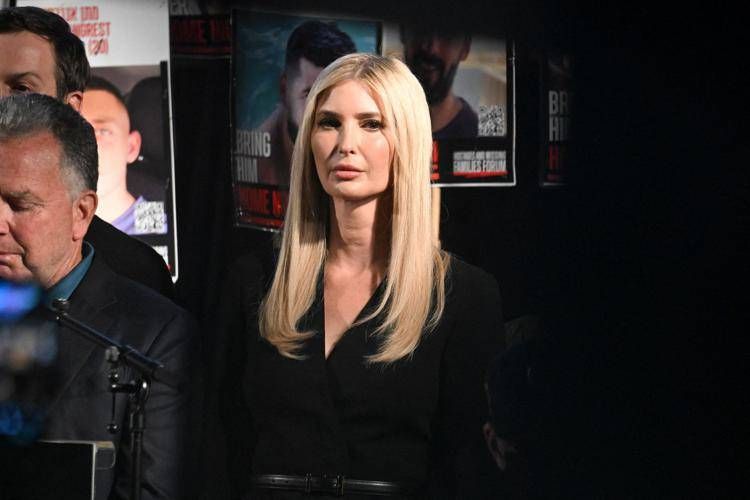
Iran-trained suspect plotted to kill Ivanka Trump, US says
23 Maggio 2026
Arrested Iraqi national allegedly mapped her Florida home and tied threats to Soleimani killing An Iraqi national allegedly trained by...
Read More
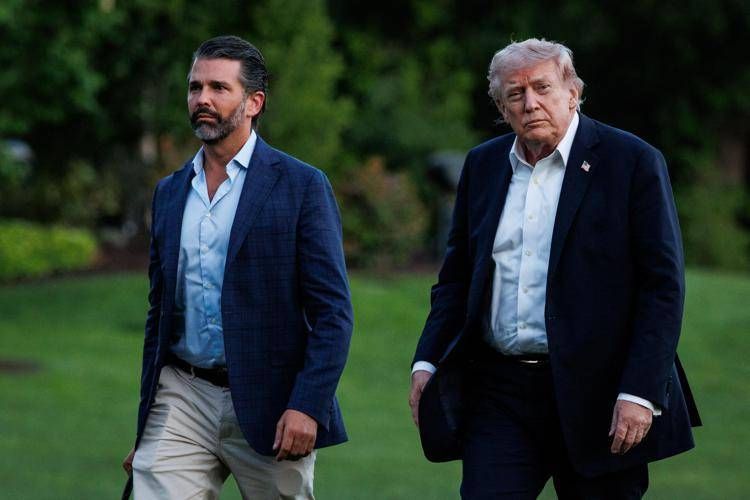
Trump Skips Son’s Bahamas Wedding Over White House Duties
22 Maggio 2026
The U.S. president says official responsibilities will keep him in Washington during Donald Trump Jr.’s weekend ceremony Trump declines to...
Read More
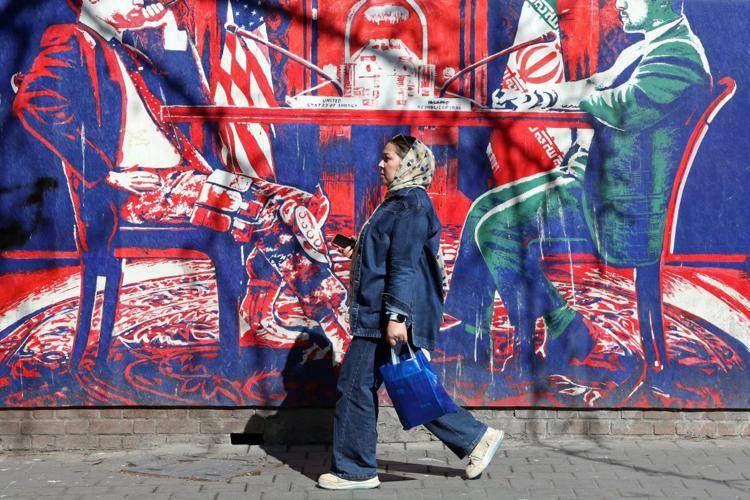
U.S.-Iran Ceasefire Draft Framework Emerges in Pakistan-Mediated Talks, Report Says
22 Maggio 2026
A reported draft outline for a potential agreement between Iran and the United States includes an immediate and unconditional ceasefire,...
Read More
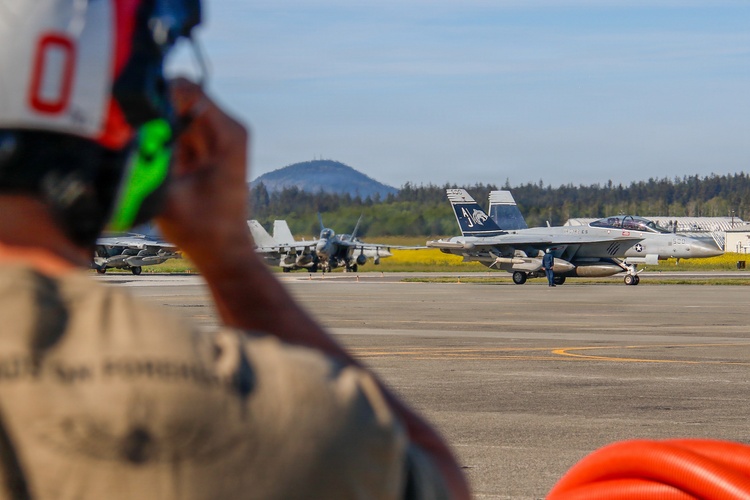
Trump says Iran strike was “one hour away” as U.S. sets deadline for talks
19 Maggio 2026
The U.S. president signals a narrow diplomatic window for Tehran while warning that a large-scale attack remains possible if negotiations...
Read More
(Photo: © AndKronos)