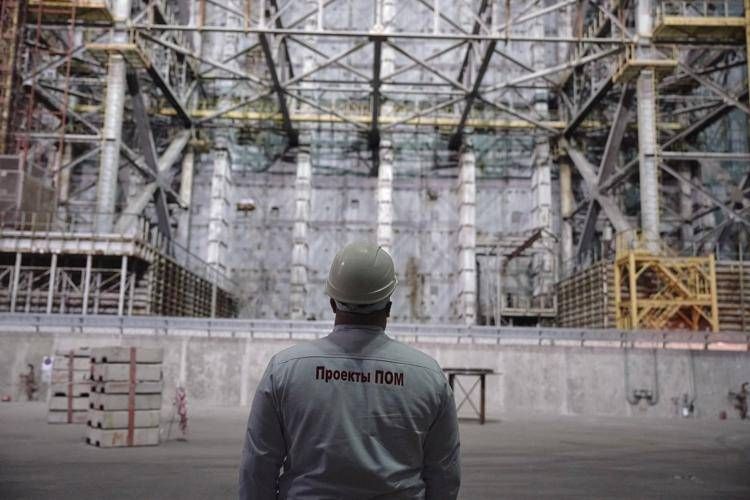
The 1986 reactor explosion remains the worst nuclear accident in history, while the site continues to face modern security risks...
Read More
International-News
Israel suspends aid to Gaza and closes crossings: crisis after Hamas refusal

The decision comes in the wake of Hamas’ refusal to accept U.S. proposals. Israel insists on release of hostages before halting hostilities
Israel has decided to suspend the entry of humanitarian aid into the Gaza Strip and close access crossings. The measure was announced via a press release by Prime Minister Benjamin Netanyahu’s office and drew immediate international reactions. This decision is the result of a disagreement between the Jewish state and Hamas, which rejected proposals made by U.S. Special Envoy Steve Witkoff.
The Israeli decision and the hostage issue
The measure was taken during a late-night meeting between Saturday and Sunday, coordinated with the United States. The initial agreement between the two sides, which aimed at a temporary cease-fire and the release of hostages, did not include the changes later suggested by Witkoff. In fact, Hamas is trying to keep in place the initial agreement, which calls for a broader ceasefire and an end to the Israeli occupation of the Gaza Strip. On the other hand, Israel, in order to secure the release of the hostages, insists on the completion of the proposed steps, calling into question the implementation of the original agreement.
Israel insists on release of hostages before cessation of hostilities
In the statement released by the Israeli government, it is stressed that the country will not allow a cessation of hostilities without a concrete commitment to the release of all hostages. The words are clear: “If Hamas continues to reject the proposed agreement, there will be further consequences.” This stance indicates that Israel is unwilling to stop the conflict until its goals are met, chief among them the release of its captured citizens.
The implications of the suspension of humanitarian aid
The closure of the crossings and the suspension of humanitarian aid will have a significant impact on the civilian population of Gaza, already severely tested by the ongoing war. International aid, including food, medicine and relief materials, will no longer reach their destination, further endangering the living conditions of Palestinians. Against this backdrop, the international community is closely monitoring developments, hoping that diplomatic pressure can bring both sides back to the negotiating table.
THE LATEST NEWS
Trump posts suspect image after Washington shooting arrest
26 Aprile 2026
President says attacker acted alone; FBI urges public to share information as investigation expands. Donald Trump shared on Truth Social...
Read More

US Special Forces Soldier Arrested Over Maduro Operation Insider Trading Scheme
24 Aprile 2026
Federal prosecutors say the servicemember used classified intelligence tied to “Operation Absolute Resolve” to place high-stakes bets on Polymarket, netting...
Read More

Mojtaba Khamenei seriously injured in Israeli strike on residence compound
23 Aprile 2026
The Supreme Leader’s son, Mojtaba Khamenei, sustained severe injuries in an Israeli attack on his residential complex on February 28,...
Read More
Kratom boom raises alarm as poison center cases surge in the US
23 Aprile 2026
Study finds 65-fold increase in exposures and growing number of severe medical outcomes linked to plant-based psychoactive substance A plant-derived...
Read More

Jet fuel crisis forces flight cuts as summer travel nears
22 Aprile 2026
Lufthansa cancels 20,000 short-haul flights, while Ryanair warns of rising costs and market instability A growing jet fuel crisis is...
Read More
(Photo: © AndKronos)