Negotiations continue over location and conditions as diplomatic framework advances between Washington and Tehran Lake Geneva is being considered as...
Read More
International-News
Iran-Russia Nuclear Cooperation: Sensitive Technologies Under Scrutiny
Iranian scientists reportedly visited Russia in secret to acquire dual-use nuclear technologies with potential military applications
The Iran-Russia nuclear cooperation has come under renewed scrutiny after reports of a secret visit by Iranian scientists to Russia last year. According to the Financial Times, the mission aimed to obtain “dual-use” technologies, suitable for both civilian and military applications, and was part of a broader series of exchanges between Russian military research institutes and Iran’s Organisation for Defensive Innovation and Research (SPND), a body linked to the Iranian military.
Documents and travel records obtained by the newspaper show that between 7 and 11 November, Iranian specialists in laser technologies visited Saint Petersburg using diplomatic passports issued consecutively by the Iranian Foreign Ministry. During their visit, they met researchers from the Russian company Laser Systems, which is under US sanctions and involved in both civil and military technological development.
Jim Lamson, a researcher at the James Martin Center for Non-Proliferation and former CIA analyst, noted that the Iranians were seeking “laser technology and expertise capable of validating a nuclear weapon design without conducting an explosive test.” Records examined by the Financial Times indicate that the visitors were physicists and engineers from Iranian universities affiliated with the defence sector, including Shahid Beheshti, Azad, Kashan, and Malek Ashtar University, all under US and EU sanctions.
Laser Systems confirms on its website that it is authorised by the FSB to handle classified state materials and holds permits to develop armaments under supervision of the Russian Ministry of Defence. DamavandTec, the Iranian cover company, has previously attempted to acquire highly controlled radioactive isotopes, including tritium, which can enhance the yield of nuclear warheads.
The episode raises serious questions about the scope of Iran-Russia nuclear cooperation, especially amid global concerns over proliferation and Tehran’s access to dual-use technologies.
THE LATEST NEWS
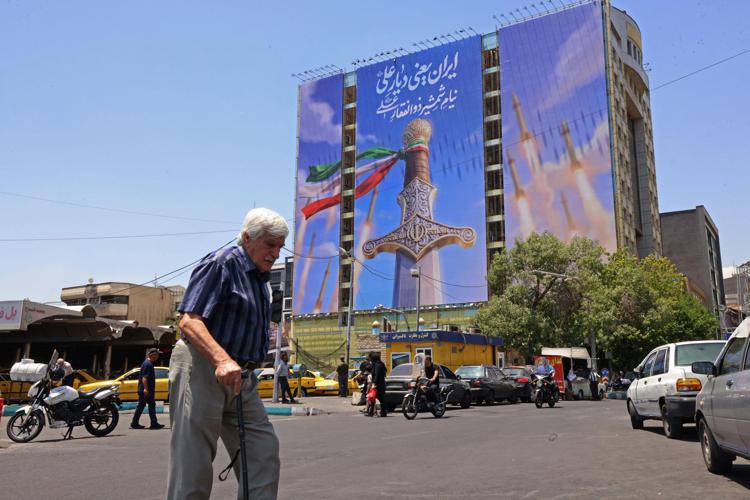
Trump Claims US–Iran Deal Reached as Markets React With Caution
11 Giugno 2026
The US president announces on Truth Social that strikes against Iran have been cancelled after an alleged agreement involving multiple...
Read More
Trump Signals Continued Military Pressure on Iran Amid Fragile Negotiations Over Nuclear Deal and Oil Assets
11 Giugno 2026
U.S. President Donald Trump reiterates threats of sustained strikes and strategic pressure on Iran while diplomatic channels remain open over...
Read More

Bill Gates Testifies in Jeffrey Epstein Inquiry, Denies Knowledge of Crimes
10 Giugno 2026
Bill Gates told the U.S. House Oversight Committee he had no awareness of Jeffrey Epstein’s criminal activity and called their...
Read More
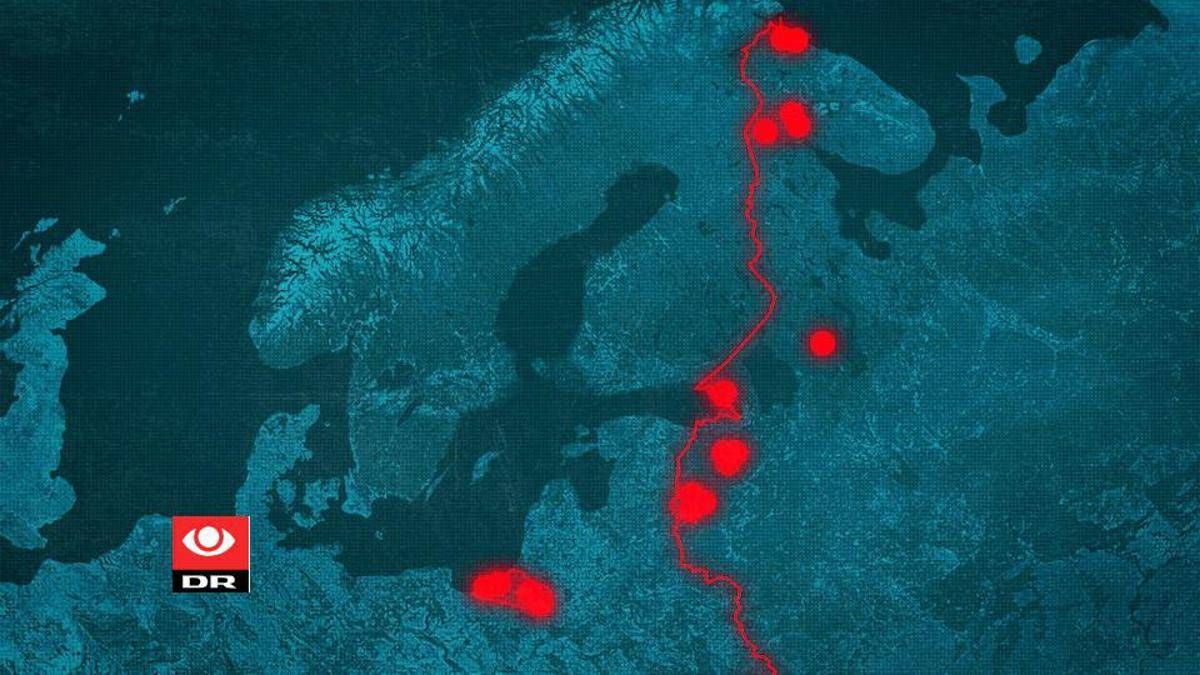
Russia prepares for possible NATO conflict in Northern Europe
10 Giugno 2026
A joint Nordic investigation points to a structural military buildup along Russia’s northern frontier, with a potential one-to-three-year window of...
Read More
Telegraph changes its stance on Sicily after controversy
9 Giugno 2026
From coverage of Dua Lipa’s wedding at Villa Valguarnera, with references to the mafia, to a study naming the island...
Read More

(Photo: © AndKronos) Iran-Russia Nuclear Cooperation