Classified briefings to Congress outline a resilient missile capability despite White House claims “The Iran is wiped out.” That is...
Read More
International-News
Iran-Russia Nuclear Cooperation: Sensitive Technologies Under Scrutiny
📰 LiberoReporter su Google News
Segui tutte le notizie senza perderne una
SEGUI ORA →
Segui tutte le notizie senza perderne una
Iranian scientists reportedly visited Russia in secret to acquire dual-use nuclear technologies with potential military applications
The Iran-Russia nuclear cooperation has come under renewed scrutiny after reports of a secret visit by Iranian scientists to Russia last year. According to the Financial Times, the mission aimed to obtain “dual-use” technologies, suitable for both civilian and military applications, and was part of a broader series of exchanges between Russian military research institutes and Iran’s Organisation for Defensive Innovation and Research (SPND), a body linked to the Iranian military.
Documents and travel records obtained by the newspaper show that between 7 and 11 November, Iranian specialists in laser technologies visited Saint Petersburg using diplomatic passports issued consecutively by the Iranian Foreign Ministry. During their visit, they met researchers from the Russian company Laser Systems, which is under US sanctions and involved in both civil and military technological development.
Jim Lamson, a researcher at the James Martin Center for Non-Proliferation and former CIA analyst, noted that the Iranians were seeking “laser technology and expertise capable of validating a nuclear weapon design without conducting an explosive test.” Records examined by the Financial Times indicate that the visitors were physicists and engineers from Iranian universities affiliated with the defence sector, including Shahid Beheshti, Azad, Kashan, and Malek Ashtar University, all under US and EU sanctions.
Laser Systems confirms on its website that it is authorised by the FSB to handle classified state materials and holds permits to develop armaments under supervision of the Russian Ministry of Defence. DamavandTec, the Iranian cover company, has previously attempted to acquire highly controlled radioactive isotopes, including tritium, which can enhance the yield of nuclear warheads.
The episode raises serious questions about the scope of Iran-Russia nuclear cooperation, especially amid global concerns over proliferation and Tehran’s access to dual-use technologies.
THE LATEST NEWS

Iran still a threat despite Trump claims, intelligence says
13 Maggio 2026
U.S. intelligence assessments contradict the president’s narrative of a weakened Tehran. “The Iran has been obliterated,” Donald Trump has said...
Read More
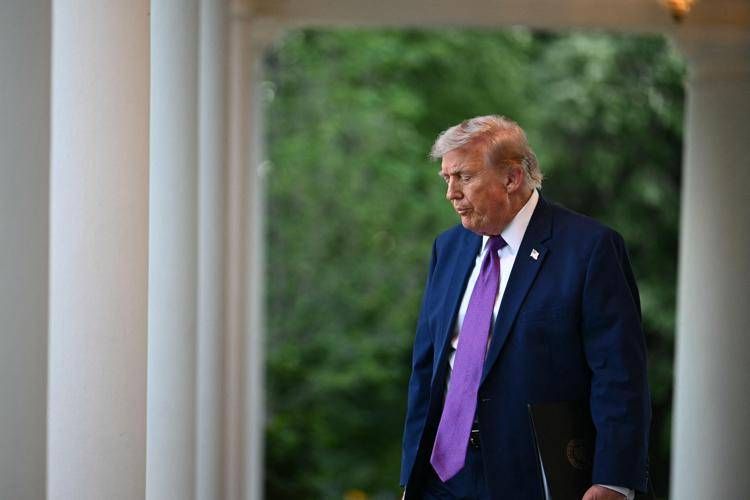
U.S. jet strikes Iranian oil tankers in the Gulf of Oman
8 Maggio 2026
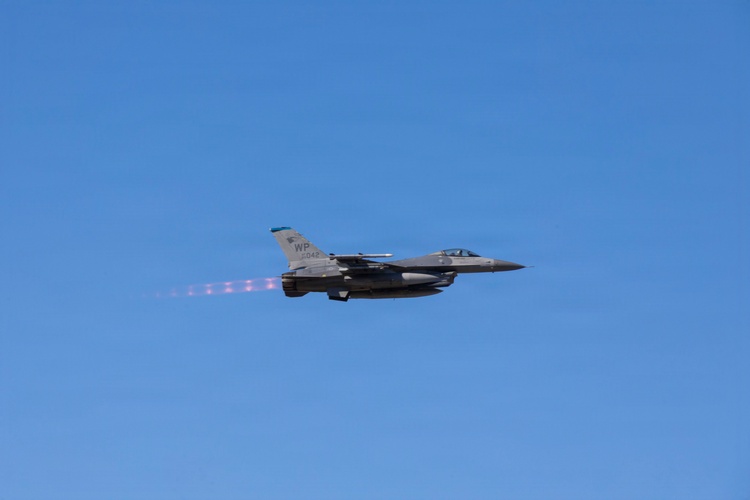
Military action targets vessels accused of breaching a naval blockade before reaching Iranian ports U.S. jet strikes Iranian oil tankers...
Read More
Ryanair CEO calls for airport alcohol ban before morning flights
6 Maggio 2026
Michael O’Leary urges restrictions after surge in disruptive passengers, citing daily diversions linked to alcohol abuse Ryanair CEO calls for...
Read More

Iran strikes US bases expose wider damage than reported
6 Maggio 2026
A Washington Post analysis based on satellite imagery challenges Trump’s claims and details extensive strikes across US installations in the...
Read More
US–Iran preliminary memorandum to end war nears agreement
6 Maggio 2026
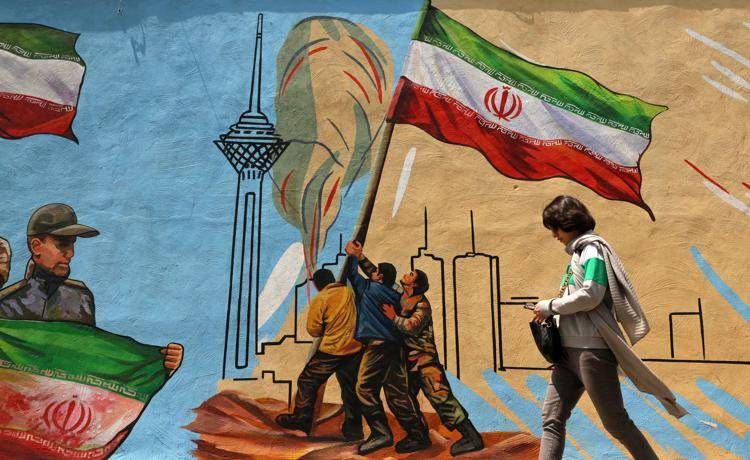
A 14-point draft outlines a ceasefire framework and 30-day talks on Iran’s nuclear program, sanctions relief, and maritime security The...
Read More
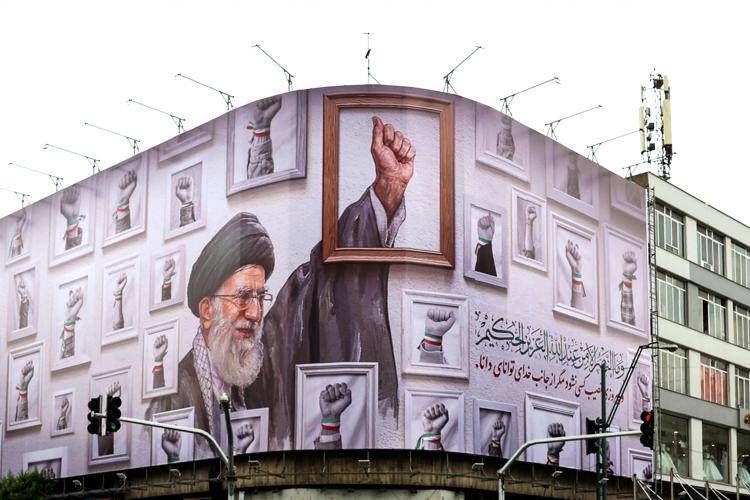
(Photo: © AndKronos) Iran-Russia Nuclear Cooperation