

The head of Venezuela’s National Assembly announces the imminent release of “a significant number” of detainees, including foreign nationals, as...
Read More
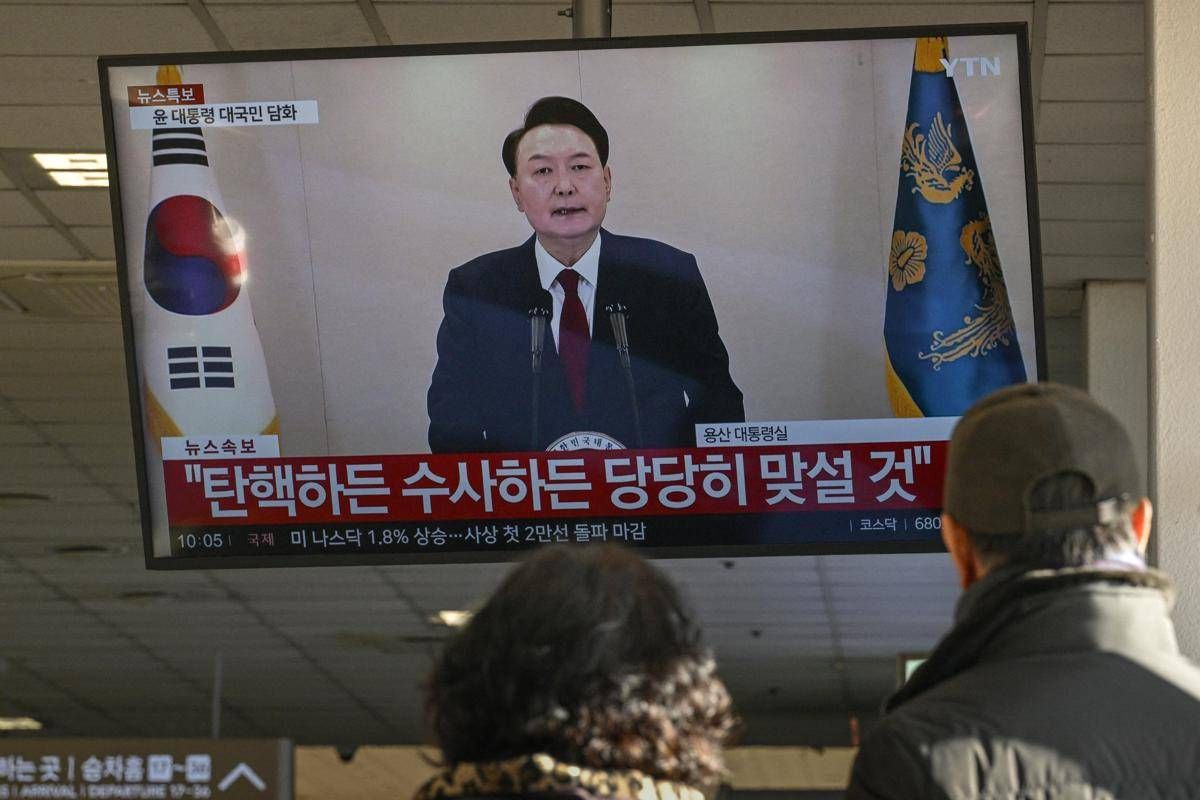
Yoon Suk Yeol: ‘I will not resign’, martial law was against ‘parliamentary dictatorship’
-
Overnight explosions in Caracas hit military area, widespread power outages reported VIDEO
-


Attacco Usa in Nigeria contro l’Isis, Trump: “Risposta al massacro di cristiani” VIDEO
-

Frana a Cormons: disperso un giovane e un’anziana sotto le macerie VIDEO
-
Tifone Fung-Wong colpisce le Filippine: un milione di evacuati VIDEO LIVE

South Korea’s president rejects accusations of insurrection and vows to fight to the end. Impeachment for Justice Minister and police chief
South Korea’s President Yoon Suk Yeol strenuously defended his decision to impose, and later withdraw, martial law, saying that the intention was to protect democracy from the risk of ‘collapse’ and to counter what he called a ‘parliamentary dictatorship’ of the opposition. In a surprise televised speech, Yoon reiterated that he does not intend to resign, despite the fact that the second vote in parliament for his impeachment is imminent: ‘I will not change my position, even if I am impeached or investigated’.
Accusations and searches at the presidential compound
While Yoon denied that the imposition of martial law was an act of insurrection, the South Korean authorities continued their investigation. Police conducted a new search of the presidential compound, collecting documents and information as part of the investigation into the insurrection.
Impeachment for the Minister of Justice and the police chief
Meanwhile, the National Assembly in Seoul approved impeachment motions for Justice Minister Park Sung Jae and Police Chief Cho Ji Ho, who are accused of supporting the implementation of martial law. Park became the first Justice Minister in South Korea’s constitutional history to be dismissed with 195 votes in favour and 100 against. Cho’s dismissal, on the other hand, saw 202 votes in favour and 88 against. Both officials were relieved of their duties pending the verdict of the Constitutional Court. Cho is also currently in hospital.
Investigations and charges against martial law supporters
Minister Park is accused of participating in cabinet meetings for the implementation of martial law and planning the detention of key figures in advance. The prosecution points out that the minister allegedly acted as if he did not recognise the authority of the National Assembly, aligning himself with President Yoon’s vision of arresting politicians. The police chief, Cho Ji Ho, is accused of abuse of power for blocking the entrance of National Assembly members, preventing them from calling for the lifting of martial law.
THE LATEST NEWS
Khamenei fears a fate similar to Maduro, Iran expert explains current risks
8 Gennaio 2026
Analyst warns the Iranian Supreme Leader prioritizes martyrdom over fleeing, despite U.S. threats Iran’s Supreme Leader, Ayatollah Ali Khamenei, is...
Read More

Macron criticizes U.S. approach to global alliances at Paris conference
8 Gennaio 2026
The French president warns against new forms of colonialism and urges strategic autonomy for Europe French President Emmanuel Macron has...
Read More

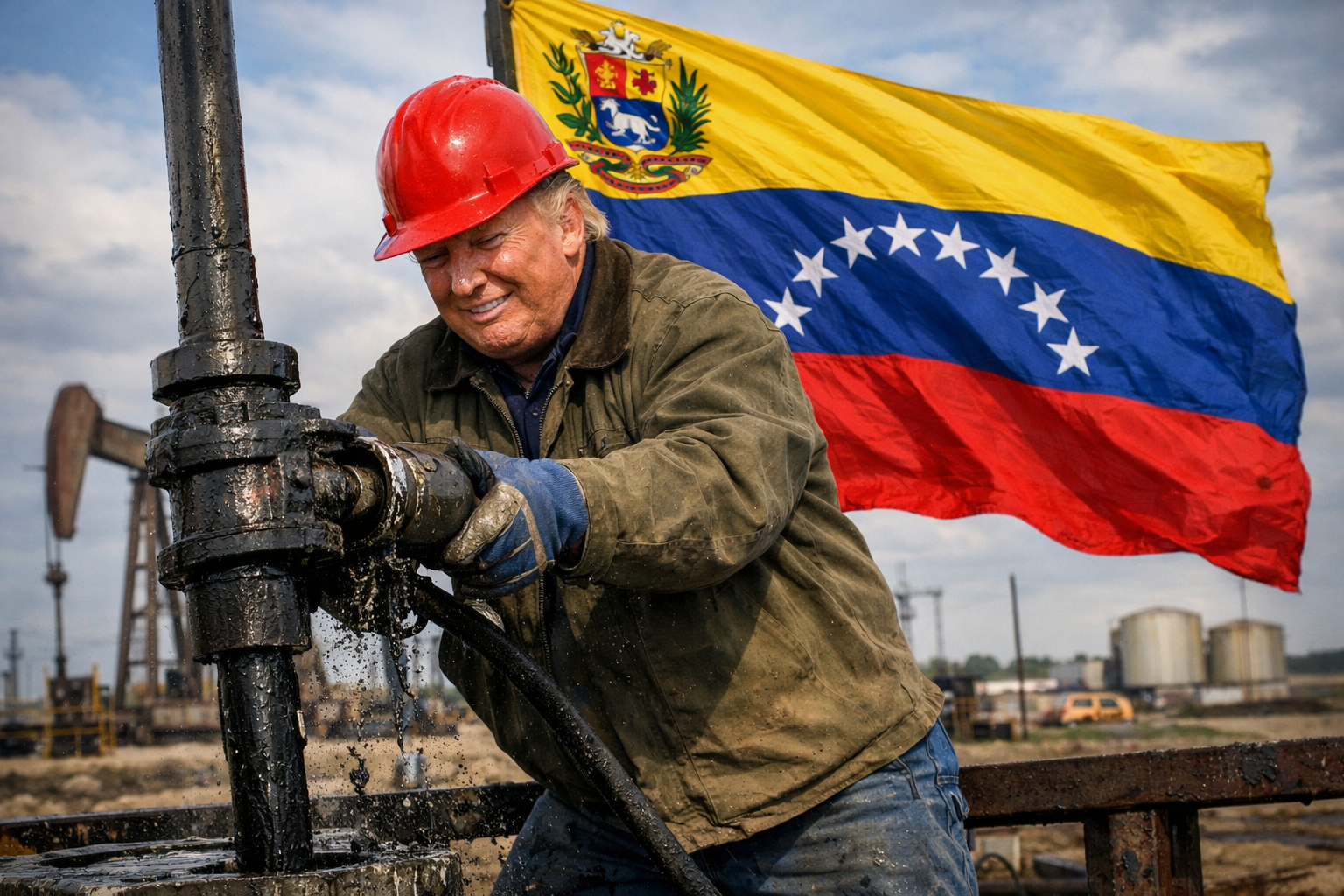
U.S. control over Venezuela could last for years, Trump says on policy
8 Gennaio 2026
In a wide-ranging interview, the president signals a prolonged U.S. role in Caracas, with energy recovery at the center of...
Read More
The seizure of the tanker Marinera raises tensions among major powers.
8 Gennaio 2026
A rusting vessel suspected of belonging to shadow fleets has triggered diplomatic friction between Moscow, Washington, and London The geopolitical...
Read More

A regime change for Iran remains a strategic option, analyst warns
8 Gennaio 2026
A Tehran-based analyst says Washington has never fully abandoned the idea, despite operational limits and geopolitical risks The view that...
Read More
(Photo: © AndKronos)
Condividi su:




-
 Primo Piano24 ore ago
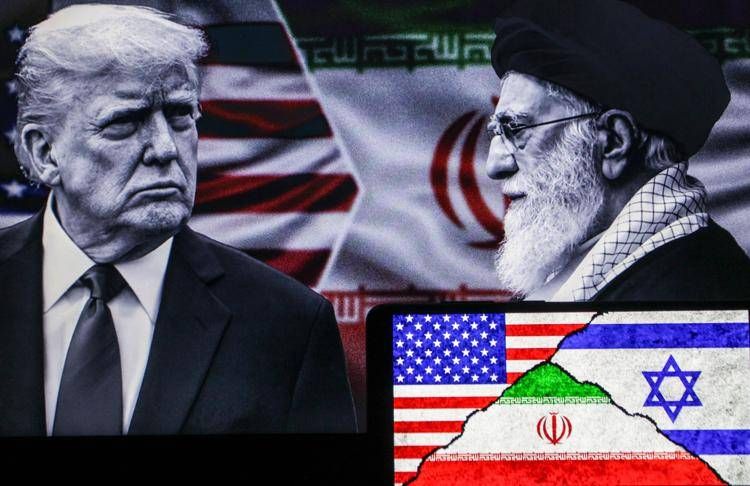
Cresce la tensione tra Iran e Stati Uniti: intensi movimenti di aerei militari Usa
-

 Meteo10 ore ago
Freddo in Italia: gelo record, ma da venerdì temperature in risalita
-
 World10 ore ago
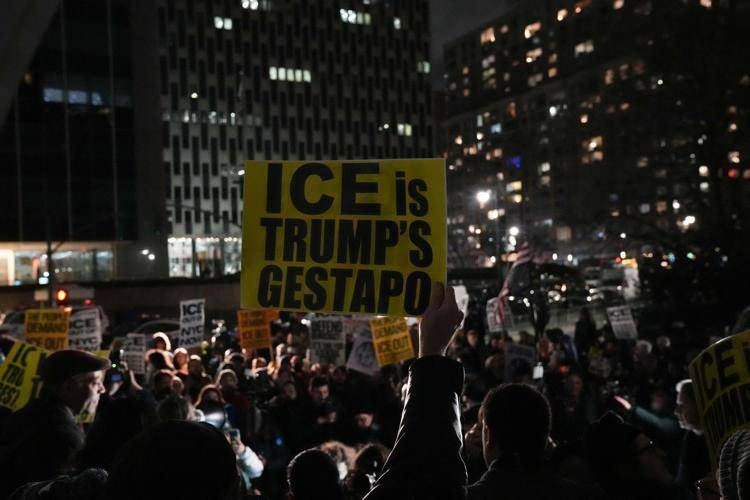
Proteste a Minneapolis dopo la morte di Renee Nicole Good, uccisa da un agente Ice
-
 In Evidenza8 ore ago
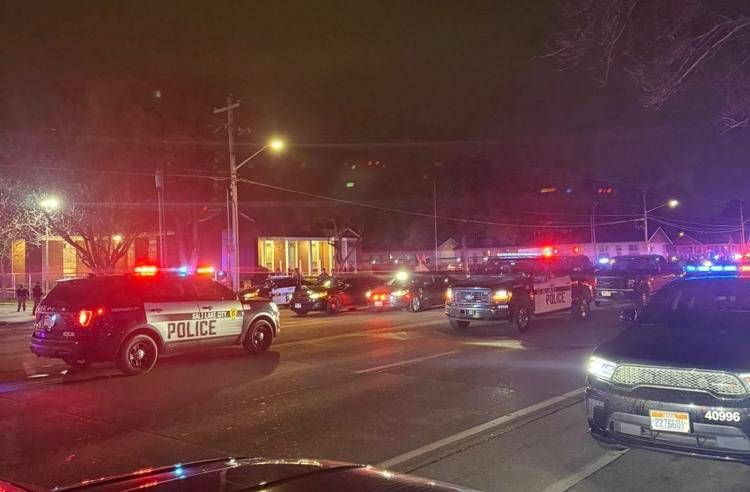
Sparatoria a Salt Lake City durante un funerale: due morti e almeno sei feriti