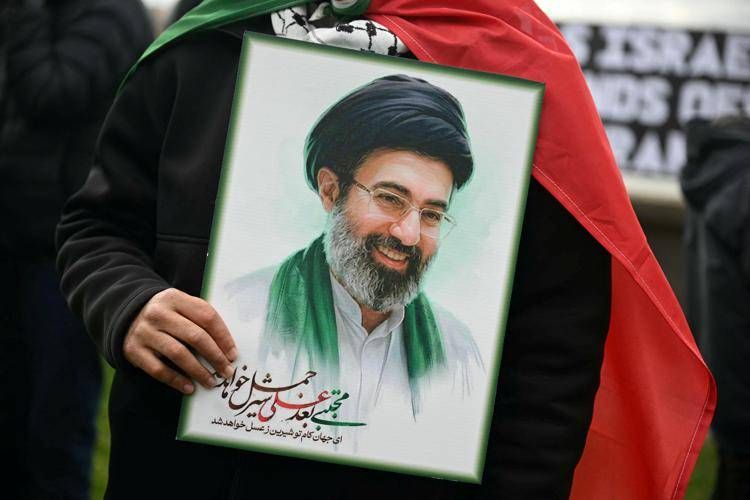
After 16 years in power, Viktor Orbán acknowledges a decisive loss to opposition leader Peter Magyar, whose Tisza movement is...
Read More
International-News
U.S. control over Venezuela could last for years, Trump says on policy
In a wide-ranging interview, the president signals a prolonged U.S. role in Caracas, with energy recovery at the center of the strategy
The prospect that U.S. control over Venezuela could last for years is now openly acknowledged by President Donald Trump, who suggested that Washington does not intend to set a short or fixed timeline for its involvement following the capture of Nicolás Maduro in Caracas. Asked whether the American presence might last a few months or extend well beyond a year, Trump indicated that the horizon is significantly longer and dependent on evolving conditions.
According to the president, the immediate objective is to stabilize the country and restart its economy, with particular emphasis on energy production. Trump argued that Venezuela’s recovery will depend on the full exploitation of its oil resources, both to generate revenue and to lower market prices. He said the strategy is designed to restore profitability while also channeling financial support back into the Venezuelan economy, which he described as being in critical need of investment.
Trump avoided offering detailed explanations for Washington’s political choices inside the new Venezuelan leadership structure. He declined to clarify why certain figures were favored over prominent opposition leaders and did not confirm whether he has maintained direct contacts. Instead, he pointed to ongoing diplomatic engagement led by Secretary of State Marco Rubio as the main channel of coordination with the current administration in Caracas.
When asked about the possibility of deploying U.S. troops, the president remained deliberately vague, stating that operational decisions would not be disclosed publicly. He also left open the option of traveling to Venezuela in the future, suggesting that the country could eventually become secure enough to host official visits.
From the White House perspective, U.S. control over Venezuela could last for years as part of a broader effort to guarantee political stability, rebuild economic capacity, and reshape the management of strategic resources under a new framework aligned with U.S. interests.
Image generated with artificial intelligence
THE LATEST NEWS
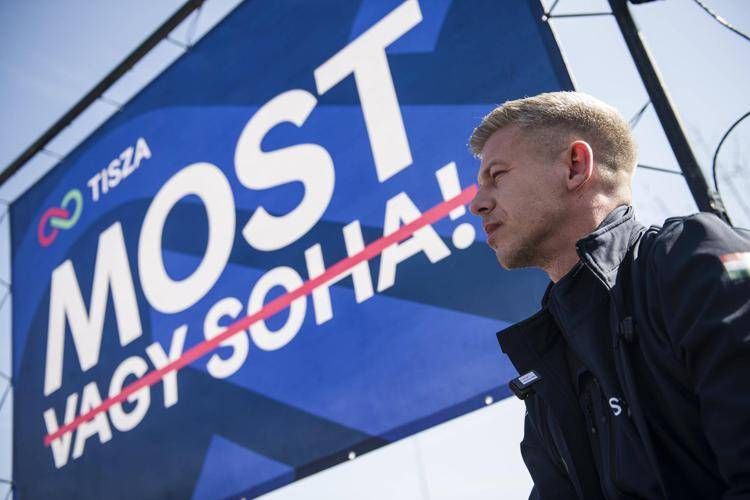
Sinner defeats Alcaraz to win Monte Carlo and claim world No. 1
12 Aprile 2026
The Italian beats the Spaniard 7-6(5), 6-3 in the final, sealing both the title and the top spot in the...
Read More
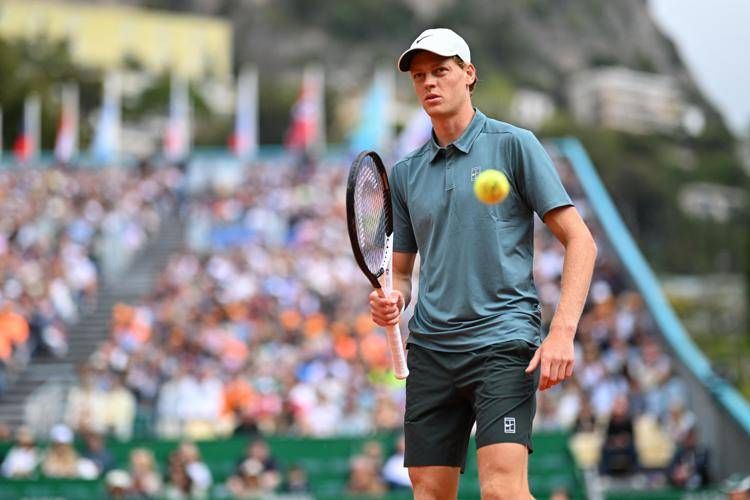
Iran Unable to Fully Reopen Strait of Hormuz Due to Naval Mines, U.S. Officials Say
11 Aprile 2026
New York Times cites Pentagon sources on technical limits; Trump pushes for reopening amid Islamabad talks with Tehran Iran would...
Read More
CDC Vaccine Report Delayed as Trump Administration Faces Criticism Over COVID Data
11 Aprile 2026
Washington Post reports postponement of study on vaccine effectiveness; Italian infectious disease expert Matteo Bassetti criticizes U.S. health leadership The...
Read More

U.S. Destroyers Cross Strait of Hormuz as Trump Announces “Clearing Operation”
11 Aprile 2026
WSJ cites sources confirming passage of two U.S. warships amid conflicting Iranian denials and renewed tensions over navigation in the...
Read More
Mojtaba Khamenei Still Active After February 28 Israeli Strike, Report Says
11 Aprile 2026
Sources cited by Reuters say Iran’s new Supreme Leader is recovering from severe injuries but continues to take part in...
Read More