

Washington and Taipei sign a deal on tariffs and semiconductors, triggering a strong reaction from China The US Department of...
Read More
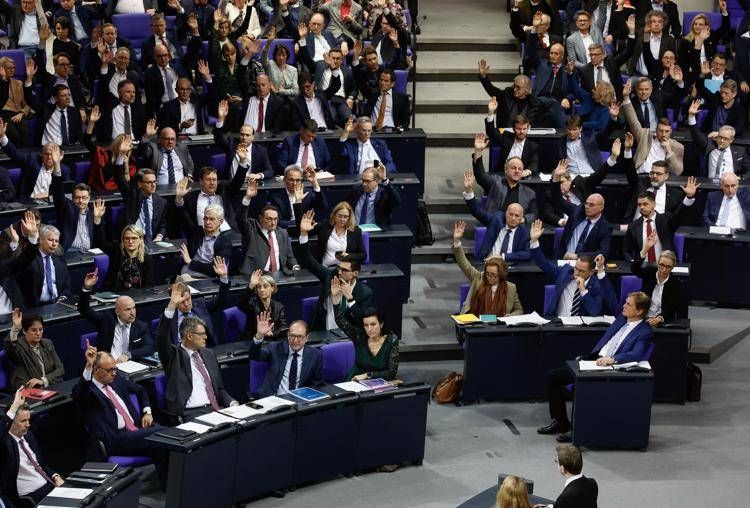
Germany, Cdu/Csu migrant law rejected: divisions among conservatives
-

Alberto Trentini e Mario Burlò sono in Italia dopo la liberazione VIDEO
-
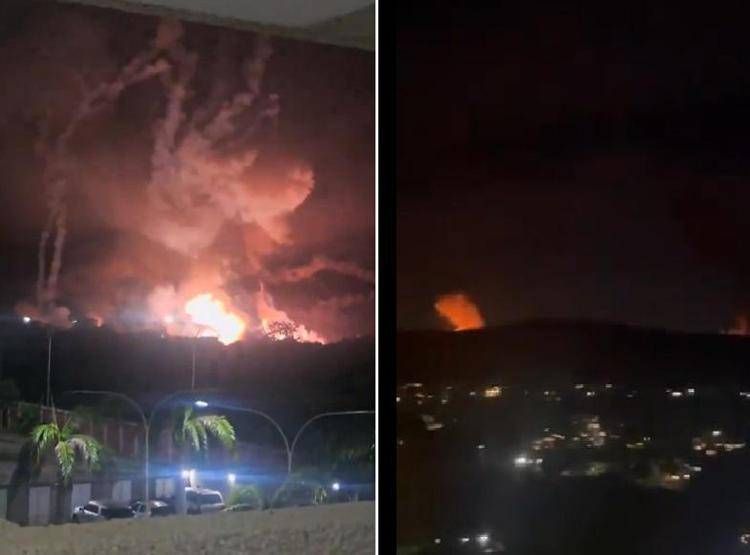
Overnight explosions in Caracas hit military area, widespread power outages reported VIDEO
-


Attacco Usa in Nigeria contro l’Isis, Trump: “Risposta al massacro di cristiani” VIDEO
-

Frana a Cormons: disperso un giovane e un’anziana sotto le macerie VIDEO

The Bundestag rejects the proposal of the conservative bloc, supported by the AfD. Political clash ahead of 23 February elections
The Bundestag has rejected the migration bill presented by the conservative Cdu/Csu bloc and supported by the far-right AfD. The vote today, 31 January, saw 350 MPs against and 338 in favour, with five abstentions out of a total of 693 present.
Political tension and internal accusations
The result has triggered strong reactions in the German political landscape, with the far-right harshly attacking the leader of the Cdu, Friedrich Merz. The AfD’s chancellor candidate, Alice Weidel, described the outcome of the vote as the ‘dismantling’ of Merz’s leadership, accusing him of having ‘gone off like a tiger and ended up as a doormat’. According to Weidel, the rejection of the bill is evidence of an ‘implosion of the conservative party’, which would show how Merz ‘cannot be chancellor’.
The proposal, which envisaged a five-point plan to control immigration, met with resistance even within the conservative parliamentary group itself: 12 Cdu/Csu MPs voted against it. The party leader admitted the defections but defended the decision to table the measure: ‘I am very happy that at least we tried,’ Merz said, attacking the Greens and the SPD for failing what he considers a ‘necessary breakthrough’ in asylum management.
Angela Merkel’s role and the Greens’ accusations
Angela Merkel played a significant role in the internal rift within the conservatives, harshly criticising the choice of the Cdu to rely on AfD votes to pass the measure. A theme also echoed by the Greens, who welcomed the rejection of the law with relief.
‘The proposal has been rejected, but in the last few days we have seen large cracks in the democratic centre,’ said Britta Hasselmann, leader of the Greens’ group in the Bundestag, referring to the readiness of the Cdu to collaborate with the extreme right. Her colleague Katharina Droge accused the conservatives of having ‘blackmailed the other parties with the motto: accept, otherwise we will vote with the Nazis’.
The affair has opened a deep political crisis, which risks having strong repercussions in view of the regional elections on 23 February, a key appointment to test the real balance of power between the parties in Germany.
THE LATEST NEWS

Trump and the Nobel Peace Prize, the medal presented by María Corina Machado
16 Gennaio 2026
The Venezuelan opposition leader symbolically presented Donald Trump with the Nobel Peace Prize medal. The gesture divides opinion and sparks...
Read More

Americans oppose US takeover of Greenland, CNN poll shows
15 Gennaio 2026
A new survey finds broad public resistance to President Donald Trump’s expansionist agenda, with strong opposition across party lines to...
Read More

Netanyahu asks Trump to delay US attack on Iran
15 Gennaio 2026
According to U.S. officials, the Israeli prime minister urged Washington to postpone military action as diplomatic efforts reduce tensions Netanyahu...
Read More

U.S. Treasury Imposes New Sanctions on Iran for Protest Crackdown
15 Gennaio 2026
The Treasury Department targets key Iranian leaders amid ongoing demonstrations for fundamental freedoms and economic security U.S. Treasury Imposes New...
Read More

US oil strategy against China links Venezuela and Iran crises
14 Gennaio 2026
Energy geopolitics drive Washington’s moves as Trump reshapes global power balances The US oil strategy against China is increasingly shaping...
Read More

(Photo: © AndKronos)
Condividi su:


-
 In Evidenza21 ore ago
Guerra in Ucraina, l’offensiva russa rallenta e il fronte resta bloccato
-

 World21 ore ago
Terremoto in Oregon: scossa di magnitudo 6 al largo della costa
-
 Primo Piano21 ore ago
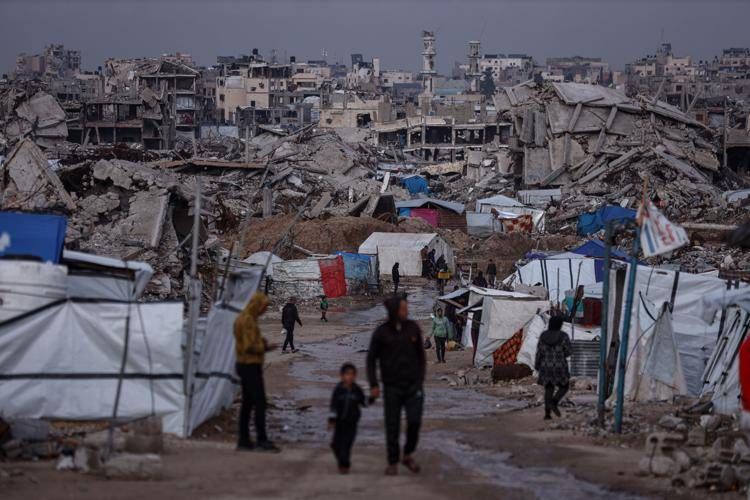
Trump su Gaza: avviata la fase 2 del piano Usa e formato il board della pace
-

 Flash13 ore ago
Giallo a Lucca: donna trovata carbonizzata in un bosco vicino a Marginone