

Leaked footage allegedly shows a regime security strategist defending mass killings during anti-government protests, according to activists Leaked video and...
Read More
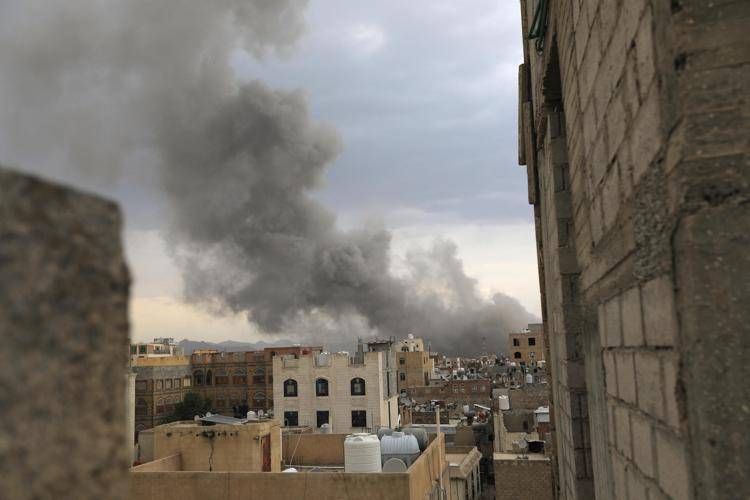
Saudi Arabia and the UAE rivalry puts Yemen back at the center of regional tensions
-

Video shock, poliziotto aggredito negli scontri di Torino
-

Alberto Trentini e Mario Burlò sono in Italia dopo la liberazione VIDEO
-
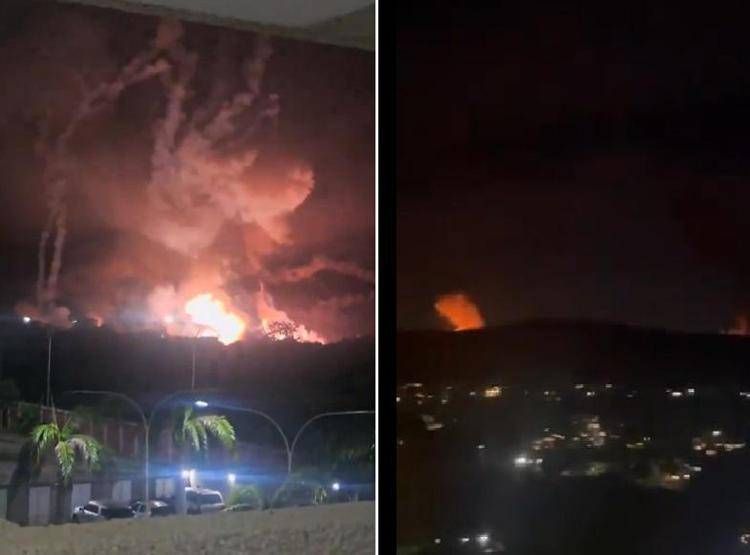
Overnight explosions in Caracas hit military area, widespread power outages reported VIDEO
-


Attacco Usa in Nigeria contro l’Isis, Trump: “Risposta al massacro di cristiani” VIDEO

Emergency measures in Yemen, rising frictions in the Gulf, and Israel’s Somaliland move add pressure on regional stability
The Saudi Arabia and the UAE rivalry is once again drawing international attention to Yemen, as internal crises and regional power dynamics intensify. The situation risks becoming a new diplomatic challenge for former U.S. President Donald Trump, while global focus is also sharpened by Israeli Prime Minister Benjamin Netanyahu’s recent move to recognize Somaliland as an “independent and sovereign state,” a decision analysts see as strategically driven, particularly in an anti-Houthi context.
Yemen, long trapped in internal and regional tensions and suffering from a severe humanitarian crisis, is deeply divided by a civil war involving the Iran-backed Houthi movement. On Monday, Yemeni Presidential Council head Rashad al-Alimi, considered close to Riyadh, declared a 90-day state of emergency. He also ordered the closure of ports and borders for 72 hours and announced the termination of the defense pact with the United Arab Emirates, according to Yemen’s Saba news agency, amid escalating tensions in the country’s south.
Recent weeks have seen growing friction between the Saudi-backed Yemeni government and the Southern Transitional Council (STC), a secessionist group believed to be supported by the UAE. The Saudi-led coalition announced it had carried out a “limited military operation” at the port of Mukalla, in southern Yemen, after warning the STC against military actions in the area bordering the Gulf monarchy. The region had been seized in recent days by southern forces.
According to the coalition, two vessels entered the port of Mukalla over the weekend, allegedly carrying weapons and equipment to support the STC, which seeks to establish a separate southern state from northwestern Yemen, controlled by the Houthis since 2014. Saudi sources cited by The Wall Street Journal said the vessels had departed from the Emirati port of Fujairah with tracking systems turned off.
Saudi Arabia’s Foreign Ministry on Monday cited threats to the kingdom’s national security and to regional stability, urging the United Arab Emirates to comply with Yemen’s request that all Emirati forces leave Yemeni territory within 24 hours and cease all military or financial support to any Yemeni factions. It remains unclear, CNN reports, which Emirati forces are currently present in Yemen.
Over the weekend, U.S. Secretary of State Marco Rubio expressed concern over developments in southeastern Yemen, calling for “moderation” and “diplomacy” to achieve a “durable solution.” Rubio reiterated appreciation for the diplomatic leadership of Saudi Arabia and the UAE while supporting efforts to advance shared security interests.
The Saudi Arabia and the UAE rivalry has grown increasingly complex, despite both countries being key U.S. partners and former allies in the Saudi-led coalition formed to counter the Houthis. While Riyadh officially supports a unified Yemen, Abu Dhabi has backed southern forces that now control large portions of the country’s south, according to observers.
Mukalla lies nearly 500 kilometers northeast of Aden, the de facto capital for anti-Houthi forces since the Houthis seized Sana’a more than a decade ago. The Houthis have recently threatened to attack any potential Israeli presence in Somaliland, a strategically located region along the Gulf of Aden.
Israel has previously struck targets in Yemen in response to Houthi attacks linked to support for Palestinians in Gaza. According to Israel’s Institute for National Security Studies, cited by the BBC, Israel needs regional allies in the Red Sea area for strategic reasons, including the possibility of future military action against the Houthis. Somaliland, analysts argue, could offer Israel strategic access close to the conflict zone.
“The Red Sea is a key transit route for weapons and fighters,” said Cameron Hudson, an Africa analyst interviewed by the BBC. “Having a security and intelligence presence there serves Israel’s broader strategic interests,” he added, highlighting how the Saudi Arabia and the UAE rivalry intersects with wider regional power shifts.
THE LATEST NEWS

New Epstein revelations and scrutiny on Prince Andrew
13 Febbraio 2026
Royal family highlights charity and social causes as attention returns to Epstein documents and links to the former duke. New...
Read More

Robert F. Kennedy Jr cocaine admission sparks backlash in US
13 Febbraio 2026
The Robert F. Kennedy Jr cocaine admission during a podcast interview has triggered political backlash and calls for resignation in...
Read More

UN scandal: Iran elected vice-president of social development despite human rights violations
13 Febbraio 2026
Iran has been elected vice-president of the UN Commission for Social Development, sparking fierce controversy over its violations of women's...
Read More

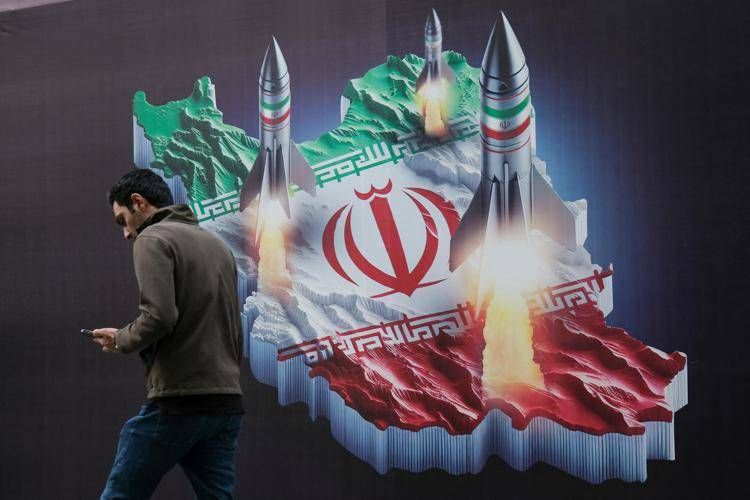
Iran marks Islamic Revolution anniversary with anti-US and Israel display
11 Febbraio 2026
Missiles, drone wreckage and propaganda symbols shown during mass rallies in Tehran Iran marks Islamic Revolution anniversary with anti-US and...
Read More
Trump to repeal Endangerment Finding on greenhouse gases
11 Febbraio 2026
White House calls it historic deregulation; scientists and states prepare legal fight. Trump to repeal Endangerment Finding on greenhouse gases...
Read More
(Photo: © AndKronos)
Condividi su:




-

 News18 ore ago
L’indagine per la morte della bimba di Bordighera: indagato anche il compagno della madre
-

 Meteo15 ore ago
Maltempo in Italia: allerta arancione in Calabria, frane e allagamenti gravi
-
 Primo Piano18 ore ago
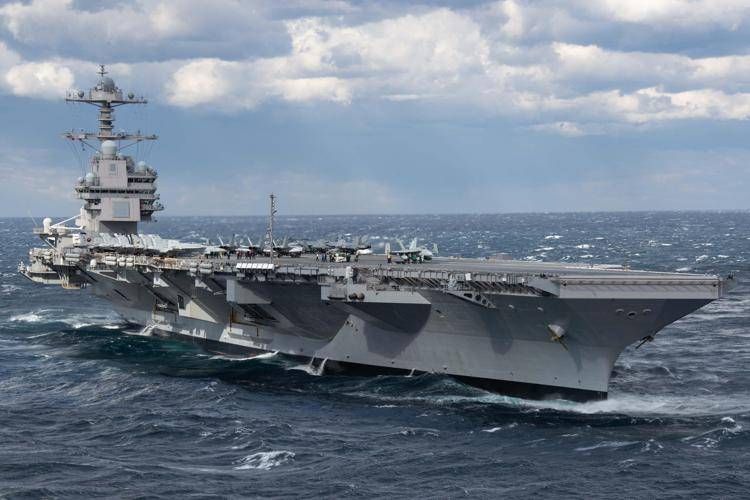
Trump ordina anche dispiegamento portaerei USS Ford nel Golfo Persico
-
 Flash18 ore ago
Trapianto di cuore fallito al Monaldi di Napoli: bimbo resta grave