

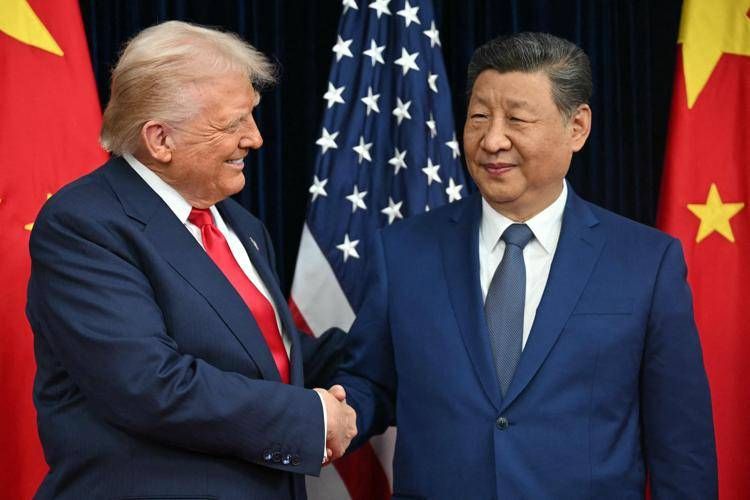
Washington and Taipei sign a deal on tariffs and semiconductors, triggering a strong reaction from China The US Department of...
Read More
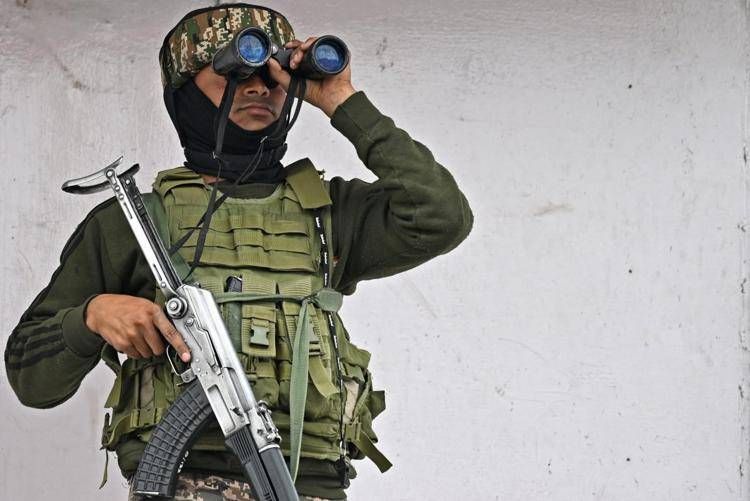
Tension returns between India and Pakistan after Kashmir attack: Islamabad missile test
-

Alberto Trentini e Mario Burlò sono in Italia dopo la liberazione VIDEO
-
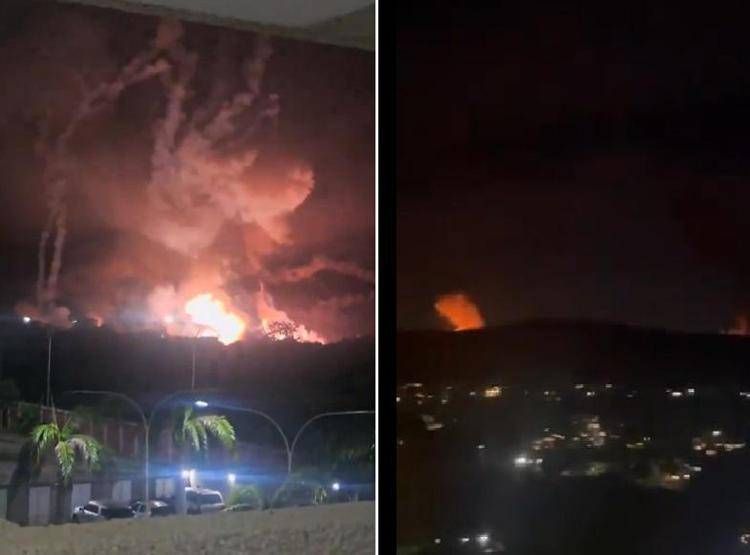
Overnight explosions in Caracas hit military area, widespread power outages reported VIDEO
-


Attacco Usa in Nigeria contro l’Isis, Trump: “Risposta al massacro di cristiani” VIDEO
-

Frana a Cormons: disperso un giovane e un’anziana sotto le macerie VIDEO

Following the attack in Pahalgam, with 26 casualties including Indian tourists, tensions rise: Pakistani missile tests, clashes on the Line of Control and mutual accusations between the two governments.
After the 22 April attack in the tourist resort of Pahalgam, which cost the lives of 26 people – among them several Indian tourists and a Nepalese citizen – relations between India and Pakistan are once again heating up. The attack, claimed by the separatist group Resistance Front, rekindled historical tensions over the disputed region of Kashmir, causing a new escalation between the two countries.
In response to the escalating climate, Pakistani Prime Minister Shehbaz Sharif postponed his official visit to Malaysia, scheduled for Friday. At the same time, the Pakistani army carried out a second missile test in two days, billed as a ‘training exercise’ with a surface-to-surface missile with a range of 120 kilometres. ‘The launch clearly shows that Pakistan’s defence is in strong hands,’ Sharif said in an official note, praising the readiness of the armed forces.
Clashes on the Line of Control
On the night of Sunday to Monday, the Indian army accused Pakistani forces of violating the ceasefire along the Line of Control (LoC), the de facto border separating the two countries in the Kashmir region. According to military sources in New Delhi, Pakistani troops allegedly opened fire without provocation in the areas of Kupwara, Baramulla and Sunderbani, using small arms. The Indian forces reportedly reacted ‘swiftly and proportionately’.
As a further measure of pressure, India reduced the flow of water to Pakistan by closing the bulkheads of the Balihar dam, a decision that could further exacerbate the already high tensions.
The accusations and the context
New Delhi continues to accuse Islamabad of supporting armed groups active in Kashmir, particularly those linked to Islamist independenceism. The Resistance Front, believed to be close to jihadist organisations, claimed the Pahalgam attack, contributing to a sudden deterioration of the fragile balance maintained in the region.
Kashmir remains one of the most disputed areas in the world, the heart of two of the three wars fought between India and Pakistan since 1947. Despite the truce signed in 2003, armed clashes along the LoC have never completely stopped, and in recent weeks there has been a worrying increase in violent incidents.
Diplomatic moves
The ongoing crisis has prompted Pakistan to mobilise diplomatically. After the cancellation of Sharif’s visit, Malaysian Prime Minister Anwar Ibrahim expressed solidarity with his Pakistani colleague and hoped for a rapid de-escalation. According to the PM’s office, the two leaders spoke by phone and Sharif expressed his intention to make up for the visit at a later date.
In the meantime, Islamabad has intensified contacts with countries considered to be allies. Iranian Foreign Minister Abbas Araghchi was received in the capital, while Pakistani Information Minister Attaullah Tarar paid a visit to Pakistani-controlled Kashmir, reiterating the government’s commitment to assert its point of view internationally.
Russia’s appeal
From the Kremlin comes a call for calm. After Foreign Minister Sergei Lavrov’s statements on Russia’s readiness to mediate, spokesman Dmitry Peskov reiterated support for a diplomatic solution: ‘India is our strategic partner. Pakistan is also our partner on many fronts. We value our relations with both and hope for a reduction in border tensions,’ he said in a briefing quoted by Ria Novosti.
THE LATEST NEWS
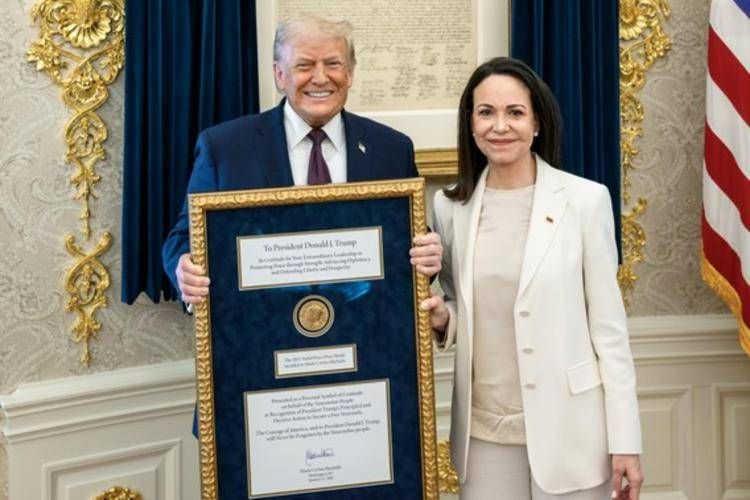
Trump and the Nobel Peace Prize, the medal presented by María Corina Machado
16 Gennaio 2026
The Venezuelan opposition leader symbolically presented Donald Trump with the Nobel Peace Prize medal. The gesture divides opinion and sparks...
Read More
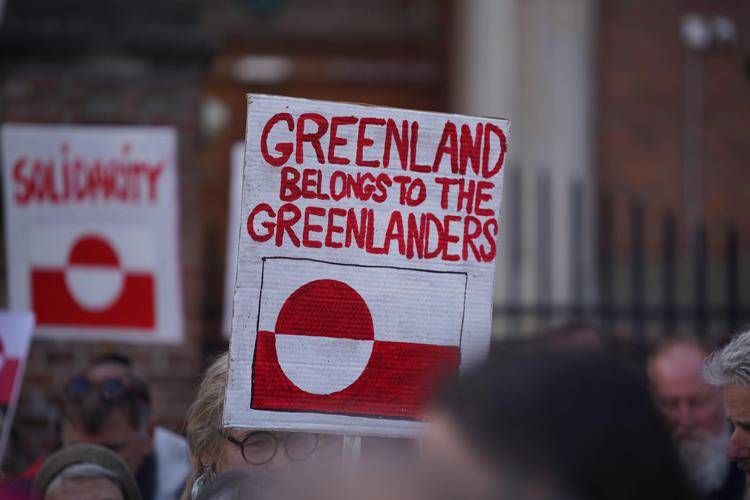
Americans oppose US takeover of Greenland, CNN poll shows
15 Gennaio 2026
A new survey finds broad public resistance to President Donald Trump’s expansionist agenda, with strong opposition across party lines to...
Read More
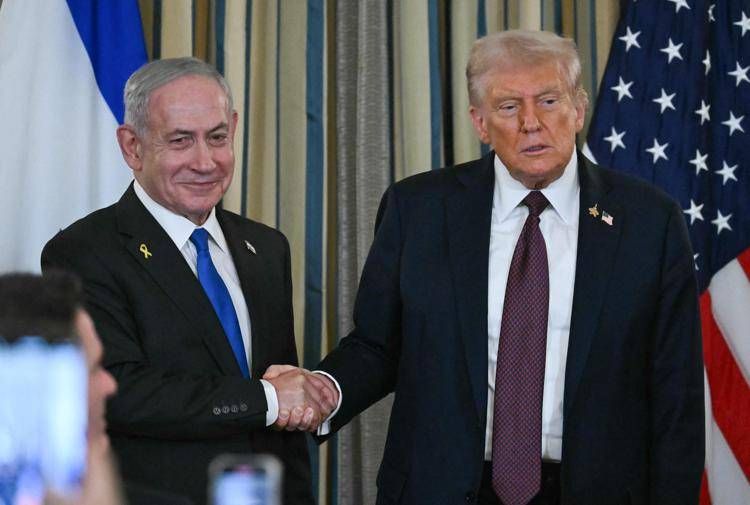
Netanyahu asks Trump to delay US attack on Iran
15 Gennaio 2026
According to U.S. officials, the Israeli prime minister urged Washington to postpone military action as diplomatic efforts reduce tensions Netanyahu...
Read More
U.S. Treasury Imposes New Sanctions on Iran for Protest Crackdown
15 Gennaio 2026
The Treasury Department targets key Iranian leaders amid ongoing demonstrations for fundamental freedoms and economic security U.S. Treasury Imposes New...
Read More

US oil strategy against China links Venezuela and Iran crises
14 Gennaio 2026
Energy geopolitics drive Washington’s moves as Trump reshapes global power balances The US oil strategy against China is increasingly shaping...
Read More

(Photo: © AndKronos)
Condividi su:


-
International-News22 ore ago
Americans oppose US takeover of Greenland, CNN poll shows
-
International-News22 ore ago
Netanyahu asks Trump to delay US attack on Iran
-
 News22 ore ago
Sì avanti nel referendum sulla riforma della giustizia, sondaggio Emg
-
 In Evidenza11 ore ago
Guerra in Ucraina, l’offensiva russa rallenta e il fronte resta bloccato