NASA crew travels beyond 400,000 kilometers, breaking the 1970 record Artemis II has set a new record distance from Earth,...
Read More
International-News
France faces political chaos: Barnier government falls, Macron under pressure
After the no-confidence motion against the government, the president will address the country tonight to try to contain the institutional crisis
France finds itself in the midst of a political crisis after the resounding fall of Michel Barnier’s government, sanctioned by a no-confidence vote passed by 331 votes out of the 289 needed. An unprecedented event since 1962, which brought down the executive after only 89 days. Emmanuel Macron, President of the Republic, is now at the centre of a violent political clash, with the left demanding his resignation and the right preparing to dictate new terms.
The motion of censure, promoted by the left led by Jean-Luc Mélenchon, also received the decisive support of Marine Le Pen’s Rassemblement National. Mélenchon wasted no time in attacking Macron, declaring that the president ‘will not last three years’. The leader of the France Insoumise group, Mathilde Panot, increased the dose, demanding the resignation of the head of state.
From the right, however, the tone is more pragmatic. Marine Le Pen justified the vote with the intention of ‘protecting the French’ and criticised former premier Barnier for ignoring the oppositions in the drafting of the budget law. Jordan Bardella, leader of the Rassemblement National, made it clear that his party is not calling for Macron’s resignation at the moment, but is waiting for the appointment of a new prime minister with a budget review.
Macron, who recently returned from a trip to Saudi Arabia, had tried to prevent this institutional crisis with appeals for stability. On Tuesday evening he had declared: ‘I cannot believe in a vote of no-confidence’. But reality belied him in less than 24 hours.
The president, who categorically ruled out the hypothesis of resignation, calling it a ‘political fiction’, will speak tonight at 8pm in an address to the nation. Macron reiterated his determination to continue in office until 2027: ‘I was elected twice by the French people and I will honour this trust until the last second.’
In the meantime, the crisis has already had diplomatic repercussions: Barnier’s official visit to Italy, where he would have met Prime Minister Giorgia Meloni and President of the Republic Sergio Mattarella, has been cancelled.
The country is now waiting to see what the president’s next moves will be, as he is forced to find a solution in a fragmented parliamentary context marked by tensions that call into question the very resilience of the institutions.
THE LATEST NEWS
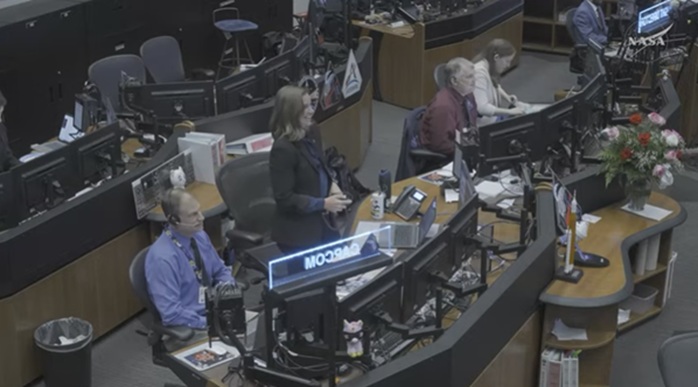
US special forces raid in Iran rescues downed pilot after high-risk mission
6 Aprile 2026
Complex operation involving airstrikes, intelligence and deception saves pilot; second crew member still missing A high-risk raid by United States...
Read More
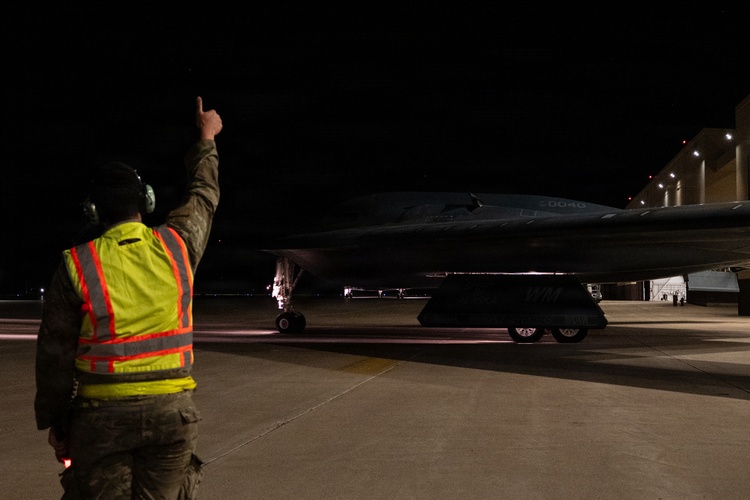
US pilot in Iran delayed contact due to concussion
5 Aprile 2026
Israeli Channel 12 reports the F-15 weapons officer was unconscious after ejecting, regaining communication only hours later A US pilot...
Read More
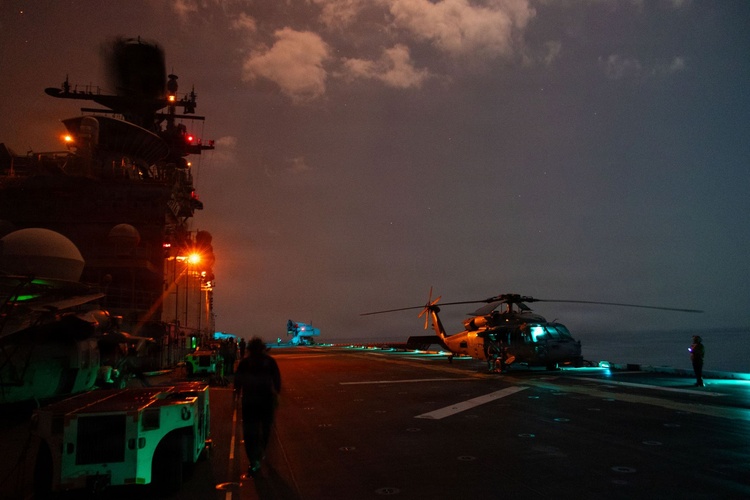
Trump the Flip-Flopper: Shifting Stance on Iran and the Strait of Hormuz, Between Threats and Delays
5 Aprile 2026
Since March 21: ultimatums, pauses, and new warnings. Deadline set for April 6 for the reopening of the Strait Donald...
Read More
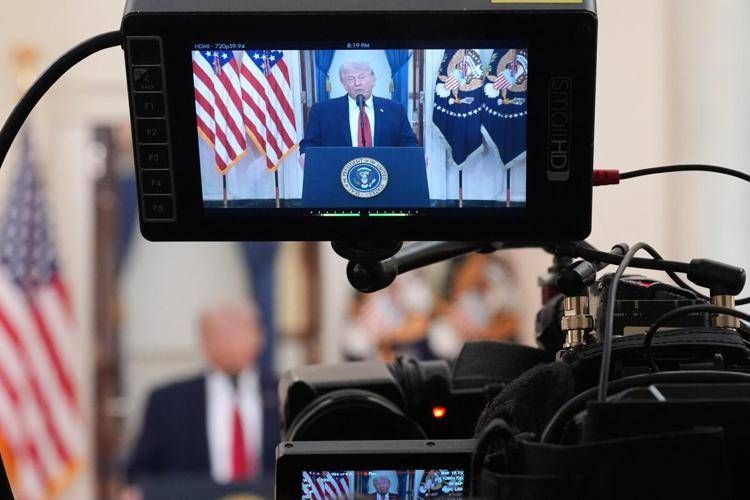
 LIVE – Artemis II sets record...
6 Aprile 2026
US special forces raid in Iran...
6 Aprile 2026
US pilot in Iran delayed contact...
5 Aprile 2026
Trump the Flip-Flopper: Shifting Stance on...
5 Aprile 2026
LIVE – Artemis II sets record...
6 Aprile 2026
US special forces raid in Iran...
6 Aprile 2026
US pilot in Iran delayed contact...
5 Aprile 2026
Trump the Flip-Flopper: Shifting Stance on...
5 Aprile 2026