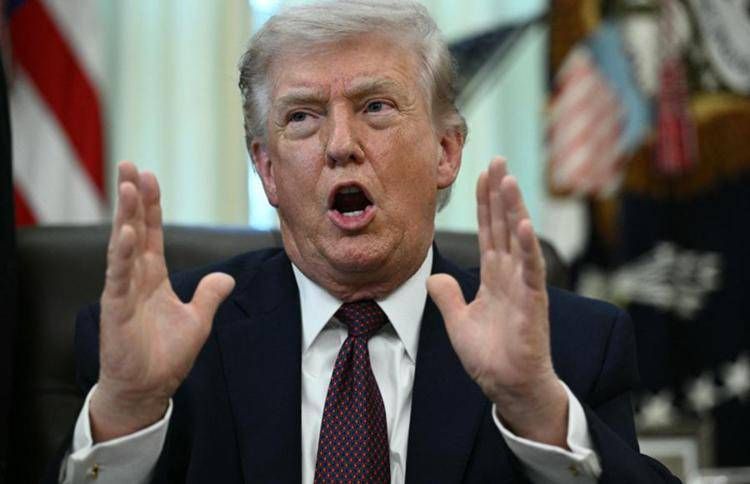
House panel moves to enforce testimony as former attorney general faces April 14 date Pam Bondi subpoena over Epstein files...
Read More
International-News
Brexit, five years on: what has changed for trade, travel and immigration

From trade to travel, a review of the UK’s exit from the European Union
On 31 January 2020, the United Kingdom officially left the European Union after 47 years, triggering an 11-month transition period to mitigate the economic and trade impact of the exit. Five years on, the British broadcaster BBC, through its information verification channel, analysed the effects of Brexit on five key aspects of the referendum campaign led by Nigel Farage.
Trade and international agreements
Despite a free trade agreement with the EU that avoided tariffs, British businesses now face new bureaucratic barriers that have slowed operations and increased costs, affecting small businesses in particular. Several studies estimate a reduction in exports of between 6% and 30%. The trade agreements signed with other countries, such as Australia, New Zealand and India, have also had a limited impact, without compensating for the losses in the European market.
Immigration: fewer Europeans, more non-Europeans
One of the aims of Brexit was to reduce immigration from the EU, which has indeed collapsed. However, the number of workers and students from other parts of the world has increased thanks to the new system based on point-based visas. This change has created difficulties in sectors that depended on European labour, leading to staff shortages in some areas.
Travel: new rules from 2025
Leaving the EU has made travel between the UK and European countries more complicated. From 2025, the EU will introduce two new border control systems:
Entry Exit System (EES): an electronic register that will collect biometric data of non-European citizens entering and leaving the Schengen area, eliminating manual stamping in passports.
European Travel Information and Authorization System (ETIAS): will oblige British citizens to apply for electronic authorisation before entering 30 EU countries. It will cost EUR 7 and will be valid for three years.
For its part, the UK will introduce from 2 April 2025 the Electronic Travel Authorisation (ETA) for EU citizens, with a cost of £16.
Laws and national sovereignty
One of the main objectives of Brexit was the recovery of legislative sovereignty. The British government has incorporated almost 7,000 European regulations into its own law, regulating areas such as health and safety at work, the environment and workers’ rights. Although these laws were initially scheduled to be deleted by 2023, most have been retained, with a few targeted changes.
Budget: how much has the UK saved?
During the Brexit campaign, supporters of the exit claimed that the UK was paying the EU £350 million per week. In reality, the net saving for London was around £9 billion per year, but the government had to cover the funds that previously came from the EU for areas such as agriculture and regional development. Furthermore, the UK chose to continue funding programmes such as Horizon Europe, maintaining economic ties with Brussels.
Five years after the referendum, the Brexit debate remains heated, with economic and social effects continuing to evolve in an uncertain political environment.
THE LATEST NEWS

Hegseth asks Army Chief Randy George to resign
2 Aprile 2026
Defense secretary moves to replace the Army’s top general with a figure aligned with Trump’s military vision U.S. Defense Secretary...
Read More
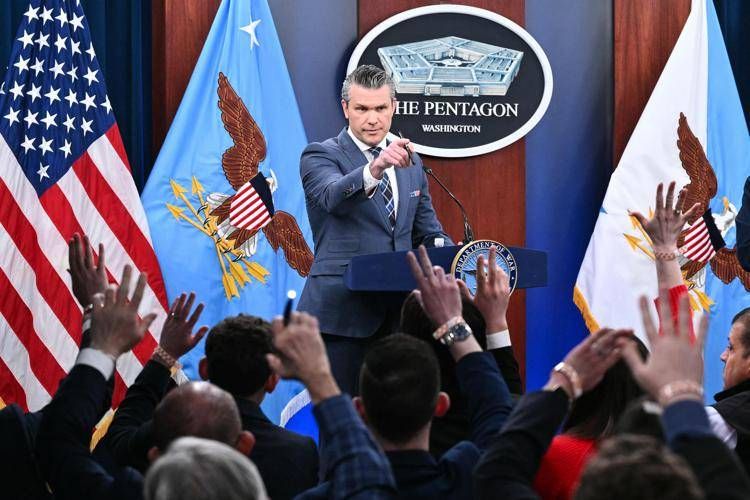
Trump removes Bondi, taps former personal lawyer Blanche as interim AG
2 Aprile 2026
The president announces the leadership change at the Justice Department, appointing his former personal lawyer as acting attorney general U.S....
Read More
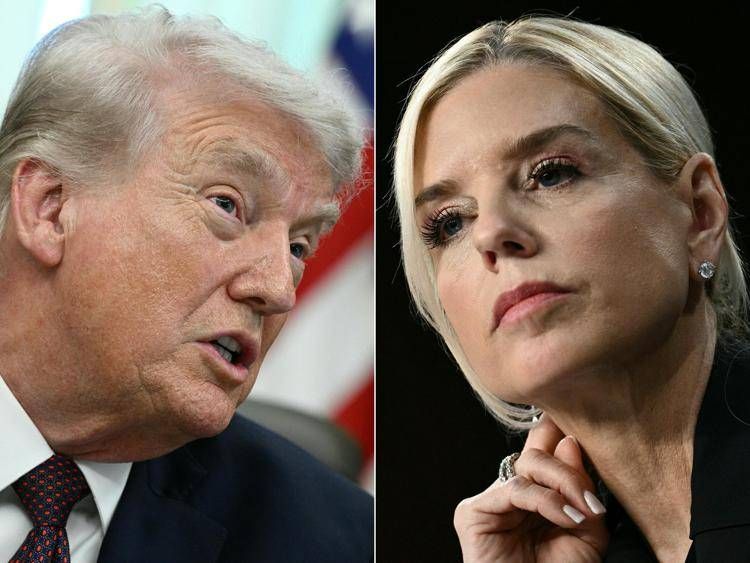
Gulf States Reconsider Pipelines Amid Prolonged Iranian Control of Hormuz
2 Aprile 2026
Rising tensions over the Strait of Hormuz are prompting Gulf nations to explore new energy corridors to bypass Iran and...
Read More
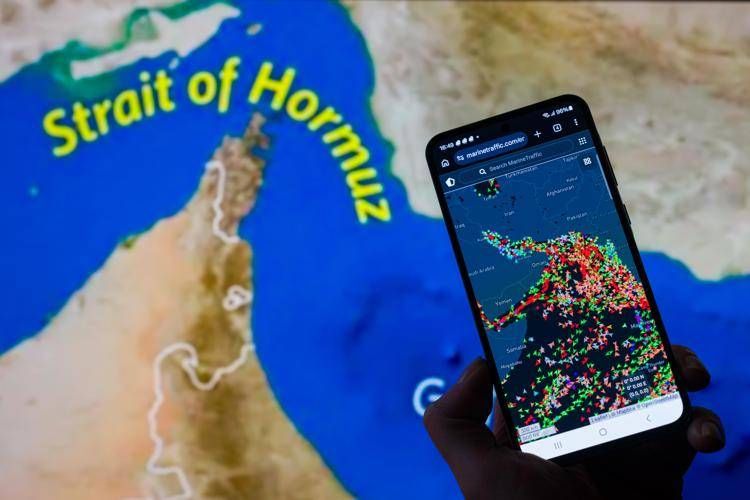
Trump threatens to pull the U.S. out of NATO
1 Aprile 2026
Donald Trump threatens to withdraw the United States from NATO, slams European allies and clashes with UK PM Keir Starmer...
Read More
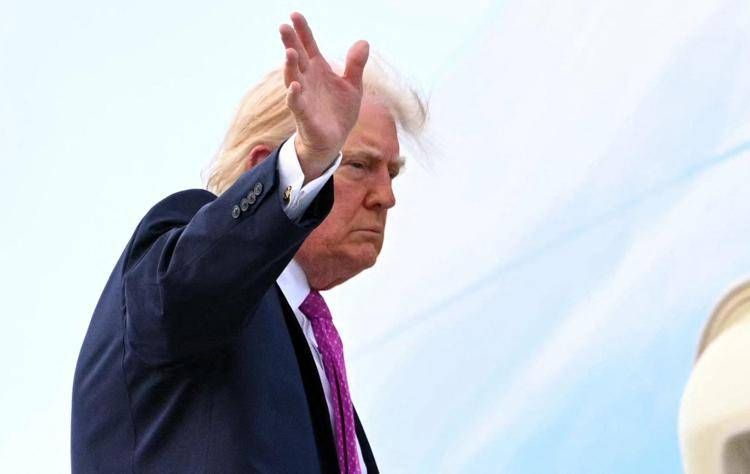
Trump says Iran requests ceasefire, but Tehran denies it
1 Aprile 2026
US president announces contacts on Iranian initiative; Islamic Republic rejects truce Tensions between the United States and Iran continue to...
Read More