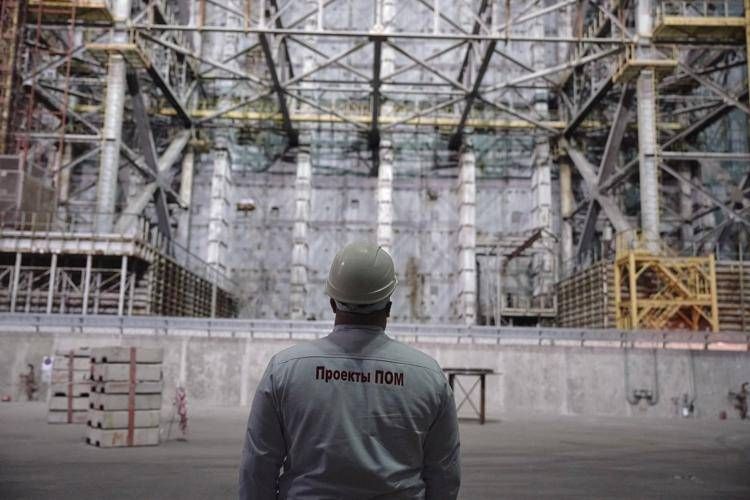
The 1986 reactor explosion remains the worst nuclear accident in history, while the site continues to face modern security risks...
Read More
International-News
Operation Midnight Hammer: how the United States struck Iranian nuclear sites
The Pentagon reveals details of the raid that destroyed three nuclear facilities in less than 24 hours. B-2 bombers and US submarines with Tomahawk missiles were involved
A lightning operation, lasting just over 24 hours, to strike at the heart of Iran’s nuclear programme. “Operation Midnight Hammer” was outlined at the Pentagon by Chief of Staff Dan Caine, accompanied by Secretary of Defence Pete Hegseth. The raid targeted three strategic sites: Fordow, Natanz and Isfahan.
The attack began on Friday night. B-2 stealth bombers took off from Missouri and followed separate routes: some headed west, via the Pacific and Guam, to distract Iranian intelligence; others headed east with communications reduced to a minimum for an 18-hour flight and multiple in-flight refuelling stops.
At 11 p.m. Italian time (5 p.m. in Washington) on Saturday, the first attack began. An American submarine launched over 24 Tomahawk missiles against infrastructure targets in Isfahan. Fourth- and fifth-generation American warplanes flew at high altitude, simulating an attack to mislead Iranian radars and ensure the safe entry of the B-2s into the airspace.
At 12:40 a.m. Italian time, the first B-2 struck Fordow with two GBU bombs, followed by others that hit Natanz and Isfahan again. A total of 14 bunker-buster bombs were dropped. Shortly afterwards, new Tomahawk missiles struck Isfahan again to seal the operation, which ended around 1:10 a.m. Italian time.
According to the Pentagon, no missiles were launched against American aircraft, confirming the effectiveness of the deception and protection measures. The return to base took place without incident.
According to the US, the operation represents a decisive blow to Tehran’s nuclear ambitions. It now remains to be seen what Iran’s response will be and whether American deterrence will have blocked — or only delayed — a programme that Washington considers an existential threat.
THE LATEST NEWS
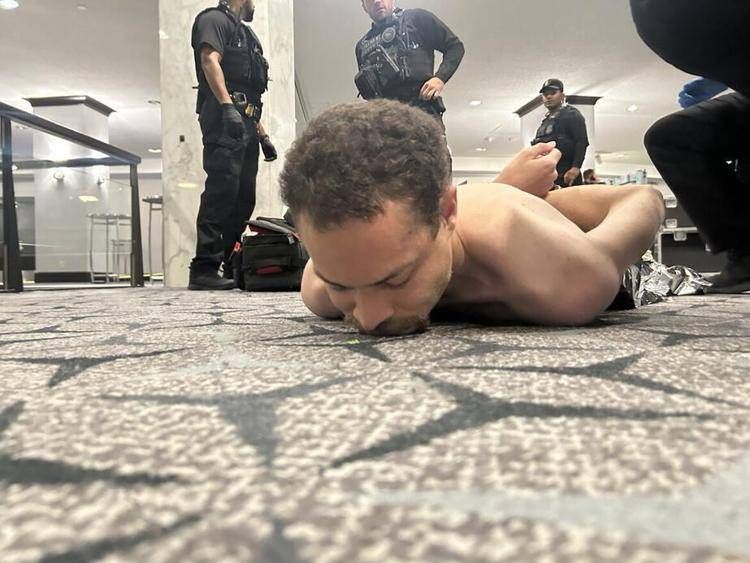
Trump posts suspect image after Washington shooting arrest
26 Aprile 2026
President says attacker acted alone; FBI urges public to share information as investigation expands. Donald Trump shared on Truth Social...
Read More
US Special Forces Soldier Arrested Over Maduro Operation Insider Trading Scheme
24 Aprile 2026
Federal prosecutors say the servicemember used classified intelligence tied to “Operation Absolute Resolve” to place high-stakes bets on Polymarket, netting...
Read More

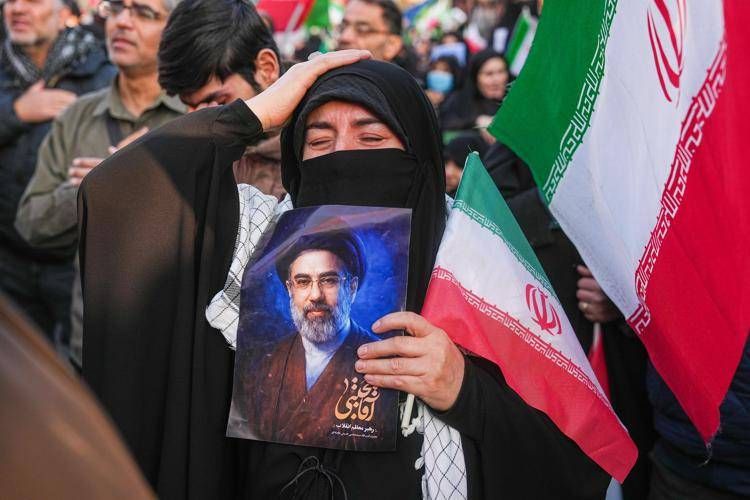
Mojtaba Khamenei seriously injured in Israeli strike on residence compound
23 Aprile 2026
The Supreme Leader’s son, Mojtaba Khamenei, sustained severe injuries in an Israeli attack on his residential complex on February 28,...
Read More
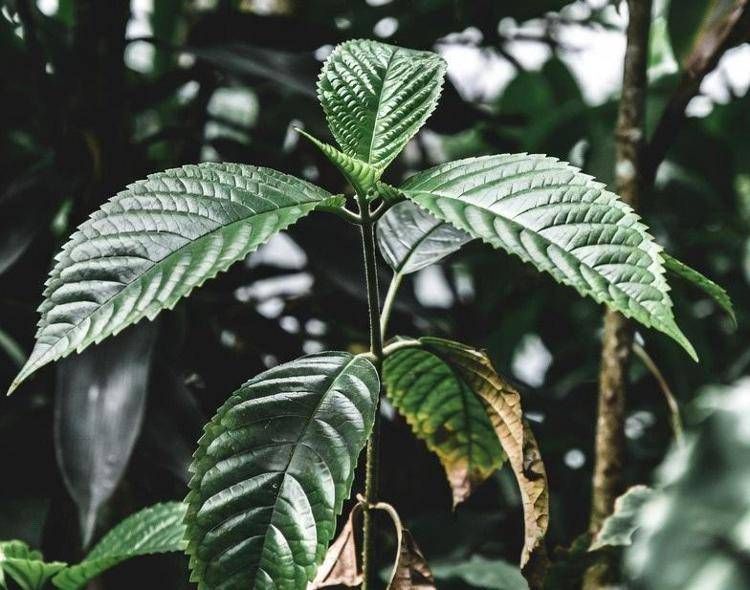
Kratom boom raises alarm as poison center cases surge in the US
23 Aprile 2026
Study finds 65-fold increase in exposures and growing number of severe medical outcomes linked to plant-based psychoactive substance A plant-derived...
Read More
Jet fuel crisis forces flight cuts as summer travel nears
22 Aprile 2026
Lufthansa cancels 20,000 short-haul flights, while Ryanair warns of rising costs and market instability A growing jet fuel crisis is...
Read More
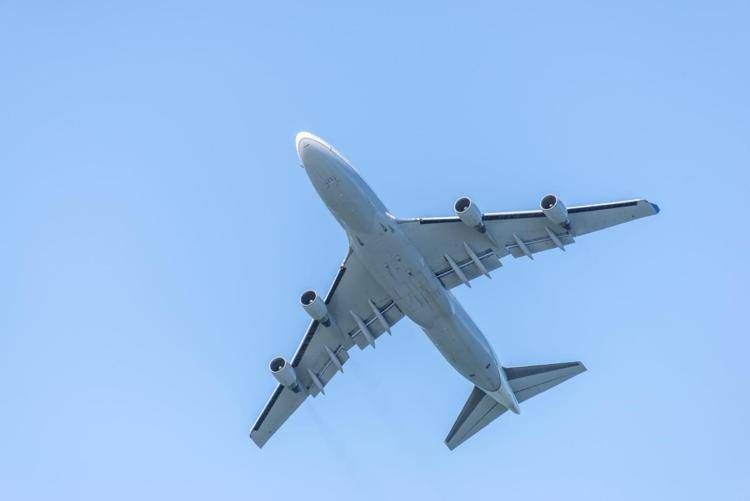
(Photo: © AndKronos)