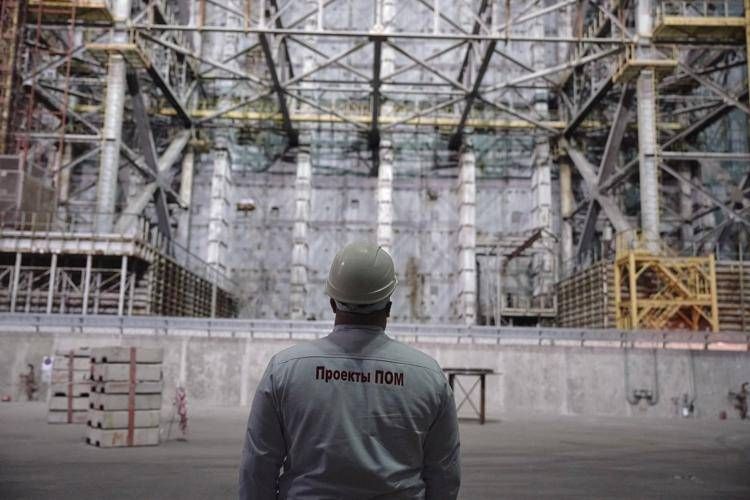
The 1986 reactor explosion remains the worst nuclear accident in history, while the site continues to face modern security risks...
Read More
International-News
Iran threatens to close the Strait of Hormuz, the United States: ‘It would be economic suicide’
After US raids on Iranian nuclear sites, Tehran considers blocking the strategic passage for oil. US Vice President Vance: ‘We don’t want war, but we want to stop nuclear ambitions’
Tensions between the United States and Iran reach new heights after American attacks on the Islamic Republic’s nuclear sites. The Majlis, Tehran’s parliament, announced that it had concluded that the Strait of Hormuz should be closed, but left the final decision to the Supreme National Security Council. This was confirmed by General Esmail Kowsari, a member of the National Security Commission and a leading figure in the Revolutionary Guard, in an interview with Iranian television station Press TV.
The Strait of Hormuz is a key passageway for the global transport of oil and liquefied natural gas. Connecting the Persian Gulf to the Gulf of Oman and the Arabian Sea, it carries about 20% of the world’s crude oil. Its closure would have immediate repercussions on energy markets and the international geopolitical balance.
The American response was immediate. Vice President Jd Vance, interviewed by NBC News, called the threat a “suicidal move” for Iran: “Their entire economy goes through there. If they want to destroy it, that’s their choice, but it doesn’t make sense”. Vance reiterated that “the United States is not at war with Iran, but with its nuclear ambitions”.
According to the vice president, the American intervention has already achieved a crucial goal: ‘We have substantially slowed down the development of nuclear weapons.’ Vance also ruled out sending ground troops: ‘We do not intend to put boots on the ground.’ Finally, he left the door open to possible dialogue: ‘We want to talk to Iran to find a long-term solution. We do not fear a prolonged conflict.’
As the world watches with apprehension, the situation remains fluid. Any decision on the Strait of Hormuz could mark a turning point in the crisis between Washington and Tehran.
THE LATEST NEWS
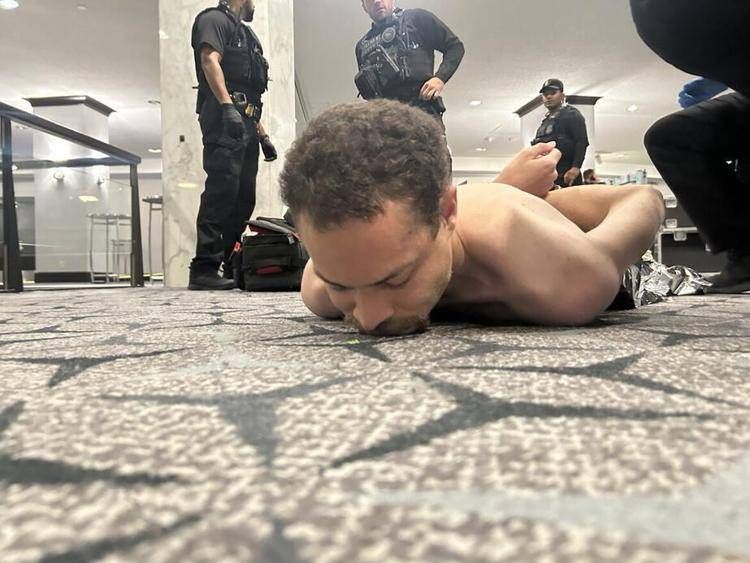
Trump posts suspect image after Washington shooting arrest
26 Aprile 2026
President says attacker acted alone; FBI urges public to share information as investigation expands. Donald Trump shared on Truth Social...
Read More
US Special Forces Soldier Arrested Over Maduro Operation Insider Trading Scheme
24 Aprile 2026
Federal prosecutors say the servicemember used classified intelligence tied to “Operation Absolute Resolve” to place high-stakes bets on Polymarket, netting...
Read More

Mojtaba Khamenei seriously injured in Israeli strike on residence compound
23 Aprile 2026
The Supreme Leader’s son, Mojtaba Khamenei, sustained severe injuries in an Israeli attack on his residential complex on February 28,...
Read More
Kratom boom raises alarm as poison center cases surge in the US
23 Aprile 2026
Study finds 65-fold increase in exposures and growing number of severe medical outcomes linked to plant-based psychoactive substance A plant-derived...
Read More

Jet fuel crisis forces flight cuts as summer travel nears
22 Aprile 2026
Lufthansa cancels 20,000 short-haul flights, while Ryanair warns of rising costs and market instability A growing jet fuel crisis is...
Read More
(Photo: © AndKronos)