

Washington and Taipei sign a deal on tariffs and semiconductors, triggering a strong reaction from China The US Department of...
Read More
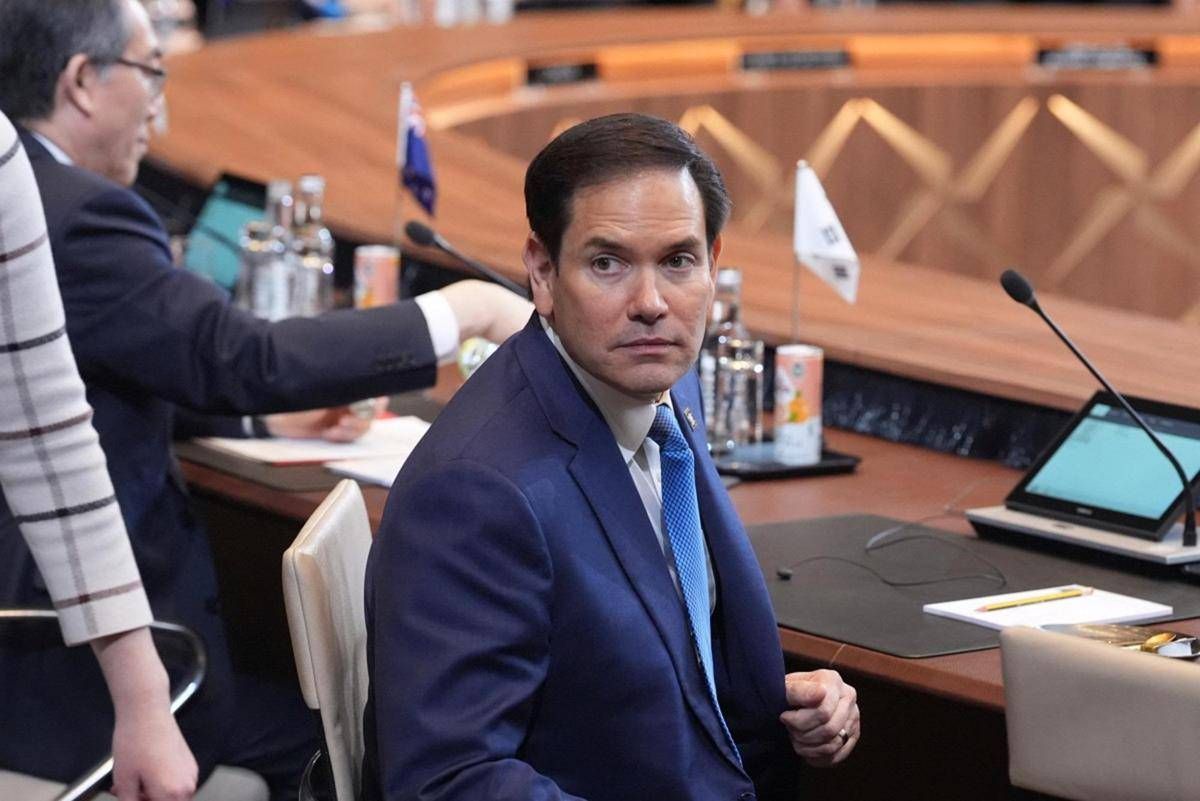
Rubio reassures US commitment to NATO and calls for 5% spending, Tajani replies: ‘Difficult with new duties’
-

Alberto Trentini e Mario Burlò sono in Italia dopo la liberazione VIDEO
-
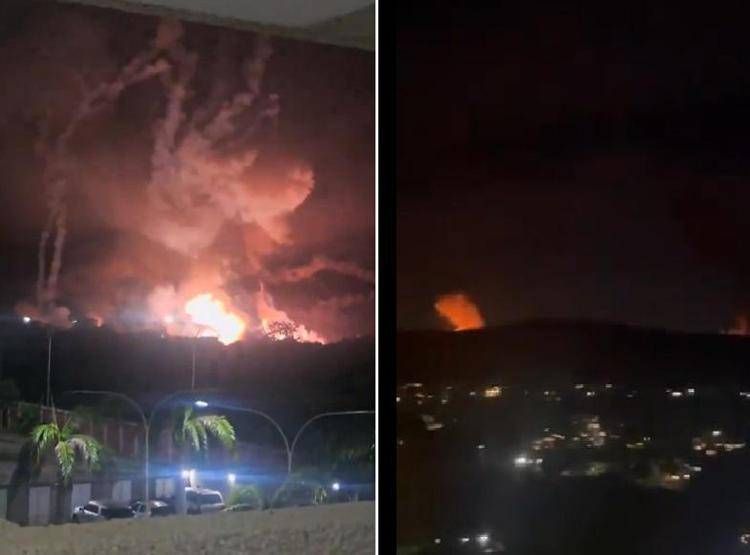
Overnight explosions in Caracas hit military area, widespread power outages reported VIDEO
-


Attacco Usa in Nigeria contro l’Isis, Trump: “Risposta al massacro di cristiani” VIDEO
-

Frana a Cormons: disperso un giovane e un’anziana sotto le macerie VIDEO

The US Secretary of State reaffirmed the US commitment to NATO and urged the allies to allocate 5% of GDP to defence. Tajani states that the goal becomes very difficult with the new duties imposed by the US
The statement comes on the sidelines of the condolences expressed by Nato Secretary General Mark Rutte for the death of four American soldiers in Lithuania during an exercise. Rubio expressed thanks for the gesture, emphasising that ‘this tragedy reminds us that the United States is in Nato and active as never before’. He then responded to concerns raised by some media outlets, calling fears about a possible US withdrawal ‘unwarranted’. ‘President Donald Trump has already made clear his support for NATO and we will remain in NATO,’ Rubio said.
However, Rubio also urged Nato allies to take seriously their commitment to allocate at least five per cent of their GDP to defence. The secretary explained that advanced economic powers, such as those in NATO, have the capacity to do more to ensure common security. ‘We cannot continue to rely only on the United States for the defence of our territory. Every single member has to make a commitment,’ he added, acknowledging that some countries may find it difficult to do so, given the need to balance security spending with domestic social spending.
Rubio emphasised that despite domestic challenges, the US has always prioritised defence, but the Alliance needs to be able to address threats in a more concrete way. ‘We are committed to building a NATO that can truly defend its member states and deter any aggression. This is a commitment that requires everyone’s contribution,’ he explained.
On domestic political pressures, Rubio explained that it is unrealistic to reach 5 per cent of GDP anytime soon, but insisted that the path must be clear and feasible. He also emphasised that security is not an option, but a necessity for global stability, especially after recent events such as the war in Europe.
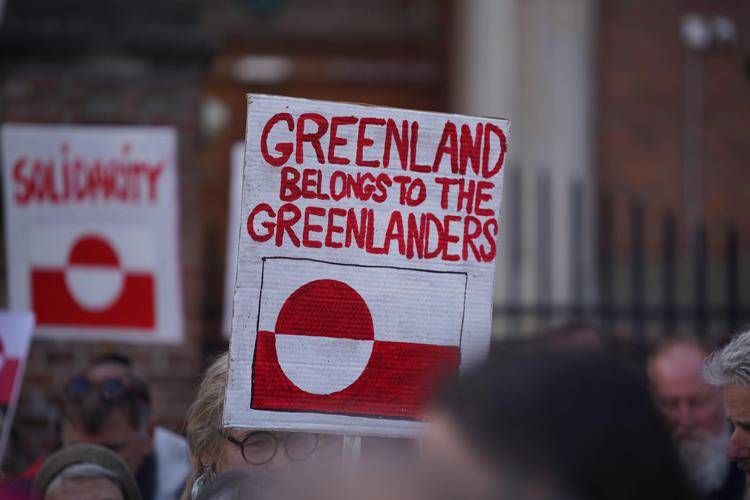
During his visit to Brussels, Rubio also met with Danish Foreign Minister Lars Lokke Rasmussen to discuss bilateral relations between the US and Denmark, renewing the strong commitment between the two countries. Greenland-related tensions, however, were not explicitly addressed, although they are a hot topic in relations between Washington and Copenhagen.
Finally, Italy responded to Rubio’s call for increased defence spending. Italian Foreign Minister Antonio Tajani stated that the country is ready to meet the 2% GDP target, but raised difficulties in accepting an increase to 5%, considering the current economic policies and international tariffs.
THE LATEST NEWS
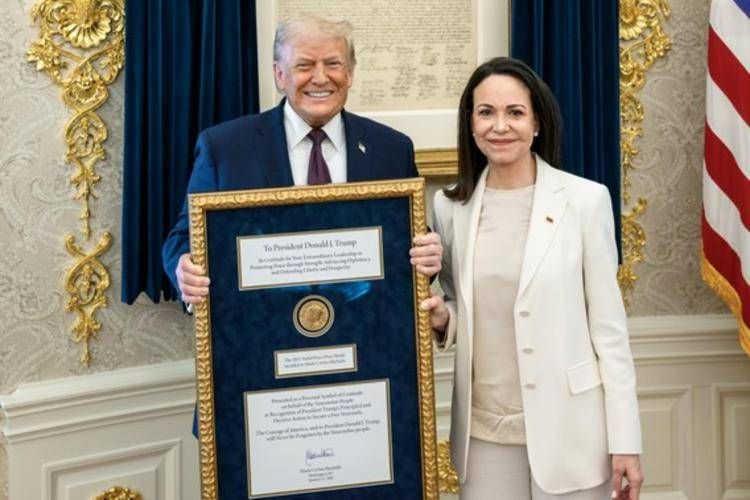
Trump and the Nobel Peace Prize, the medal presented by María Corina Machado
16 Gennaio 2026
The Venezuelan opposition leader symbolically presented Donald Trump with the Nobel Peace Prize medal. The gesture divides opinion and sparks...
Read More
Americans oppose US takeover of Greenland, CNN poll shows
15 Gennaio 2026
A new survey finds broad public resistance to President Donald Trump’s expansionist agenda, with strong opposition across party lines to...
Read More
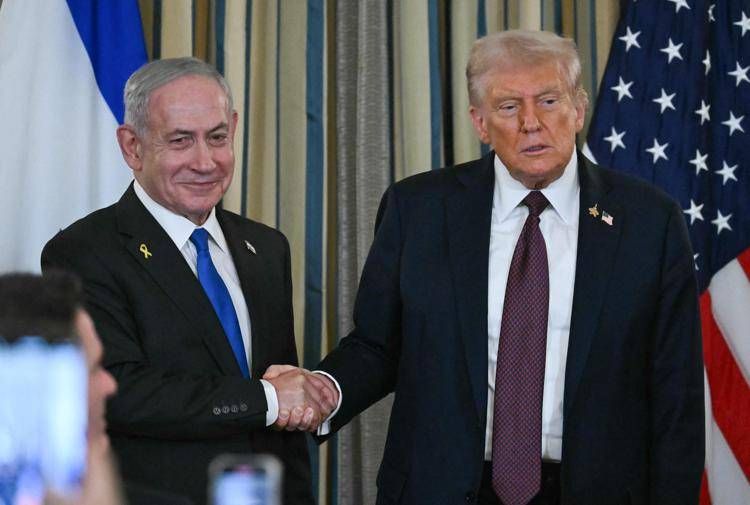
Netanyahu asks Trump to delay US attack on Iran
15 Gennaio 2026
According to U.S. officials, the Israeli prime minister urged Washington to postpone military action as diplomatic efforts reduce tensions Netanyahu...
Read More
U.S. Treasury Imposes New Sanctions on Iran for Protest Crackdown
15 Gennaio 2026
The Treasury Department targets key Iranian leaders amid ongoing demonstrations for fundamental freedoms and economic security U.S. Treasury Imposes New...
Read More

US oil strategy against China links Venezuela and Iran crises
14 Gennaio 2026
Energy geopolitics drive Washington’s moves as Trump reshapes global power balances The US oil strategy against China is increasingly shaping...
Read More

(Photo: © AndKronos)
Condividi su:


-

 Flash21 ore ago
Giallo a Lucca: donna trovata carbonizzata in un bosco vicino a Marginone
-
 News21 ore ago
Caso Garlasco: Cassazione rigetta il ricorso della Procura su Mario Venditti
-
International-News21 ore ago
Trump and the Nobel Peace Prize, the medal presented by María Corina Machado
-
 News20 ore ago
Dipendenti parlano di “gestione disinvolta” del Garante della Privacy