Italian premier meets Algerian president Tebboune to discuss regional stability and Gaza humanitarian situation Italian Prime Minister Giorgia Meloni expressed...
Read More
International-News
Russia spies on Europe from the sea
Russia spies on Europe from the sea using ghost fleet tankers and security operatives. The hybrid war sees Moscow gathering intelligence, monitoring European ports, and deploying former Wagner personnel
Russia spies on Europe from the sea, exploiting a so-called “ghost fleet” of oil tankers. Despite international sanctions, these vessels depart from the Baltic or Black Sea carrying crude oil, while also conducting surveillance missions. According to CNN, crews often include surprise additions of Russian personnel, sometimes with official passports and security or military backgrounds, who monitor operations and collect intelligence.
The ghost fleet and Moran Security
At the heart of these operations is Moran Security, led by Vyacheslav Kalashnikov, a former Russian intelligence officer. The company employs mercenaries and personnel previously affiliated with the Wagner Group and was sanctioned by the United States in 2024. Ukrainian intelligence reports indicate that the presence of such operatives on the tankers has become routine over the past six months, including photographing European military installations and overseeing ship captains to ensure compliance with Kremlin directives.
The Boracay tanker case
The Boracay tanker exemplifies the ghost fleet’s operations. Following sanctions, the ship repeatedly changed its name and flag. On 20 September, it departed Primorsk with an Asian crew and two Russian “technicians,” one a former agent with Wagner experience. Between 22–24 September, it sailed along the Danish coast during a drone disruption at Copenhagen Airport. The vessel was later intercepted off the coast of Brittany, where French authorities detained the Chinese captain for irregularities, despite the ship flying the Benin flag.
Implications for European security
According to Western sources, the ghost fleet is a key element of Russia’s hybrid warfare strategy, gathering intelligence and testing Europe’s response without direct attacks. The deployment of Russian military personnel on ostensibly commercial tankers poses a significant risk, making maritime and port security a top priority for NATO countries.
THE LATEST NEWS

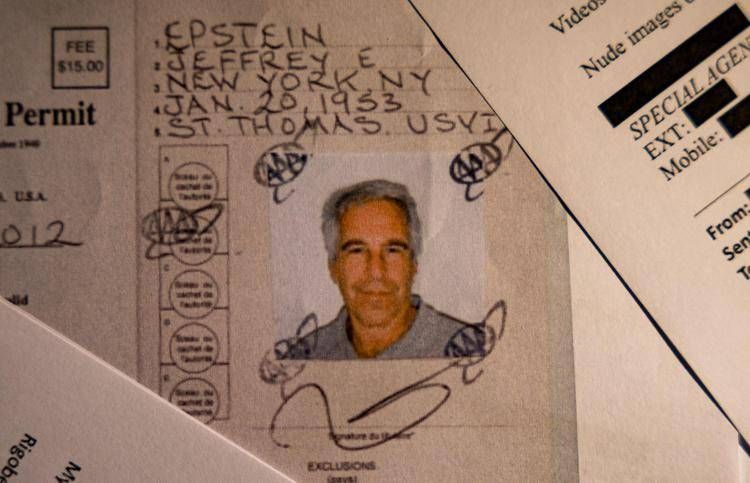
Epstein case, suspicions on guard Tova Noel before death
25 Marzo 2026
U.S. Congress summons former Manhattan jail guard over searches and cash deposits Epstein case, suspicions on guard Tova Noel before...
Read More
Ghalibaf’s role in Iran’s new phase after February 2026 crisis
24 Marzo 2026
Following Ali Khamenei’s death and external strikes, Iran’s power structure shifts, elevating the Parliament speaker as a key political figure...
Read More

Kentucky farmer rejects $26M offer for land sale to AI company
24 Marzo 2026
An 82-year-old landowner near Maysville refuses to sell farmland despite a bid far above market value A farmer in Kentucky...
Read More

Sarah Ferguson book on Epstein sparks tension with Buckingham Palace
23 Marzo 2026
A potential biography by the Duchess of York could reveal royal secrets. King Charles reportedly ready to respond A book...
Read More

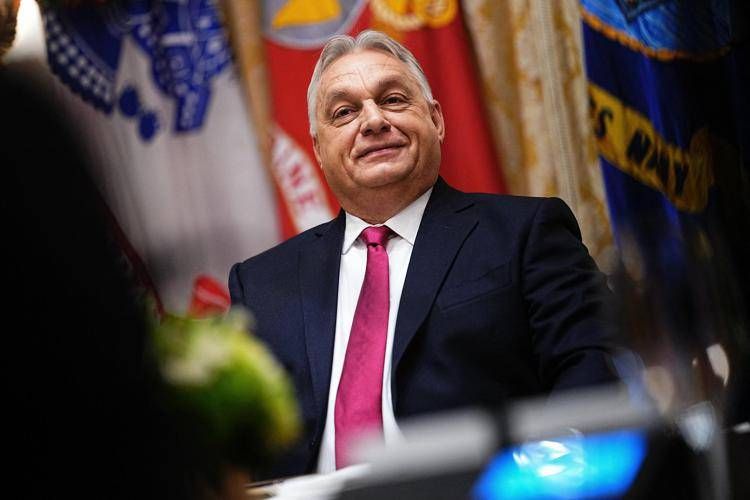
Hungary, Russian plan to boost Orban: fake assassination plot before the vote
22 Marzo 2026
According to an intelligence report, Moscow considered extreme measures to influence the election One month before the elections in Hungary,...
Read More
(Photo: © AndKronos)