Pentagon plans were prepared and briefed at the highest level, but concerns over escalation, casualties and economic fallout led to...
Read More
International-News
Europe prepares for possible war with Russia simulation shows unpreparedness
Strategic war game and security officials warn of faster Russian military readiness and potential NATO vulnerabilities
The scenario in which Europe prepares for possible war with Russia simulation shows unpreparedness is gaining attention among security analysts and political leaders. According to reporting cited by the Wall Street Journal, a strategic simulation conducted in December suggests Europe may not yet be ready to respond effectively to a potential conflict.
Security officials now consider a Russian incursion or full-scale invasion into NATO or European Union countries more plausible, amid tensions with the United States under President Donald Trump over issues including Greenland, Ukraine, and trade. Previous assessments suggested such a threat would not materialize before 2029. However, Dutch Defense Minister Ruben Brekelmans said Russia could be capable of moving large troop formations within a year, while already expanding strategic weapons and reinforcing deployments along NATO borders.
In this context, Europe prepares for possible war with Russia simulation shows unpreparedness as Russia is described as operating on a wartime economic footing. Sources cited in the report say Moscow is channeling national resources into rearmament and military recruitment beyond what is needed for the Ukraine campaign. Analysts warn a crisis could emerge before Europe’s ongoing defense investment increases translate into real operational readiness.
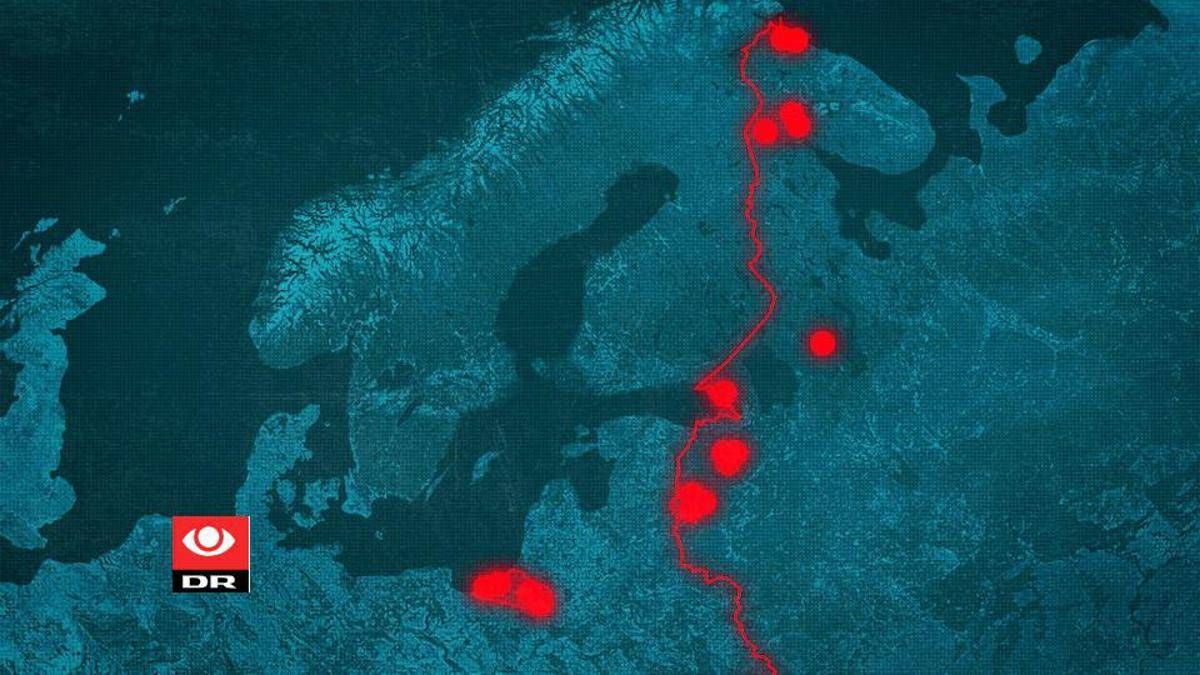
Some European officials believe Russian President Vladimir Putin aims to restore elements of the former Russian Empire, placing former Soviet territories such as Lithuania, Latvia, and Estonia at higher risk. NATO planners are also concerned about potential Russian objectives involving Baltic Sea islands belonging to Sweden, Finland, and Denmark, as well as parts of Poland and northern regions of Norway and Finland. There are also fears of hybrid attacks targeting strategic European infrastructure, including major ports such as Rotterdam.
The concerns intensified following a December war game organized by the German newspaper Die Welt together with the German Armed Forces’ Helmut Schmidt University war gaming center. The exercise simulated a Russian incursion into Lithuania and triggered intense debate within European security circles even before results were published.
The simulation involved 16 former senior NATO and German officials, lawmakers, and security experts, modeling a crisis scenario set in October 2026. The German side was represented by former CDU Secretary General Peter Tauber acting as federal chancellor, CDU lawmaker Roderich Kiesewetter as defense minister, and former German armed forces inspector general Eberhard Zorn. The opposing team included Russia expert Alexander Gabuev acting as Russian president and former German foreign intelligence deputy chief Arndt Freytag von Loringhoven as Russian foreign minister.
Within the simulation, Russia used a humanitarian crisis narrative in Kaliningrad to justify seizing the Lithuanian city of Marijampole, a key logistical hub connecting the highway to Poland and the Suwalki corridor between Belarus and Kaliningrad. The scenario assumed the United States would decline to trigger NATO’s Article 5 collective defense clause, while Germany hesitated and Poland mobilized forces without crossing into Lithuania. Russian drones were also used to deploy mines around German military positions, limiting mobility.
Military analyst Franz-Stefan Gady, who played the Russian chief of staff in the exercise, said deterrence depends not only on military capability but also on perceived political will. In the scenario, Russia undermined NATO credibility within days using an initial force of about 15,000 troops.
Polish analyst Bartłomiej Kot said the simulation showed how Russian escalation narratives can influence Western decision-making. Lithuanian defense officials stressed that in reality intelligence warnings would likely reduce such risks, but analysts still warn of opportunistic strategies by Moscow.
Former German defense official Nico Lange said Russia could test NATO unity even without overwhelming military force, particularly if the goal is to undermine confidence in Article 5 protections. Norwegian defense academic Lt. Col. Amund Osflaten noted that Russia would likely favor fast operations to secure defensible positions rather than prolonged warfare.
According to participants, hybrid tactics combined with humanitarian pretexts could be central to future operations. In this broader geopolitical context, Europe prepares for possible war with Russia simulation shows unpreparedness remains a scenario increasingly discussed among Western defense planners.
THE LATEST NEWS
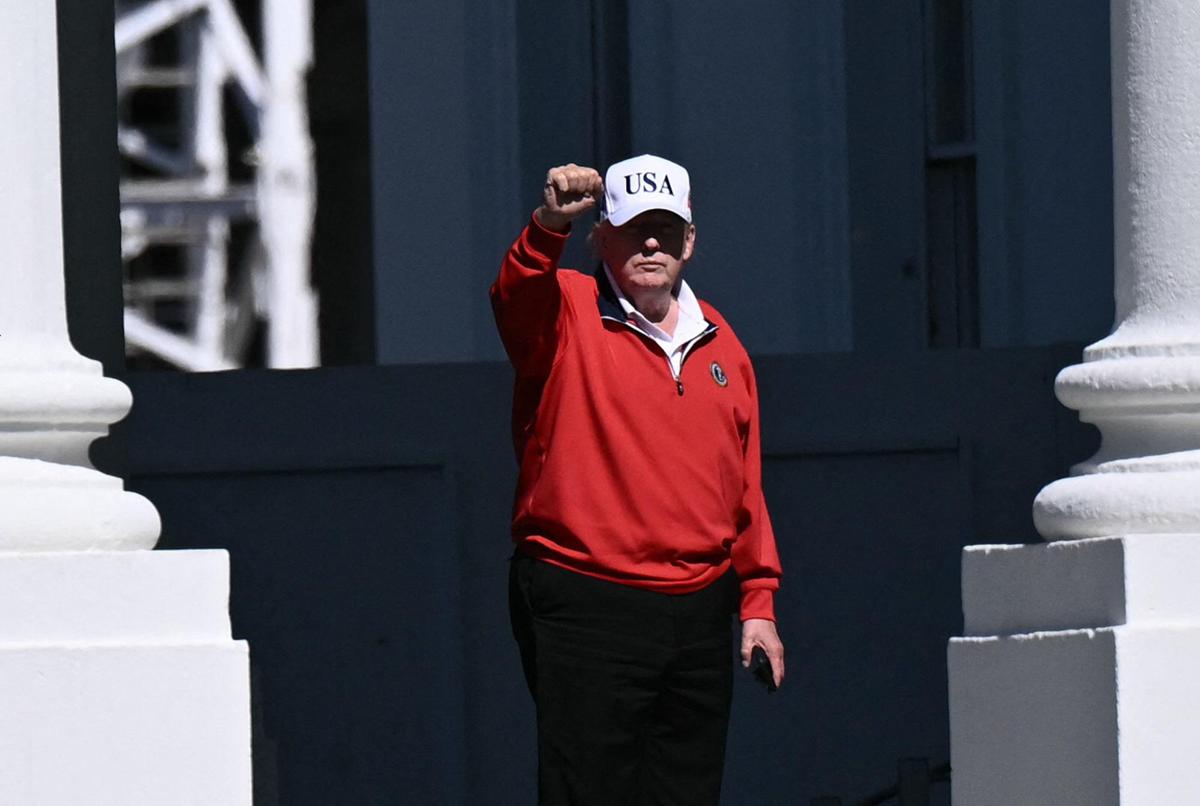
The United States-Iran ceasefire memorandum: Geneva Lake possible signing
13 Giugno 2026
Negotiations continue over location and conditions as diplomatic framework advances between Washington and Tehran Lake Geneva is being considered as...
Read More
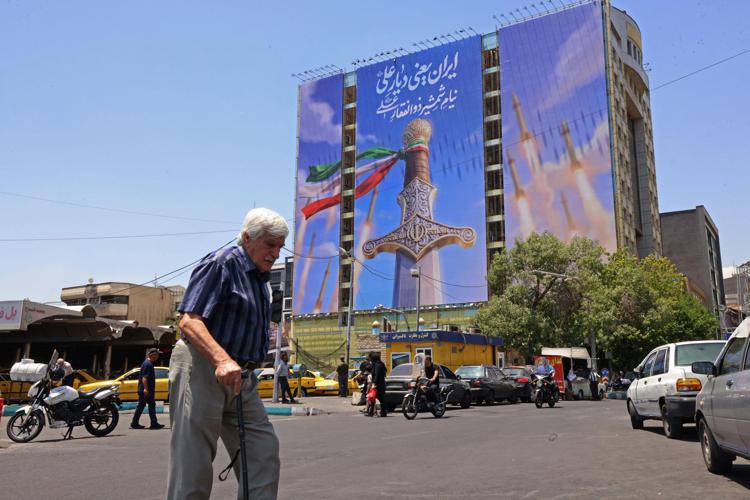
Trump Claims US–Iran Deal Reached as Markets React With Caution
11 Giugno 2026
The US president announces on Truth Social that strikes against Iran have been cancelled after an alleged agreement involving multiple...
Read More
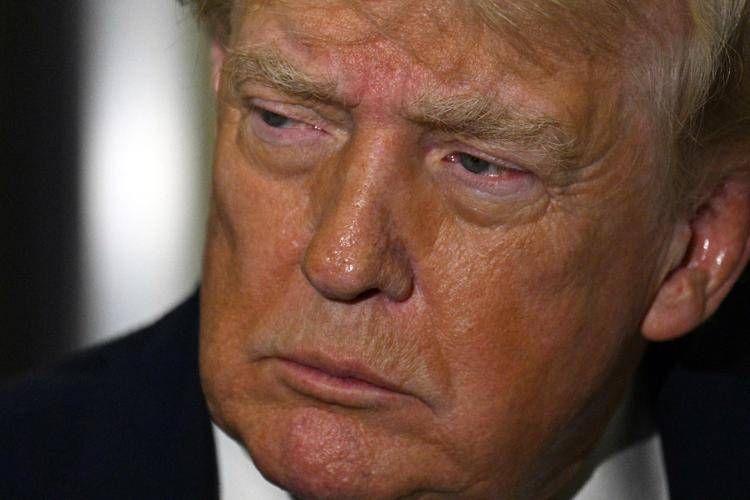
Trump Signals Continued Military Pressure on Iran Amid Fragile Negotiations Over Nuclear Deal and Oil Assets
11 Giugno 2026
U.S. President Donald Trump reiterates threats of sustained strikes and strategic pressure on Iran while diplomatic channels remain open over...
Read More

Bill Gates Testifies in Jeffrey Epstein Inquiry, Denies Knowledge of Crimes
10 Giugno 2026
Bill Gates told the U.S. House Oversight Committee he had no awareness of Jeffrey Epstein’s criminal activity and called their...
Read More
Russia prepares for possible NATO conflict in Northern Europe
10 Giugno 2026
A joint Nordic investigation points to a structural military buildup along Russia’s northern frontier, with a potential one-to-three-year window of...
Read More
(Photo: © AndKronos)