

Filmmaker and Radiohead guitarist challenge the use of a Phantom Thread score track in an Amazon-produced film Anderson and Greenwood...
Read More
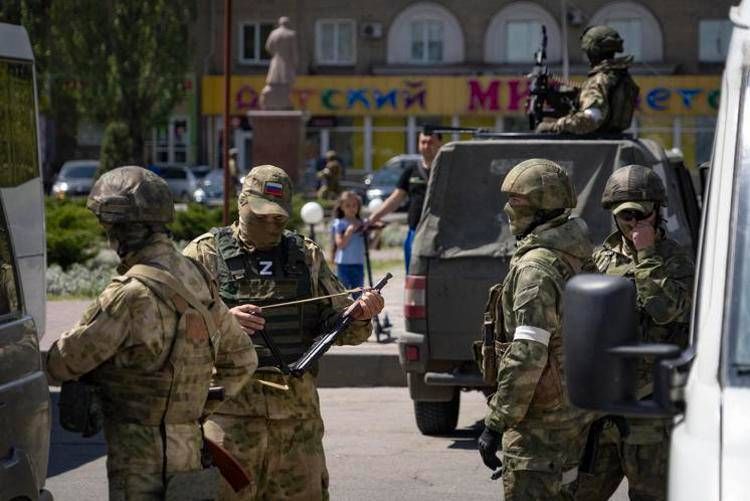
Moscow has burned through Soviet reserves: more weapons from China, North Korea and Iran
-
Video shock, poliziotto aggredito negli scontri di Torino
-

Alberto Trentini e Mario Burlò sono in Italia dopo la liberazione VIDEO
-
Overnight explosions in Caracas hit military area, widespread power outages reported VIDEO
-


Attacco Usa in Nigeria contro l’Isis, Trump: “Risposta al massacro di cristiani” VIDEO

According to the Kyiv School of Economics, Russia is halving its domestic supplies and relying increasingly on external suppliers, including Pyongyang, Tehran and even Beijing
With its large-scale invasion of Ukraine, Russia has significantly depleted its vast stockpiles of Soviet-era weapons. According to a new analysis by the Kyiv School of Economics Institute (KSE), shipments from major Russian depots will fall from a peak of 242,000 tonnes in 2022 to 119,000 tonnes in 2025. ‘Russia is sending fewer materials for refurbishment and repair than we know the workshops can handle. The best quality and easily repairable equipment would have been the first to be moved,’ Pavlo Shkurenko, an analyst at the KSE Institute, told the Financial Times.
Since the beginning of the conflict, Moscow has sought to repurpose decommissioned equipment, such as T-72 and T-80 tanks dating back to the 1970s, and even T-54s from the 1940s, for front-line use. However, some military experts warn that the reduction in deliveries should not be interpreted as a sure sign of the Russian forces’ loss of effectiveness. According to sources cited by the Financial Times, Russian tactics have evolved to make more limited use of armoured vehicles, and Moscow is also rebuilding its stocks through new investments.
The KSE report also points to Russia’s growing dependence on its Asian allies, with the defence industry receiving key supplies from China and the armed forces relying heavily on North Korean ammunition. In 2024, approximately 52% of shipments labelled as “explosive materials” destined for Russian arsenals came from Nakhodka, a port city on the Sea of Japan used by Pyongyang. Such shipments rose from zero before the invasion to 250,000 tonnes per year.
This assessment is consistent with recent statements by the head of Ukrainian military intelligence, Kyrylo Budanov, that North Korea supplied 40% of the ammunition used by Russia. According to Budanov, Moscow plans to spend approximately $1.1 trillion over the next 11 years on rearmament, preparing for a prolonged conflict.
South Korean intelligence has also confirmed that Pyongyang has shipped at least 28,000 containers to Russia, containing ammunition, howitzers, ballistic missiles and even troops. The KSE report also reveals that approximately 13,000 tonnes of explosive materials are believed to have arrived from Iran, tracked through analysis of logistics entry points located near the Caspian Sea.
THE LATEST NEWS
Germany rejects Macron proposal for new EU joint debt plan
10 Febbraio 2026
Germany rejects Macron proposal for new EU joint debt plan ahead of an EU summit, citing productivity concerns and budget...
Read More
FBI releases images of suspect in Nancy Guthrie disappearance case
10 Febbraio 2026
FBI releases images of suspect in Nancy Guthrie disappearance case. Photos show a hooded person outside her Tucson home as...
Read More

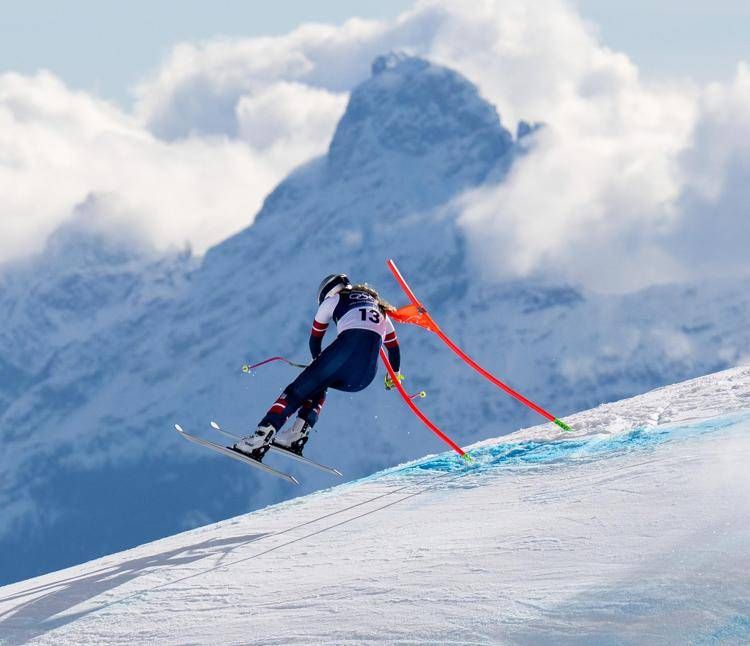
Lindsey Vonn suffers serious leg injury in Milan-Cortina Olympics downhill
8 Febbraio 2026
The 41-year-old American ski star underwent surgery in Treviso after a crash during the Olympic downhill event on February 8...
Read More
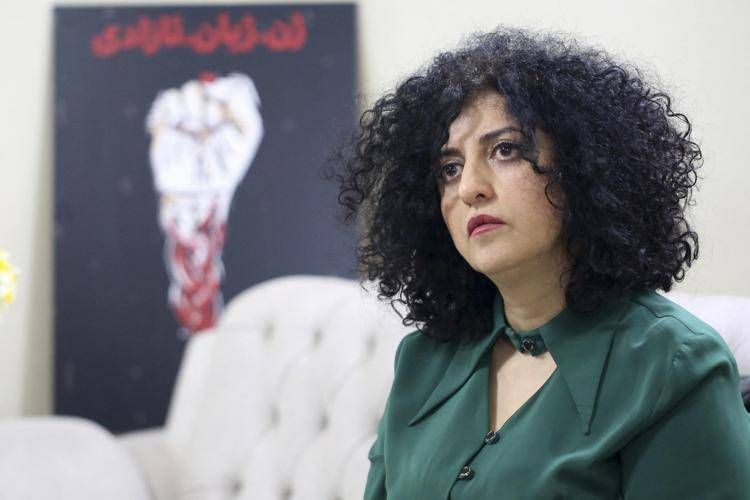
New sentence for Narges Mohammadi after new charges in Iran
8 Febbraio 2026
The 2023 Nobel Peace Prize winner receives additional prison time and restrictions The new sentence for Narges Mohammadi after new...
Read More
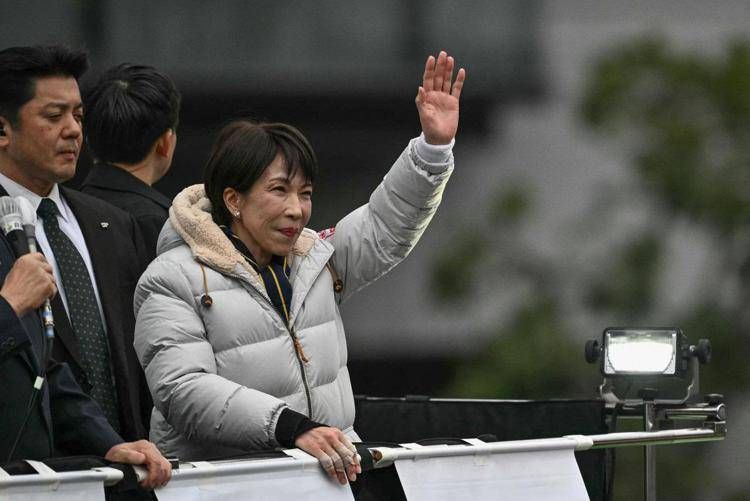
Triumph of PM Takaichi’s party in Japan snap election
8 Febbraio 2026
Exit polls point to a strong victory for the ruling coalition in the lower house vote The triumph of PM...
Read More
(Photo: © AndKronos)
Condividi su:


-

 News20 ore ago
Sospensione delle bollette per il ciclone Harry nelle regioni colpite
-
 International-News9 ore ago
Anderson and Greenwood seek removal of music from Melania documentary
-
 Primo Piano22 ore ago
Il Giorno del Ricordo e le commemorazioni delle foibe in Italia
-
 News12 ore ago
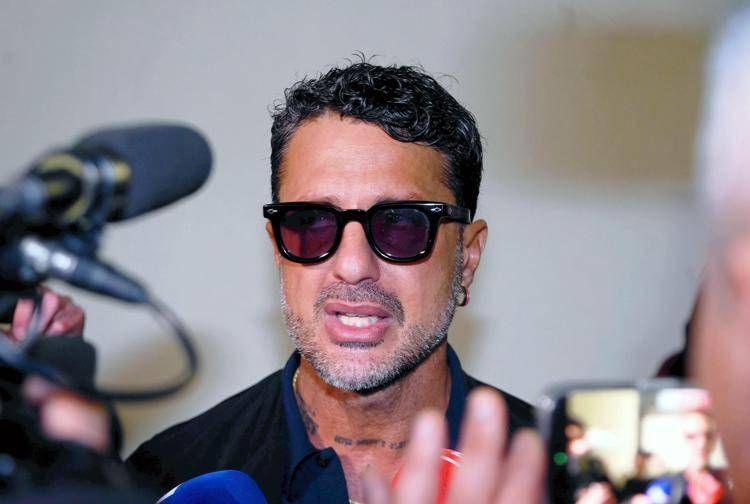
Denuncia per Fabrizio Corona: non rispettato divieto di pubblicare su Signorini