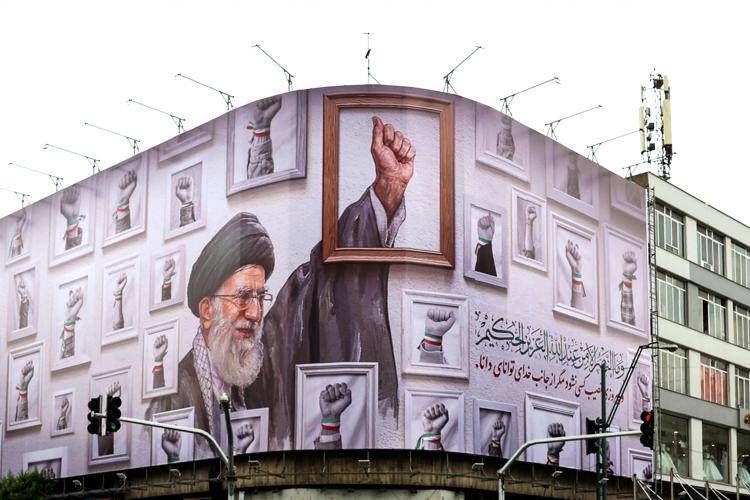
Classified briefings to Congress outline a resilient missile capability despite White House claims “The Iran is wiped out.” That is...
Read More
International-News
Trump imposes tariffs, Europe risks paying the highest price: exports down and less investment
📰 LiberoReporter su Google News
Segui tutte le notizie senza perderne una
SEGUI ORA →
Segui tutte le notizie senza perderne una
The agreement with the United States is not final but already has lasting effects: according to ISPI, Italy could lose up to 0.2% of its GDP. Calenda: ‘Extortionate submission, a disastrous choice’
Europe risks paying a high – and lasting – price for the tariffs imposed by the United States under the Trump presidency. The agreement reached to introduce 15% tariffs on European goods imported into the US is not yet final, but it has already begun to produce systemic effects that are likely to have a greater long-term impact than the simple arithmetic figures linked to price increases.
The underlying logic is simple: markets adapt to new conditions by structurally cutting quotas and investments. Quotas that are then difficult to recover, and capital that – once diverted elsewhere – does not easily return. The real risk for Europe is a permanent deterioration in trade with the United States.
Carlo Calenda, former Minister of Economic Development and now leader of Azione, is also of this opinion, and he does not mince his words: “It is a disastrous solution, which will result in Europe’s submission and vassalage to Trump’s extortionate agreement, damaging productive sectors with long-lasting effects”.
Behind the political judgement lies a worrying economic analysis. According to ISPI, the tariffs will have a stronger impact on countries such as Germany and Italy, whose economies depend heavily on exports to the United States. With tariffs at 15%, German GDP would slow by almost 0.3 percentage points, while Italian GDP would lose around 0.2%. France would be less affected, with an impact of around 0.1%.
But the picture is even more complex. The depreciation of the dollar against the euro acts as an implicit tariff, forcing European exporting companies to make a choice: either reduce prices (and margins) or lose competitiveness. In real terms, the effective tariff could be close to 30%. According to leading macroeconomic models, this would cause European exports to the US to contract by between 25% and 30%.
Added to this is the difficulty of finding alternative markets. In theory, the European Union should seek to diversify its outlets, but the reality is more complicated. New trade agreements require time and complex negotiations. Furthermore, in a context of generalised tariffs, all the countries affected are seeking new outlets at the same time, generating a phenomenon known as “trade diversion”: the diversion of trade towards saturated and hyper-competitive markets.
The result? More competition in the few remaining spaces, reduced margins, declining investment. And a Europe that finds itself without an autonomous trade strategy, held hostage by unilateral decisions imposed by Washington and accepted without effective negotiation by Brussels. A combination of factors that makes the damage not only serious, but also structural.
THE LATEST NEWS
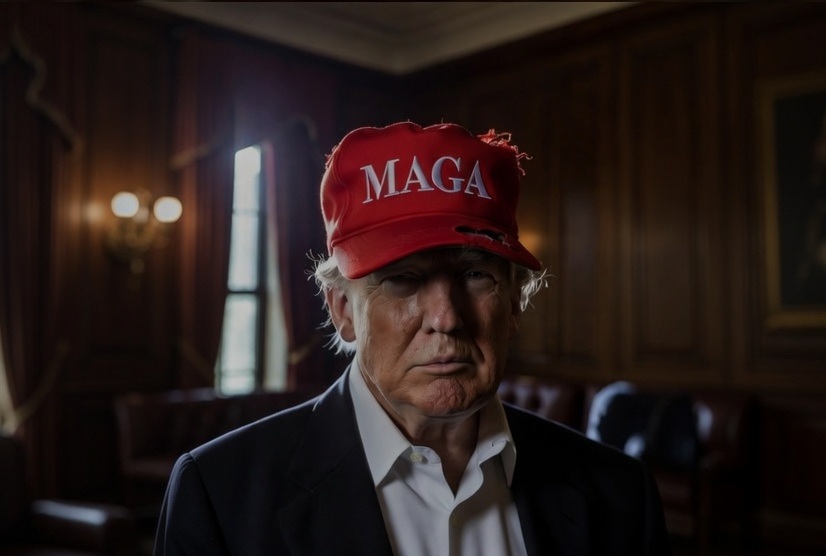
Iran still a threat despite Trump claims, intelligence says
13 Maggio 2026
U.S. intelligence assessments contradict the president’s narrative of a weakened Tehran. “The Iran has been obliterated,” Donald Trump has said...
Read More
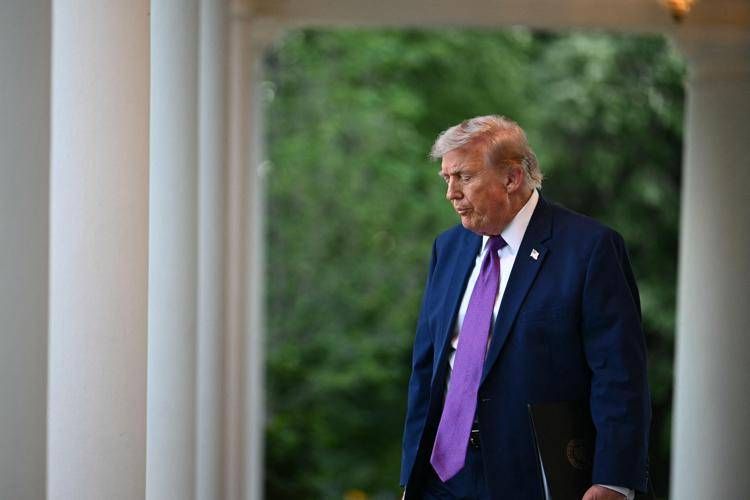
U.S. jet strikes Iranian oil tankers in the Gulf of Oman
8 Maggio 2026
Military action targets vessels accused of breaching a naval blockade before reaching Iranian ports U.S. jet strikes Iranian oil tankers...
Read More
Ryanair CEO calls for airport alcohol ban before morning flights
6 Maggio 2026
Michael O’Leary urges restrictions after surge in disruptive passengers, citing daily diversions linked to alcohol abuse Ryanair CEO calls for...
Read More

Iran strikes US bases expose wider damage than reported
6 Maggio 2026
A Washington Post analysis based on satellite imagery challenges Trump’s claims and details extensive strikes across US installations in the...
Read More
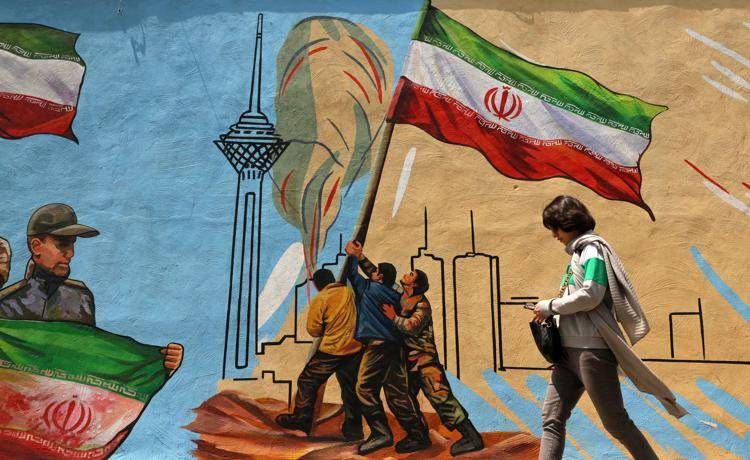
US–Iran preliminary memorandum to end war nears agreement
6 Maggio 2026
A 14-point draft outlines a ceasefire framework and 30-day talks on Iran’s nuclear program, sanctions relief, and maritime security The...
Read More
(Source and photo: © AndKronos)