Israeli military source warns outcome hinges on removing Iran’s enriched uranium reserves An Israeli military source has warned that the...
Read More
International-News
US ready to offer $30 billion and lighter sanctions to stop Iran’s nuclear programme
Despite the raids and the war with Israel, Tehran and Washington keep the dialogue channel open. The US proposal involves civilian investments and unfrozen funds
The United States is offering $30 billion in aid, lighter sanctions and unfrozen funds in the hope of bringing Iran back to the negotiating table and stopping its uranium enrichment programme. This is according to CNN, which reports that the Trump administration has drawn up a preliminary draft proposal presented in recent days to a delegation of Arab Gulf countries tasked with mediating with Tehran.
The dialogue between Washington and the Islamic Republic, although slowed down by the war with Israel and US raids on the nuclear sites of Fordow, Natanz and Isfahan, has never been interrupted. The American proposal, discussed at a meeting held on Friday 20 June at the White House, provides for economic and strategic incentives. These include a civil nuclear programme financed by the US’s Arab partners, with a possible alternative plant to Fordow, now unusable after the bombings.
‘We want to start talks, but we will not be financing the project,’ an American source told CNN. The proposal also includes access to $6 billion in frozen funds and the easing of some sanctions if Tehran agrees to abandon its military nuclear ambitions.
White House special envoy Steve Witkoff confirmed to CNBC the commitment to a ‘comprehensive peace agreement,’ clarifying that Trump’s priority remains to prevent Iran from developing nuclear weapons. ‘There are signs of willingness to engage in dialogue,’ Witkoff said, hinting that new contacts could take place in the coming days.
President Trump, however, has scaled back expectations: ‘If there is an agreement, fine. If there isn’t, it’s not a problem,’ he said in recent days, maintaining a wait-and-see attitude.
The Iranian reaction has been much more critical. Foreign Minister Abbas Araghchi accused the United States of aggravating the crisis with the raids and compromising any path to negotiation: ‘The Iranian nuclear issue was on track for a peaceful solution. Now, with war and casualties, it is no longer easy to reach an agreement,’ he said on television, stressing that American mistakes have made everything ‘more complex and difficult.’
THE LATEST NEWS
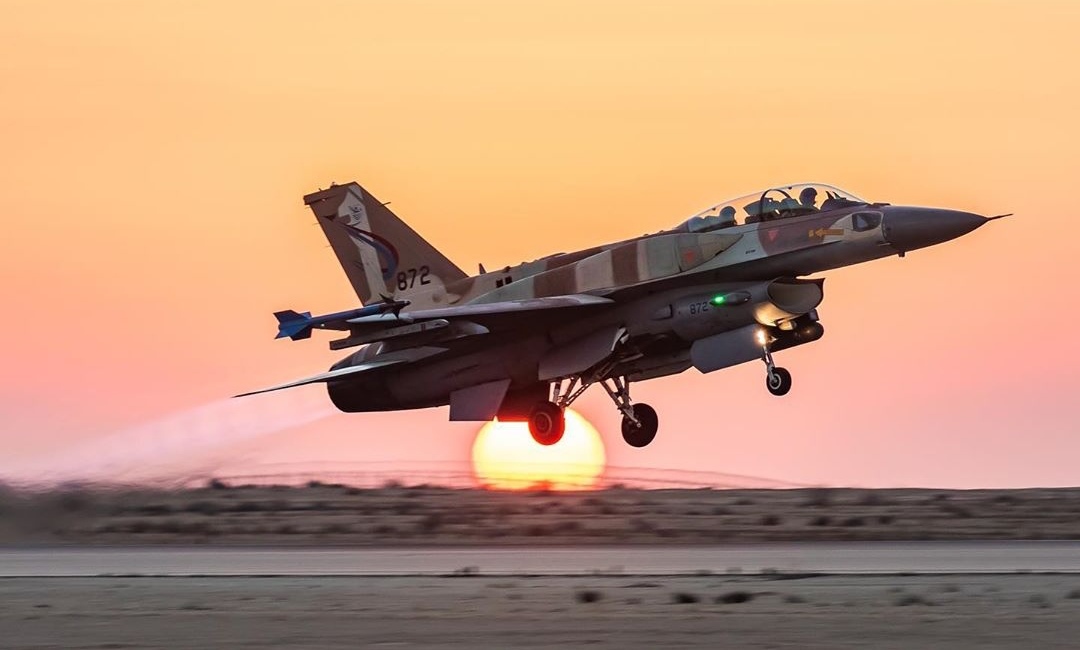
Africa Corps retreat from Kidal marks setback in Mali
28 Aprile 2026
Russian-backed paramilitary forces pull out after coordinated attacks by jihadists and Tuareg rebels across northern Mali The Africa Corps retreat...
Read More
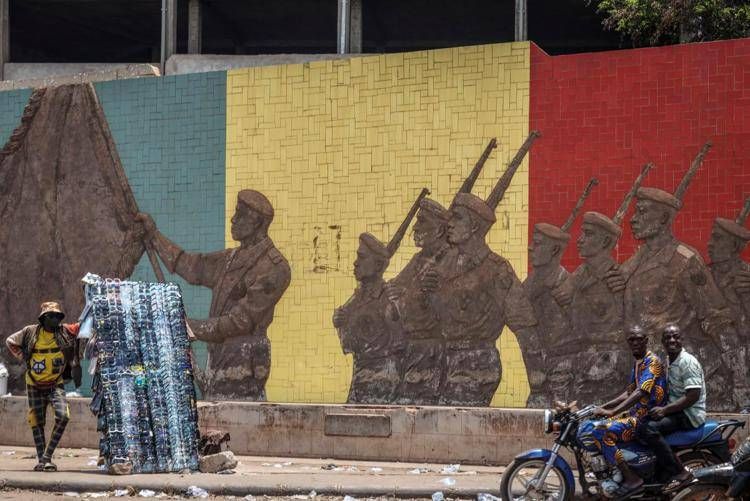
Russian oligarch yacht Nord crosses Strait of Hormuz
28 Aprile 2026
Luxury vessel linked to Alexey Mordashov sails through strategic waterway despite naval restrictions by Iran and the United States The...
Read More

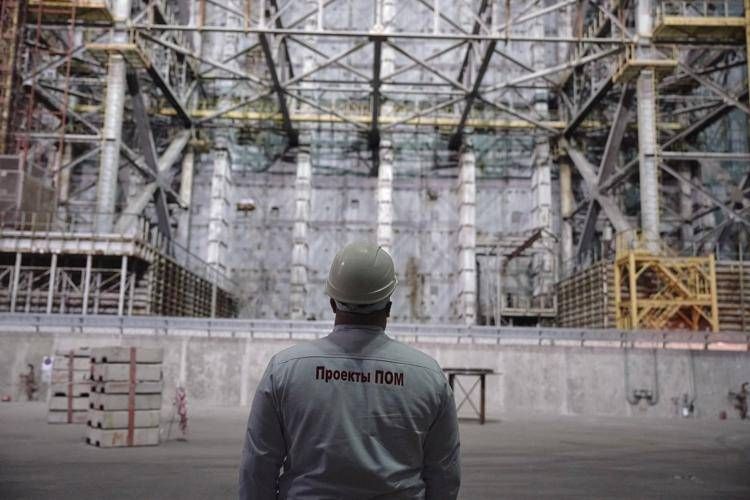
Chernobyl Disaster at 40: Radiation Legacy and New Nuclear Tensions
26 Aprile 2026
The 1986 reactor explosion remains the worst nuclear accident in history, while the site continues to face modern security risks...
Read More
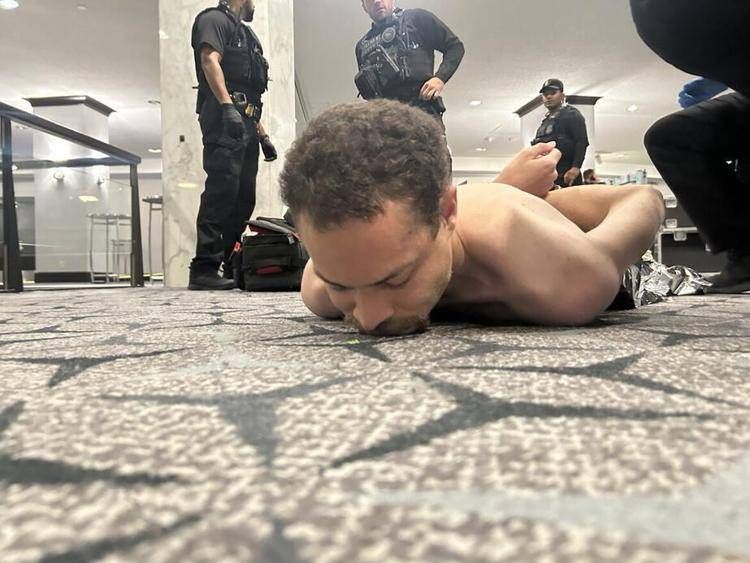
Trump posts suspect image after Washington shooting arrest
26 Aprile 2026
President says attacker acted alone; FBI urges public to share information as investigation expands. Donald Trump shared on Truth Social...
Read More
US Special Forces Soldier Arrested Over Maduro Operation Insider Trading Scheme
24 Aprile 2026
Federal prosecutors say the servicemember used classified intelligence tied to “Operation Absolute Resolve” to place high-stakes bets on Polymarket, netting...
Read More
(Photo: © AndKronos)