

Filmmaker and Radiohead guitarist challenge the use of a Phantom Thread score track in an Amazon-produced film Anderson and Greenwood...
Read More
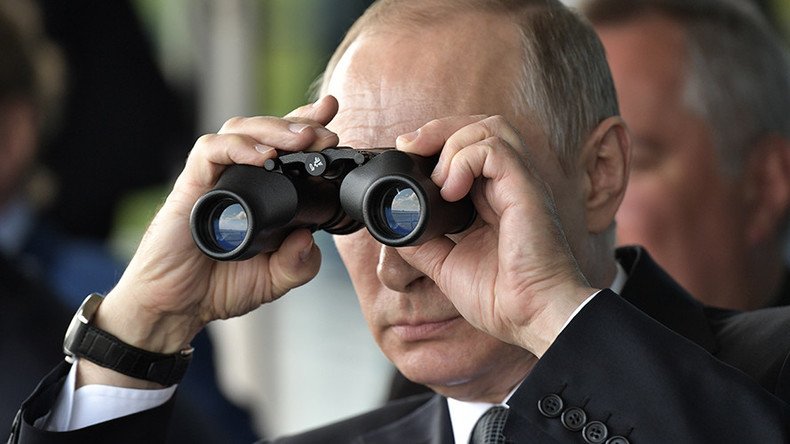
Have sanctions against Russia worked? An analysis between myth and reality
-
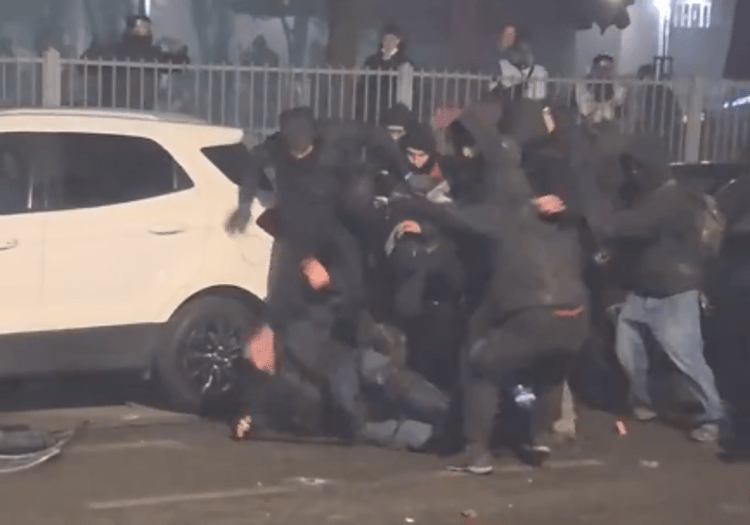
Video shock, poliziotto aggredito negli scontri di Torino
-

Alberto Trentini e Mario Burlò sono in Italia dopo la liberazione VIDEO
-
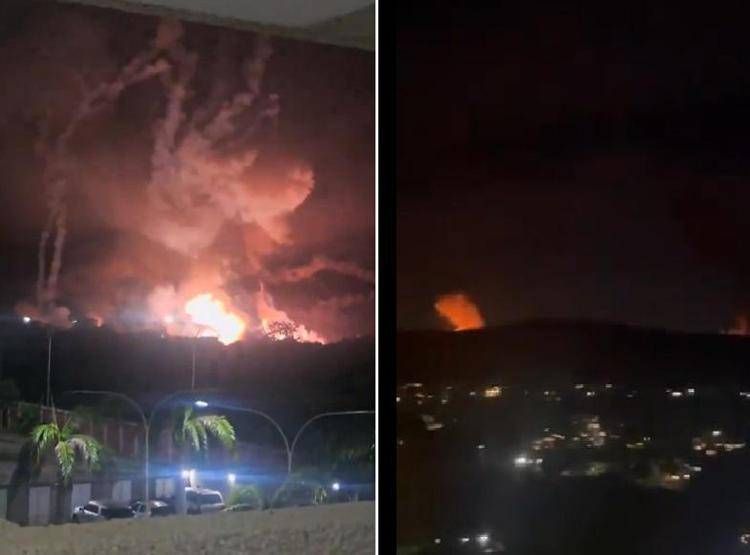
Overnight explosions in Caracas hit military area, widespread power outages reported VIDEO
-


Attacco Usa in Nigeria contro l’Isis, Trump: “Risposta al massacro di cristiani” VIDEO

Two years after the start of the conflict in Ukraine, the impact of Western sanctions is controversial: has Moscow really been weakened or has it managed to circumvent them?
Since February 2022, the European Union, the G7 and the United States have adopted over 13,000 restrictive measures against Russia in an attempt to hit its economy, isolate it financially and undermine its ability to sustain the war effort in Ukraine. However, more than two years later, the debate remains heated: have the sanctions really worked?
The effect on energy revenues
The primary objective of the sanctions was to reduce Russia’s revenues from energy exports. Oil and gas revenues accounted for over 40% of Russia’s federal budget in 2021. With the European embargo on oil by sea and the introduction of price caps, the aim was to limit Russia’s profit margin. However, Moscow was able to redirect exports to countries such as China and India, selling crude oil at a discount but maintaining high volumes. The result? Energy revenues declined in 2023 but rose again in 2024 thanks to higher international prices and the circumvention of the imposed caps.
Ruble, inflation and industrial capacity
In the first year of sanctions, the rouble showed signs of resilience, thanks in part to internal capital controls and the requirement for exporting companies to convert a portion of their revenues into the national currency. However, since 2023, the picture has changed: the currency has weakened steadily, inflation has risen above 7% and the Central Bank has had to raise rates to 16%. Increasing military spending has supported industrial production, but at the cost of a growing imbalance in public finances.
Evasion and triangulation: the issue of “buffer countries”
One of the biggest problems with the sanctions regime is its evasion. Technological goods subject to embargoes often entered Russia through third countries: Armenia, Turkey, Kazakhstan, Kyrgyzstan and Georgia saw a boom in exports to Moscow, often in sectors such as electronic components and precision mechanics. The EU has tried to counter this phenomenon with new rules against re-exportation, but the results are still partial.
The paradox of European exports
Another significant fact is that, despite the sanctions, in 2024 some European companies continued — directly or indirectly — to do business with Russia. This was particularly the case in “non-strategic” sectors or through local joint ventures that were not formally sanctioned. Trade has changed, but it has not collapsed.
The social and political stability of the regime
One of the most anticipated effects of the sanctions was a possible internal destabilisation of the regime. But so far, the Kremlin has maintained political control. The repressive apparatus, patriotic rhetoric and control over the media have prevented mass protests. On the contrary, the system has adapted, leveraging economic nationalism and new global alliances.
Effective, but not decisive
The sanctions have affected the Russian economy, slowing it down and forcing it to redefine its priorities. They have limited access to advanced technologies, compressed energy profit margins and weakened the rouble. However, they have not caused a collapse, nor have they stopped the war machine. Russia has shown greater economic resilience than expected, thanks in part to a global network of circumvention and the availability of new trading partners. Sanctions, therefore, work, but they are not enough on their own.
THE LATEST NEWS
Germany rejects Macron proposal for new EU joint debt plan
10 Febbraio 2026
Germany rejects Macron proposal for new EU joint debt plan ahead of an EU summit, citing productivity concerns and budget...
Read More
FBI releases images of suspect in Nancy Guthrie disappearance case
10 Febbraio 2026
FBI releases images of suspect in Nancy Guthrie disappearance case. Photos show a hooded person outside her Tucson home as...
Read More

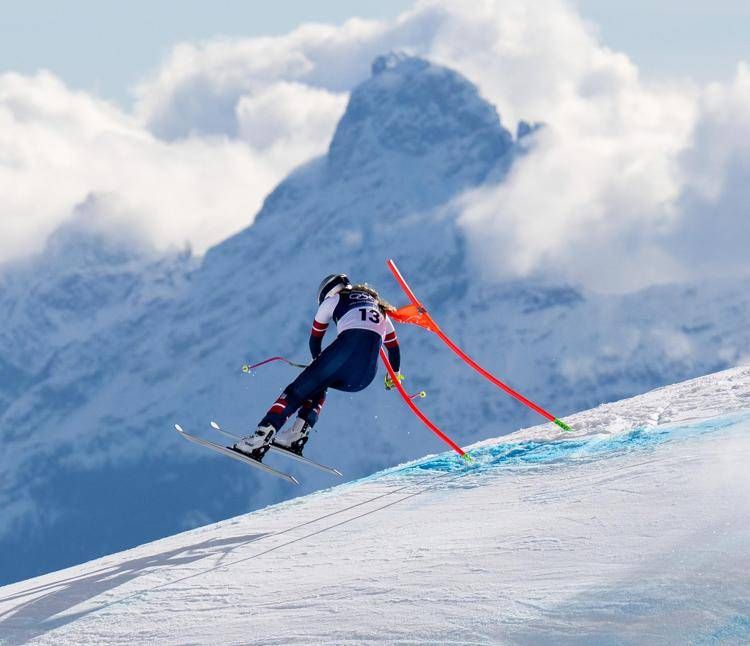
Lindsey Vonn suffers serious leg injury in Milan-Cortina Olympics downhill
8 Febbraio 2026
The 41-year-old American ski star underwent surgery in Treviso after a crash during the Olympic downhill event on February 8...
Read More
New sentence for Narges Mohammadi after new charges in Iran
8 Febbraio 2026
The 2023 Nobel Peace Prize winner receives additional prison time and restrictions The new sentence for Narges Mohammadi after new...
Read More

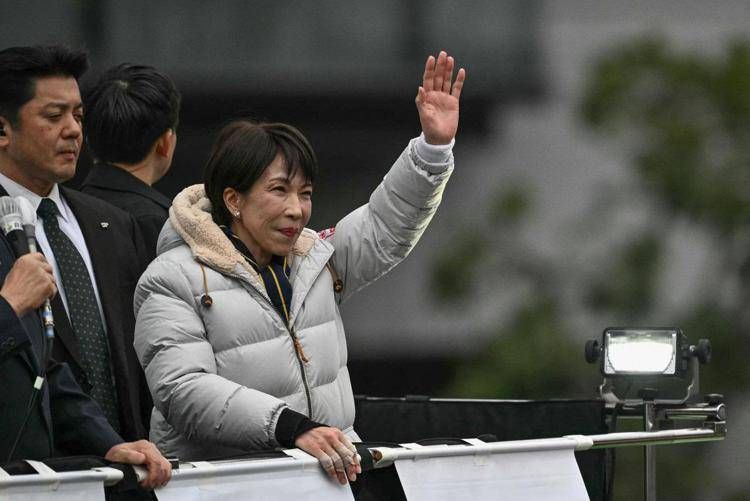
Triumph of PM Takaichi’s party in Japan snap election
8 Febbraio 2026
Exit polls point to a strong victory for the ruling coalition in the lower house vote The triumph of PM...
Read More
(Source: AndKronos)
Condividi su:


-

 News16 ore ago
Sospensione delle bollette per il ciclone Harry nelle regioni colpite
-
 Primo Piano19 ore ago
Il Giorno del Ricordo e le commemorazioni delle foibe in Italia
-
 Primo Piano18 ore ago
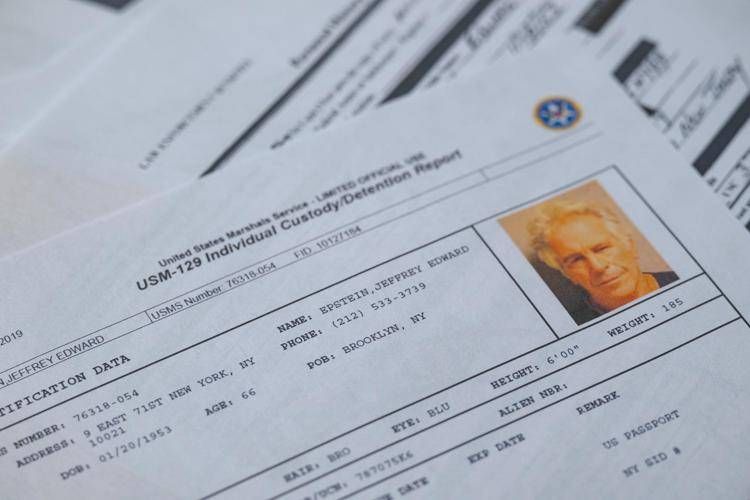
Documenti su Jeffrey Epstein e i contatti con la Russia: cosa emerge
-
 International-News6 ore ago
Anderson and Greenwood seek removal of music from Melania documentary