The U.S. president signals a narrow diplomatic window for Tehran while warning that a large-scale attack remains possible if negotiations...
Read More
International-News
Russia sanctions tighten: EU and US target energy and finance
📰 LiberoReporter su Google News
Segui tutte le notizie senza perderne una
SEGUI ORA →
Segui tutte le notizie senza perderne una
Brussels launches its 19th sanctions package against Moscow, while Washington strikes Rosneft and Lukoil. Pressure mounts for a ceasefire in Ukraine
Russia sanctions remain a divisive tool. While they aim to pressure Vladimir Putin into halting the war in Ukraine, the debate continues over their actual impact. Some argue Moscow’s economy is suffering; others claim the sanctions are blunt instruments that hurt Europe more than Russia.
This week, the European Union unveiled its 19th sanctions package, while the US Treasury announced fresh measures targeting Russia’s oil giants. Rosneft and Lukoil are now in Washington’s crosshairs, accused of obstructing peace efforts in Ukraine.
Trump’s sanctions strategy: symbolism and leverage
In Donald Trump’s foreign policy, Russia sanctions serve a dual purpose. They’re not just punitive—they’re symbolic, akin to tariffs. Economic pressure becomes a bargaining chip, strengthening the West’s negotiating position. When deployed simultaneously by both sides of the Atlantic, the sanctions form a tighter grip around Moscow and its global network of evasive manoeuvres.
EU targets gas, shadow fleet and financial networks
The latest EU sanctions strike at Russia’s remaining unsanctioned assets. A phased ban on liquefied natural gas (LNG) imports is the headline measure: short-term contracts must be terminated within six months, while long-term deals have until 1 January 2027.
The Kremlin’s shadow fleet also faces new restrictions. An additional 117 vessels have been blacklisted, bringing the total to 558. Financially, five Russian banks are now fully barred from transactions. Restrictions have also been extended to electronic payment systems and banks in Belarus and Kazakhstan.
Further measures prohibit European operators from engaging with nine Russian special economic zones and ban reinsurance for Russian aircraft and ships sold to third countries within five years of purchase.
Cracking down on sanctions evasion
The EU is sharpening its tools to combat sanctions evasion. Forty-five new entities have been identified, including 17 outside Russia. Export bans now cover more industrial goods and sensitive items. European firms have been granted an extra year to divest from Russia, with the aim of winding down commercial operations entirely.
Russia sanctions – political unity remains the missing piece
Russia sanctions are only as effective as the political will behind them. A transatlantic alignment appears to be forming, but much hinges on Trump’s intentions. His stance on Moscow and the Ukraine conflict has often been ambiguous, casting doubt on the long-term coherence of Western pressure.
THE LATEST NEWS
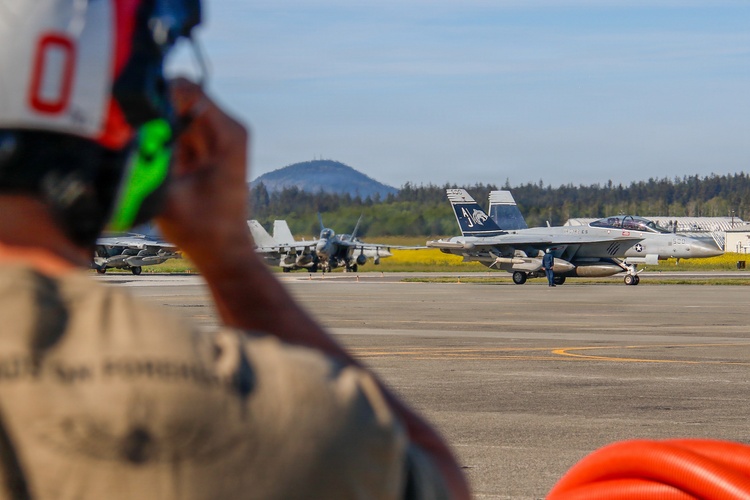
IDF orders evacuation of 12 southern Lebanon towns ahead of strikes on Hezbollah
19 Maggio 2026
Israeli military warns residents to move at least one kilometer away, citing renewed ceasefire violations and imminent air raids targeting...
Read More
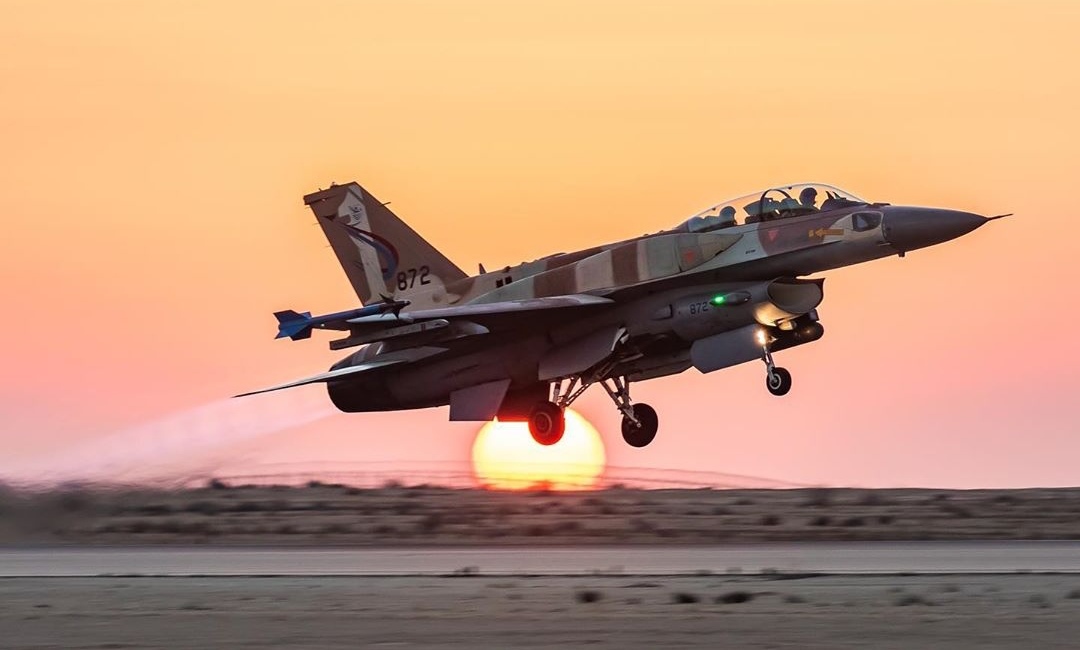
US Considers Military Scenario Against Cuba as Tensions Rise
19 Maggio 2026
According to Politico, Washington is broadening its strategic debate on Cuba beyond sanctions, with military options now reportedly under review...
Read More
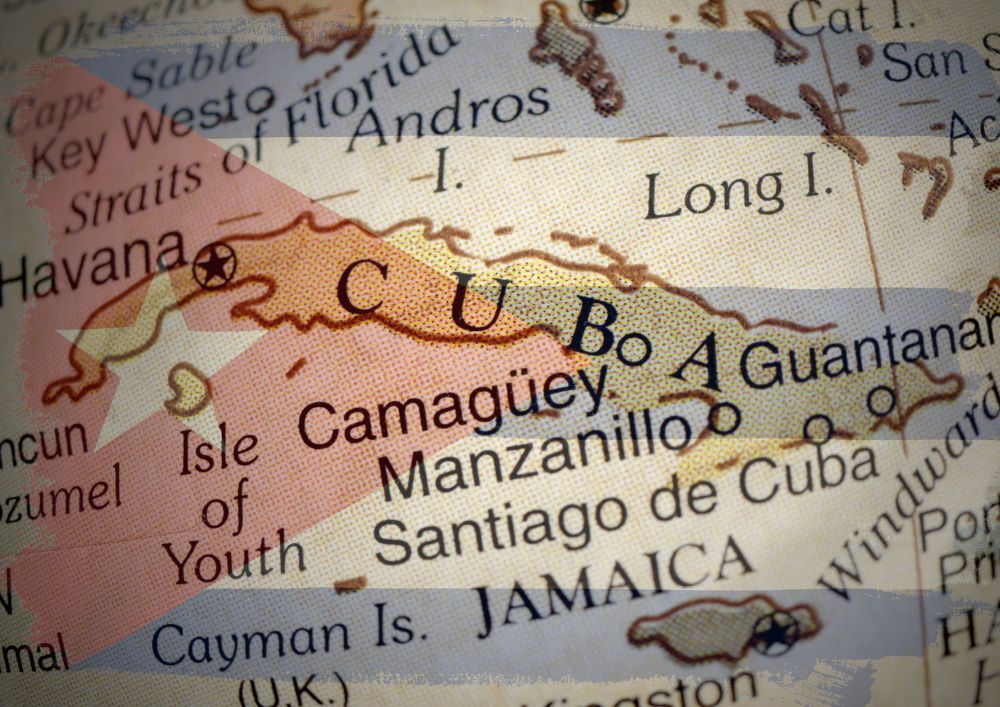
Elon Musk loses OpenAI lawsuit in federal court in Oakland
18 Maggio 2026
A federal jury in Oakland rules that Elon Musk’s claims against OpenAI, Sam Altman, Greg Brockman and Microsoft are time-barred,...
Read More
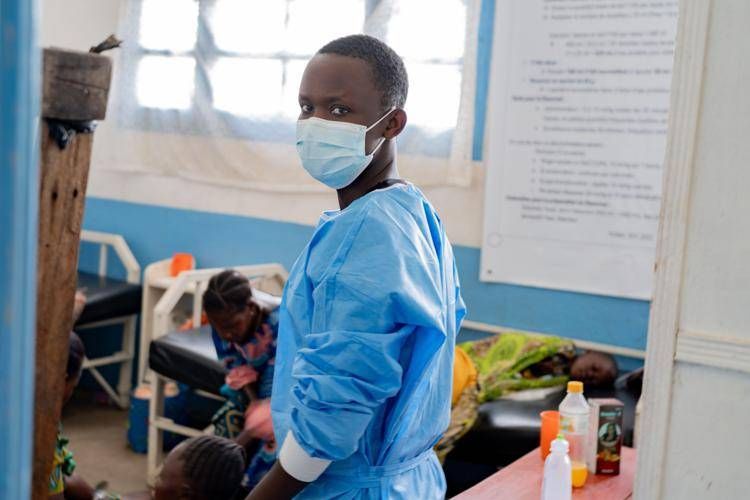
Ebola outbreak declared public health emergency in Congo and Uganda
18 Maggio 2026
WHO classifies the outbreak as a Public Health Emergency of International Concern amid rising cases in eastern Congo and cross-border...
Read More
Trump Suspends Planned Iran Strike After Gulf Leaders’ Appeal
18 Maggio 2026
The U.S. president says he halted a military operation scheduled for “tomorrow” following urgent requests from Qatar, Saudi Arabia, and...
Read More
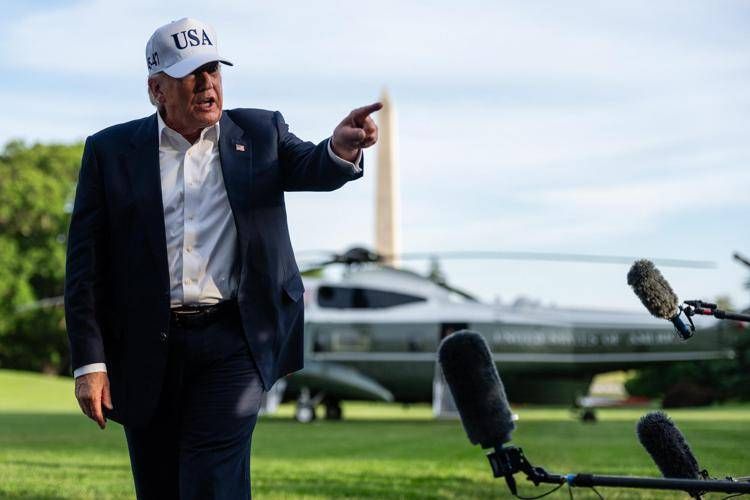
(Source and photo: © AndKronos) Russia sanctions