Since March 21: ultimatums, pauses, and new warnings. Deadline set for April 6 for the reopening of the Strait Donald...
Read More
International-News
Keith Kellogg proposes division of Ukraine, evoking Berlin model after World War II
White House envoy Keith Kellogg’s controversial proposal to resolve the Ukrainian conflict by dividing the country into zones controlled by international forces raises concerns about a possible ‘divided Ukraine’ similar to post-war Germany
The White House Special Envoy for Ukraine, Keith Kellogg, has put forward a controversial proposal regarding the end of the Ukrainian conflict. According to his vision, Ukraine could be divided into controlled zones, similar to what happened in Berlin after World War II. In his proposal, Franco-British forces could occupy the area west of the Dnipro River, while Russian forces would be in control in the east. A demilitarised zone of about 30 kilometres between the two areas would act as a buffer.
Kellogg suggested that such a solution could reduce provocations towards Moscow and avoid the risk of direct conflict between Western and Russian forces. However, he stressed that the goal is not to formally divide Ukraine, but to establish an international control structure that protects Ukrainian sovereignty.
This proposal sparked heated debates, as it symbolically recalls the division of Germany, which could be inconvenient for Kiev, which is committed to preserving its territorial integrity. Nevertheless, the military forces of France and Great Britain, along with other countries willing to participate, could be deployed to ensure stability west of the Dnipro, without direct American participation on the ground.
Meanwhile, another crucial conversation took place between White House envoy Steve Witkoff and Russian President Vladimir Putin. The meeting, which took place behind closed doors in St. Petersburg, focused on various aspects of the agreement for a possible truce in Ukraine, but produced no immediate results. Witkoff also met with Kirill Dmitriev, the Russian envoy for foreign investment, as part of a long round of negotiations, but the Kremlin admitted that no immediate ‘breakthrough’ was expected.
Expectations regarding a possible conclusion of the negotiations remain low, mainly due to the stalemate in the ceasefire and truce talks, with the Ukrainian border issue still central. Sources on the Axios website have suggested that if the conflict does not end, Trump may impose new sanctions on Russia in response to the failure of negotiations.
In the same week, prisoner exchanges between the US and Russia continued, with the release of Krenia Larina and Arthur Petrov. These exchanges highlighted the intense diplomatic pressure both superpowers are exerting on each other, while the situation in Ukraine remains uncertain.
Kellogg, in a meeting with Trump, brought forward the idea of a solution that would involve the recognition of Russian sovereignty over the occupied and annexed regions in 2022, but Kiev has already stated that it will not accept such a concession. In this context, the US administration is trying to understand Russian President Putin’s position, but the difficulties in reaching an agreement remain evident.
THE LATEST NEWS
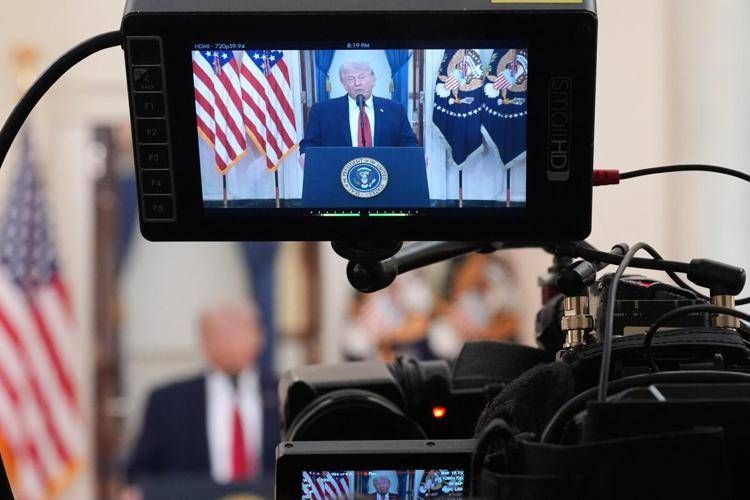
Trump seeks $152M to reopen Alcatraz prison
4 Aprile 2026
Proposal for fiscal 2027 would fund first year of operations as a maximum-security facility; separate order shuts migrant site in...
Read More
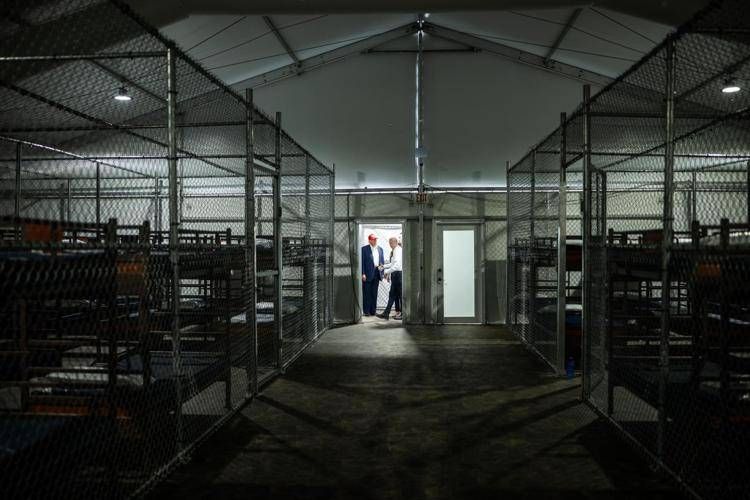
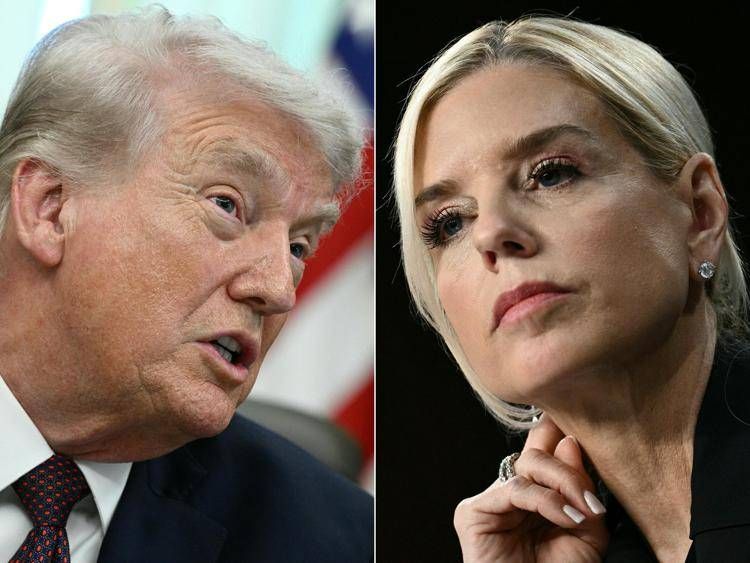
Pam Bondi subpoena over Epstein files survives Trump ouster
3 Aprile 2026
House panel moves to enforce testimony as former attorney general faces April 14 date Pam Bondi subpoena over Epstein files...
Read More
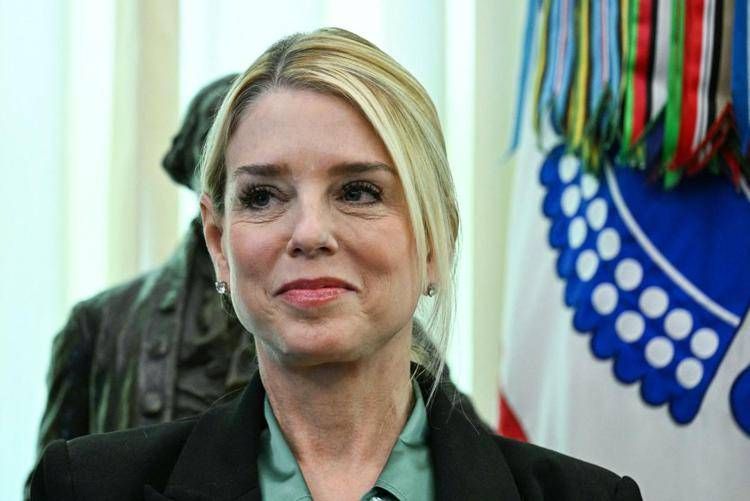
Hegseth asks Army Chief Randy George to resign
2 Aprile 2026
Defense secretary moves to replace the Army’s top general with a figure aligned with Trump’s military vision U.S. Defense Secretary...
Read More
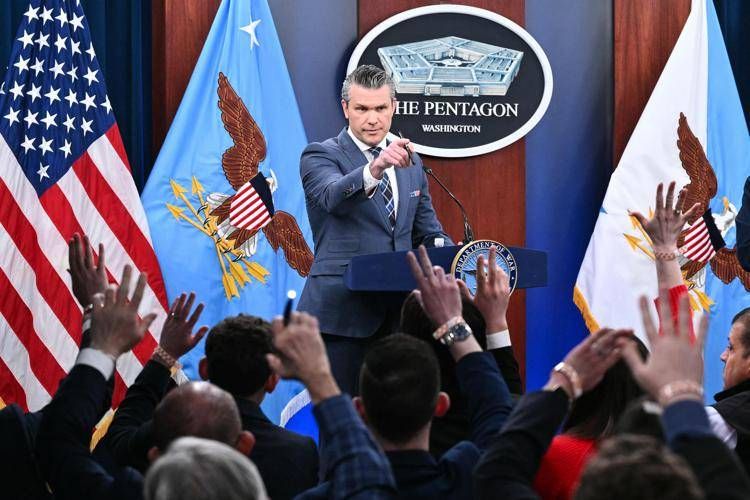
Trump removes Bondi, taps former personal lawyer Blanche as interim AG
2 Aprile 2026
The president announces the leadership change at the Justice Department, appointing his former personal lawyer as acting attorney general U.S....
Read More
Gulf States Reconsider Pipelines Amid Prolonged Iranian Control of Hormuz
2 Aprile 2026
Rising tensions over the Strait of Hormuz are prompting Gulf nations to explore new energy corridors to bypass Iran and...
Read More

(Photo: © Wikipedia)