

Strategic war game and security officials warn of faster Russian military readiness and potential NATO vulnerabilities The scenario in which...
Read More
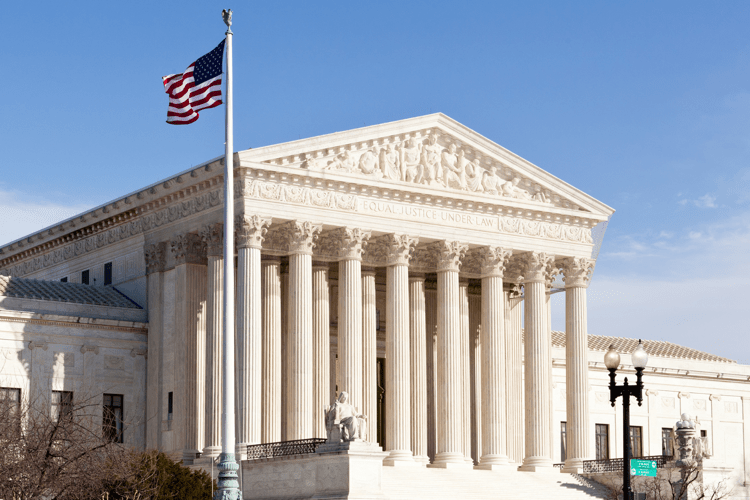
Trump’s tariffs before the Supreme Court: the president’s powers at stake
-
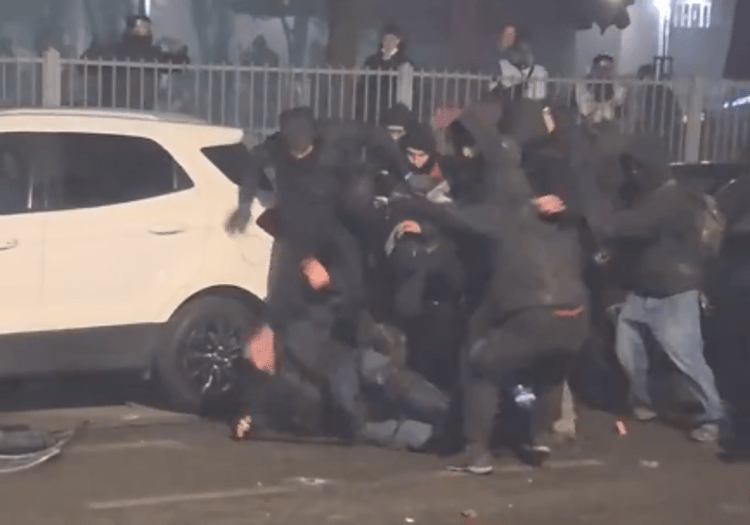
Video shock, poliziotto aggredito negli scontri di Torino
-

Alberto Trentini e Mario Burlò sono in Italia dopo la liberazione VIDEO
-
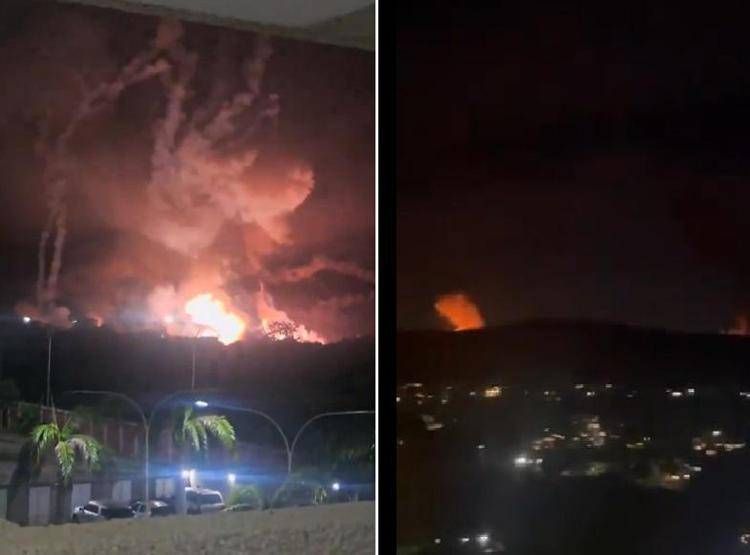
Overnight explosions in Caracas hit military area, widespread power outages reported VIDEO
-


Attacco Usa in Nigeria contro l’Isis, Trump: “Risposta al massacro di cristiani” VIDEO

-Trump’s tariffs end up before the Supreme Court, which will have to determine whether the president abused the powers granted to him by the 1977 economic law-
Trump’s tariffs end up before the US Supreme Court, opening one of the most sensitive cases of the Republican presidency. A group of states led by Democrats, together with several business associations, has challenged the legitimacy of the tariffs imposed by the president since 2 April 2025, a symbolic date renamed “Liberation Day” by the administration. According to the plaintiffs, the White House’s aggressive trade policy violates the limits set by federal law.
The legal issue: the use of the Emergency Economic Powers Act
At the heart of the debate over Trump’s tariffs is the application of the International Emergency Economic Powers Act (IEEPA), a 1977 law that allows the president to respond to “unusual and extraordinary” threats to national security or the economy. In American history, this law has been used to impose targeted sanctions or embargoes, but never to introduce generalised tariffs on a global scale.
The Supreme Court will have to determine whether the trade imbalance and alleged penalties suffered by the United States can really be considered “extraordinary threats” such as to justify the activation of the law.
Balance of powers and institutional separation
The dispute over Trump’s tariffs goes beyond trade policy. It is part of a broader tension between the White House and independent state bodies. The friction between the president and the Federal Reserve over monetary policy is one example: Trump has often criticised the central bank’s decisions, ignoring its statutory autonomy.
Now the Supreme Court, with its upcoming decisions on tariffs, the Fed and illegal immigration, will effectively define the boundaries of presidential powers.
The economic and political consequences of a rejection
A negative ruling could force the government to reimburse up to $70 billion in customs duties. But the repercussions would go beyond the economic sphere: a rejection of the tariff policy would redraw the entire balance of power in the United States, affecting Washington’s international credibility and market stability.
At stake are not only Trump’s tariffs, but the very definition of the limits of executive power in American democracy.
THE LATEST NEWS
España prohibirá el acceso a redes sociales a menores de 16 años
3 Febbraio 2026
El gobierno de Pedro Sánchez anuncia medidas para responsabilizar a los directivos de plataformas digitales por contenidos ilegales y garantizar...
Read More

Trump seeks $1 billion damages from Harvard University
3 Febbraio 2026
The U.S. president accuses Harvard of illegal conduct and attacks The New York Times over what he calls misleading coverage...
Read More
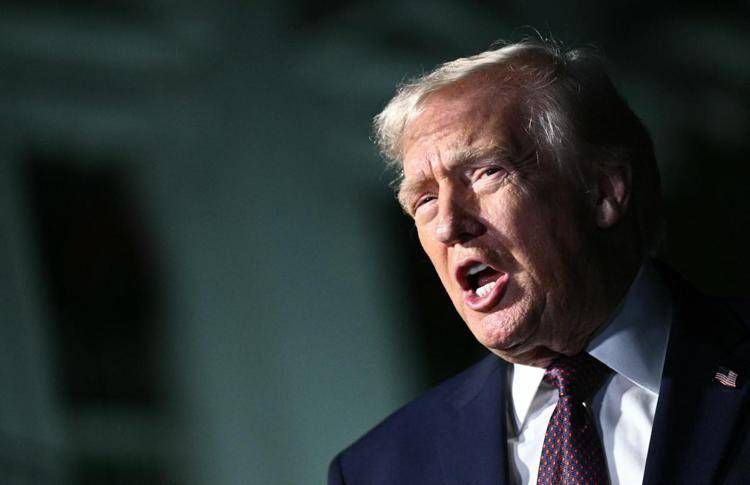
SpaceX acquires xAI to build orbital data centers for AI
3 Febbraio 2026
Elon Musk merges SpaceX and xAI to combine rocket technology and artificial intelligence, targeting space-based data processing infrastructure SpaceX acquires...
Read More

US House vote to stop partial government shutdown faces resistance
3 Febbraio 2026
Republicans scramble for votes as Democrats oppose Senate deal tied to immigration enforcement funding The US House vote to stop...
Read More
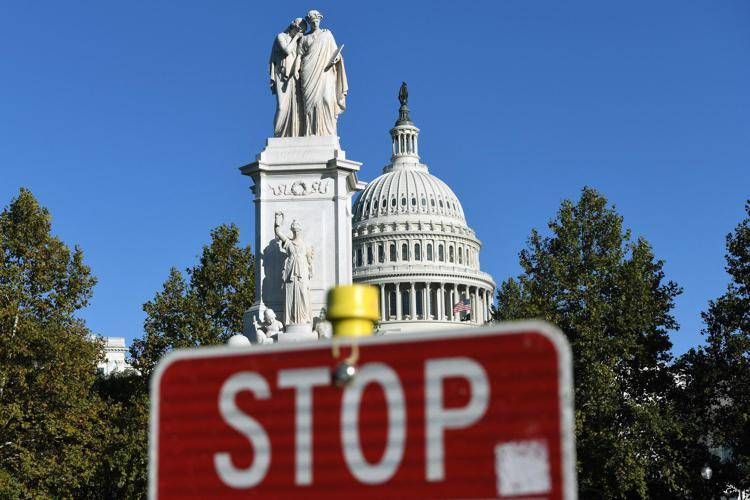
Iran ready to negotiate with the United States on nuclear talks
2 Febbraio 2026
Tehran signals willingness to resume diplomacy, while U.S. envoy Steve Witkoff prepares for meetings in Israel and Turkey remains a...
Read More
(Photo: © AndKronos)
Condividi su:


-
 Primo Piano13 ore ago
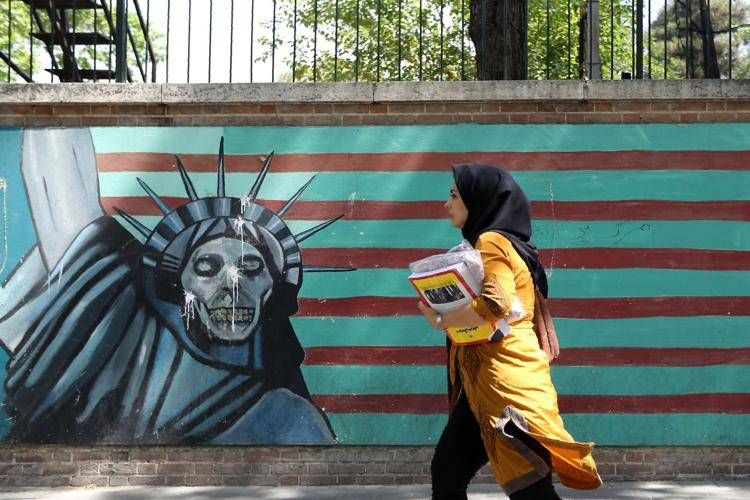
Colloqui Usa Iran in Oman: Washington invita cittadini Usa a lasciare l’Iran
-
 In Evidenza13 ore ago
Generale russo ferito a Mosca in un agguato armato
-
 Flash14 ore ago
Esplosione in fabbrica di fuochi d’artificio ad Arcinazzo: due feriti
-

 Meteo13 ore ago
Maltempo in Italia tra neve sulle Alpi e piogge intense al Sud