Israeli Channel 12 reports the F-15 weapons officer was unconscious after ejecting, regaining communication only hours later A US pilot...
Read More
International-News
Trump’s tariffs before the Supreme Court: the president’s powers at stake
-Trump’s tariffs end up before the Supreme Court, which will have to determine whether the president abused the powers granted to him by the 1977 economic law-
Trump’s tariffs end up before the US Supreme Court, opening one of the most sensitive cases of the Republican presidency. A group of states led by Democrats, together with several business associations, has challenged the legitimacy of the tariffs imposed by the president since 2 April 2025, a symbolic date renamed “Liberation Day” by the administration. According to the plaintiffs, the White House’s aggressive trade policy violates the limits set by federal law.
The legal issue: the use of the Emergency Economic Powers Act
At the heart of the debate over Trump’s tariffs is the application of the International Emergency Economic Powers Act (IEEPA), a 1977 law that allows the president to respond to “unusual and extraordinary” threats to national security or the economy. In American history, this law has been used to impose targeted sanctions or embargoes, but never to introduce generalised tariffs on a global scale.
The Supreme Court will have to determine whether the trade imbalance and alleged penalties suffered by the United States can really be considered “extraordinary threats” such as to justify the activation of the law.
Balance of powers and institutional separation
The dispute over Trump’s tariffs goes beyond trade policy. It is part of a broader tension between the White House and independent state bodies. The friction between the president and the Federal Reserve over monetary policy is one example: Trump has often criticised the central bank’s decisions, ignoring its statutory autonomy.
Now the Supreme Court, with its upcoming decisions on tariffs, the Fed and illegal immigration, will effectively define the boundaries of presidential powers.
The economic and political consequences of a rejection
A negative ruling could force the government to reimburse up to $70 billion in customs duties. But the repercussions would go beyond the economic sphere: a rejection of the tariff policy would redraw the entire balance of power in the United States, affecting Washington’s international credibility and market stability.
At stake are not only Trump’s tariffs, but the very definition of the limits of executive power in American democracy.
THE LATEST NEWS

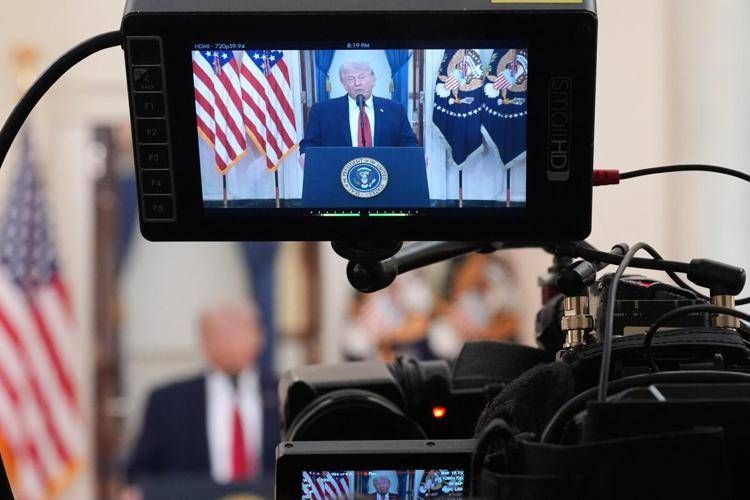
Trump the Flip-Flopper: Shifting Stance on Iran and the Strait of Hormuz, Between Threats and Delays
5 Aprile 2026
Since March 21: ultimatums, pauses, and new warnings. Deadline set for April 6 for the reopening of the Strait Donald...
Read More
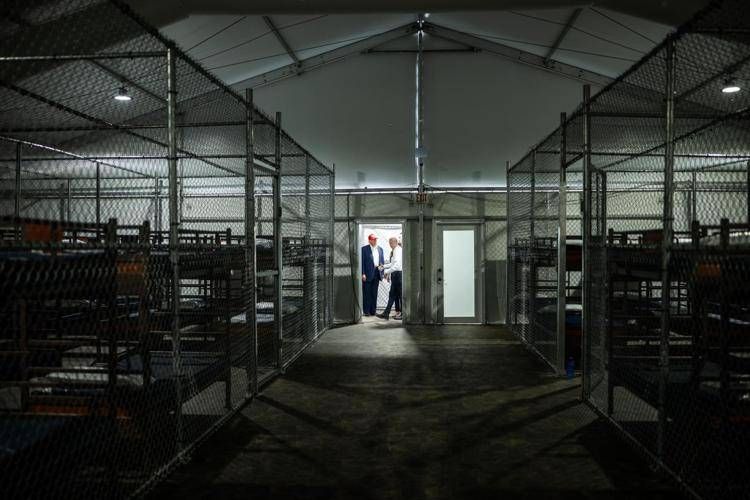
Trump seeks $152M to reopen Alcatraz prison
4 Aprile 2026
Proposal for fiscal 2027 would fund first year of operations as a maximum-security facility; separate order shuts migrant site in...
Read More
Pam Bondi subpoena over Epstein files survives Trump ouster
3 Aprile 2026
House panel moves to enforce testimony as former attorney general faces April 14 date Pam Bondi subpoena over Epstein files...
Read More

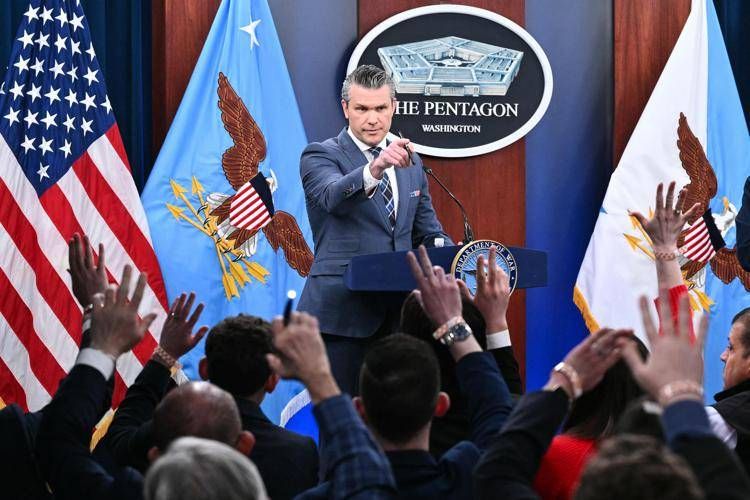
Hegseth asks Army Chief Randy George to resign
2 Aprile 2026
Defense secretary moves to replace the Army’s top general with a figure aligned with Trump’s military vision U.S. Defense Secretary...
Read More
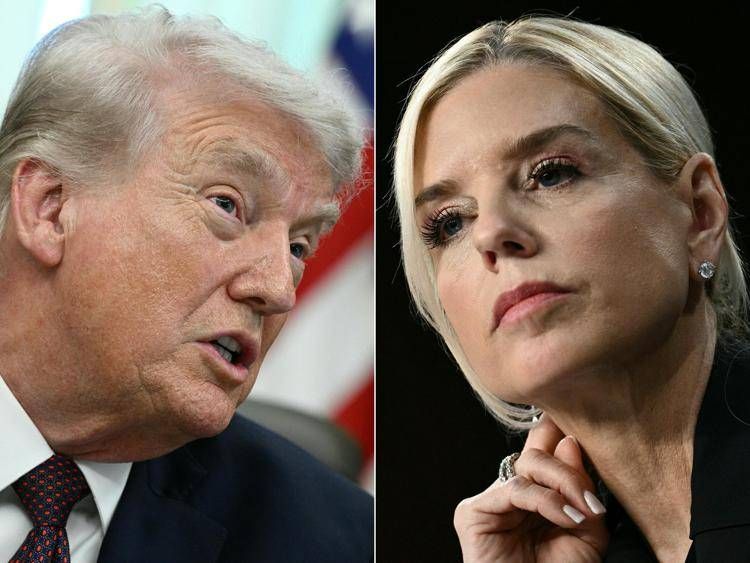
Trump removes Bondi, taps former personal lawyer Blanche as interim AG
2 Aprile 2026
The president announces the leadership change at the Justice Department, appointing his former personal lawyer as acting attorney general U.S....
Read More
(Photo: © AndKronos)