



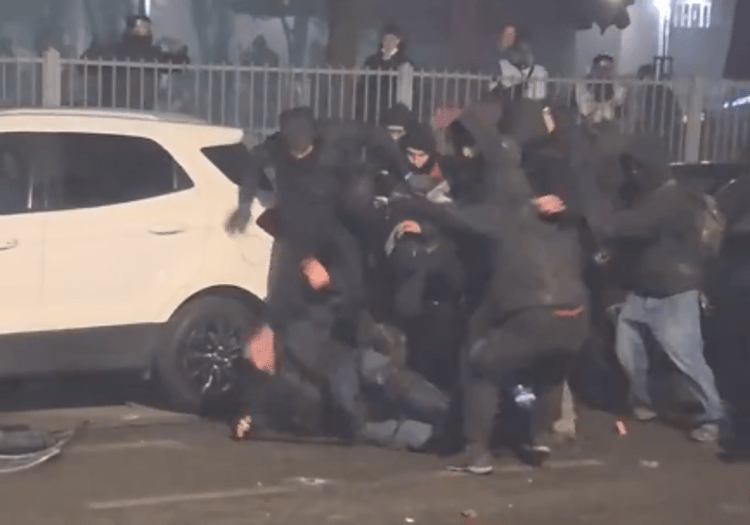

The Guardian and Factnameh reveal medical imaging from Iranian hospitals, showing catastrophic injuries inflicted on protesters during January crackdowns, highlighting...
Read More
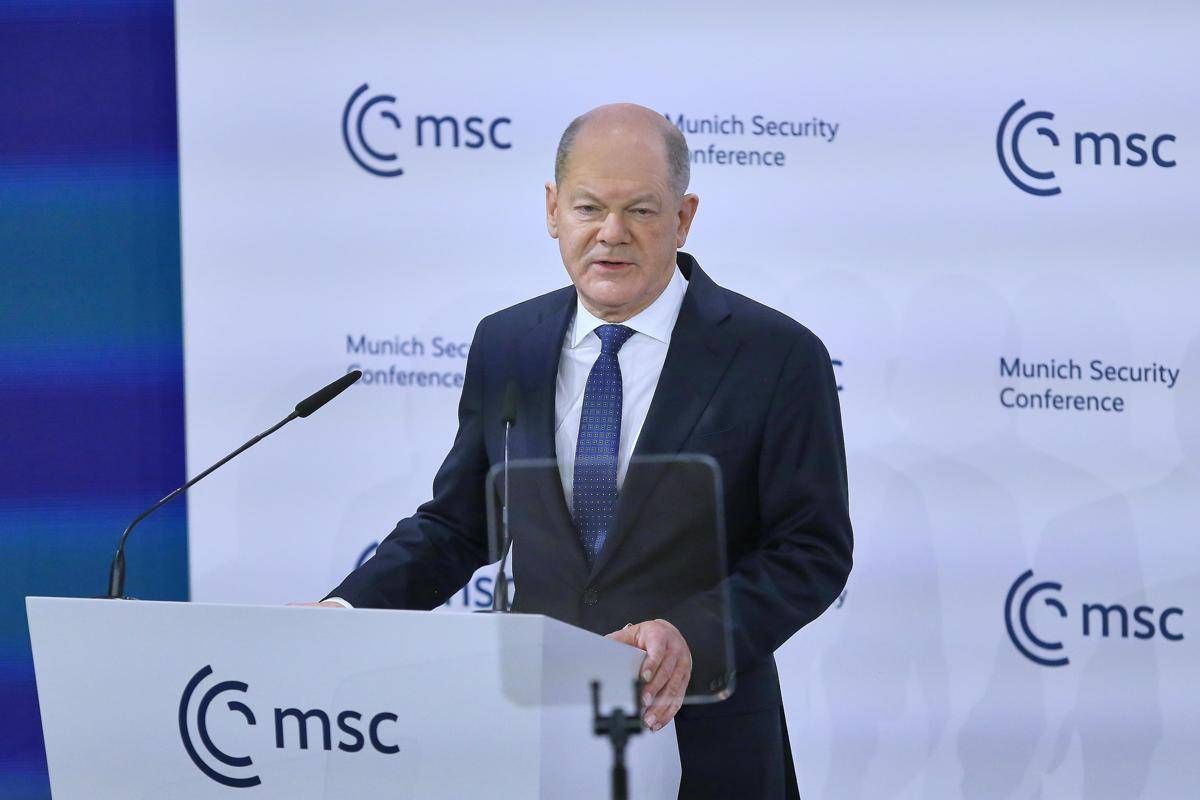
Scholz gets angry with JD Vance: ‘We will not accept outside interference in our democracy’

The German Chancellor responds to the US Vice President’s statements on European domestic policy and defends Germany’s democratic institutions
During the Munich Security Conference, Olaf Scholz responded to recent statements by JD Vance, Vice President of the United States, who had suggested the EU should fear internal attacks on freedom more than external threats and stop isolating far-right parties from governments. Scholz called interference in domestic politics by those who look at Germany from outside unacceptable, especially on issues related to its democratic institutions, elections, and the formation of public opinion.
In particular, the German Chancellor emphasised that modern democracies are built on a ‘historical awareness’ that prevents radical anti-democrats from destroying the system. ‘We have institutions to protect us from the enemies of democracy and to safeguard freedom,’ he said, reiterating Germany’s determination to defend itself against any form of revisionism, such as that promoted by parties like the AfD.
Regarding the relationship between Germany and the AfD, Scholz said that the far-right party had trivialised National Socialist crimes, referring in particular to the Dachau concentration camp. He went on to point out that the overwhelming majority of Germans strongly oppose the glorification of such crimes.
In addition, the chancellor addressed the topic of European security and the need to find resources to support Ukraine in the long term. Scholz reiterated the importance of reforming the debt brake to exempt security and defence, warning that Germany is preparing to spend significantly more on defence to ensure Europe’s security and respond to Russian threats. ‘Reaching the two per cent target for defence spending will require about EUR 30 billion additional per year,’ he said, pointing out that any percentage more would entail additional costs.
Finally, he concluded that any investment above 2 per cent in defence would have to be exempted from European debt rules, with a view to preserving fiscal stability, as confirmed by European Commission President Ursula von der Leyen.
THE LATEST NEWS

Middle East: Risk of Imminent US Strike on Iran
19 Febbraio 2026
In recent days, tensions between the United States and Iran have escalated, with the US increasing military presence and Iran...
Read More

Oil price above $71 amid tensions in the Middle East
19 Febbraio 2026
Oil price rises due to US-Iran tensions: Brent rises to $71.30 per barrel as markets fear a prolonged conflict and...
Read More

Trump long-term plan for Venezuela oil sector: strategy and risks
18 Febbraio 2026
Washington signals a multi-year strategy after Maduro’s removal while industry leaders and analysts warn about costs, risks and political uncertainty...
Read More

European Commission leaks crackdown after internal concerns
18 Febbraio 2026
Internal information leaks inside the EU executive trigger new discipline measures for commissioners as transparency tensions resurface in Brussels The...
Read More

Iran Threat: Supreme Leader Signals Risk to US Warships
17 Febbraio 2026
Tehran’s Supreme Leader issues a direct warning as US aircraft carriers deploy to the Gulf amid nuclear negotiations Warning over...
Read More

(Photo: © AndKronos)
Condividi su:



-

 Primo Piano14 ore ago
GB, arrestato e poi rilasciato ex principe Andrea: accuse legate al caso Epstein
-

 Flash19 ore ago
Tentato rapimento in pista di pattinaggio a Scandicci, paura per un bambino
-

 News16 ore ago
Omicidio a Scandicci: fermato uomo per la decapitazione di Silke Sauer
-

 International-News17 ore ago
Iran Protests: Radiographs Show Devastating Wounds