

Photographers focus on visible bruising as the U.S. president addresses global leaders. The White House points to a known medical...
Read More
Munich bombing: immigration back at centre of political debate in Germany
-

Alberto Trentini e Mario Burlò sono in Italia dopo la liberazione VIDEO
-
Overnight explosions in Caracas hit military area, widespread power outages reported VIDEO
-


Attacco Usa in Nigeria contro l’Isis, Trump: “Risposta al massacro di cristiani” VIDEO
-

Frana a Cormons: disperso un giovane e un’anziana sotto le macerie VIDEO

Fire and brimstone ahead of Bundestag vote
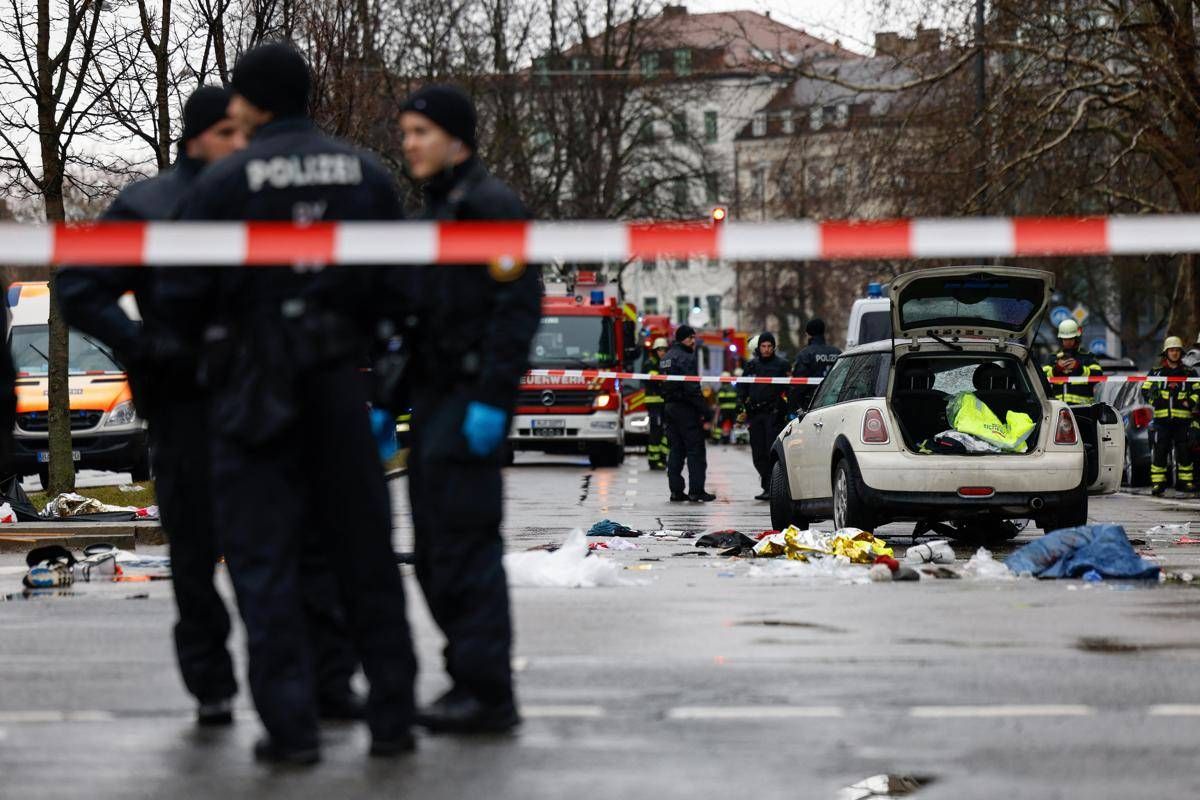
The attack in Munich, which left 36 people injured, some of them in serious condition, has reignited the debate on migration policy just days before the Bundestag elections, set for 23 February. The attacker, a 24-year-old Afghan youth, drove his car into a crowd at a trade union rally, triggering security concerns and bringing the migrant issue back to the centre of the political scene. The tension was immediately reflected during the televised debate organised by ZDF, where the main chancellor candidates answered questions from the audience.
Scholz under pressure: security as priority
The outgoing chancellor Olaf Scholz was asked about the attack, with a particularly provocative question: ‘Are you not morally complicit in every single murder that has taken place so far?’ Scholz referred to the measures already taken by his government, but also expressed his concern in the face of recent events. The issue of security and the management of migrants emerged as one of the most discussed topics, raising concerns among citizens about state protection and response.
The political crisis and the alliance with the Afd
The immigration issue has fuelled a new political crisis in the Bundestag, where the Cdu has sought the support of the Afd to pass some controversial proposals. This alliance has aroused controversy, with criticism even from Angela Merkel, who has strongly contested the choice of Friedrich Merz, leader of the Cdu. The latter has repeatedly stated that he does not intend to ally with the Afd, despite the support he receives in the polls. The situation has contributed to further dividing the German political landscape, with the Cdu trying to maintain a strong position without compromising its credibility.
Election polls and the hypothesis of a red-red-green coalition
With nine days to go before the vote, the polls reveal a changing landscape. The latest poll by Forschungsgruppe Wahlen for ZDF recorded a slight shift in preferences, with the Die Linke party gaining one percentage point to 7%. The Social Democrats (SPD) gained one point, while the Greens lost ground. The CDU remains stable at 30%, but the Afd continues to grow, standing at 20%. The rise of The Left opens up the possibility of a three-way coalition between SPD, Greens and The Left, although it would not currently have the necessary majority to govern.
Public opinion and the ‘grand coalition’ preference
Despite the emergence of the possibility of a ‘red-red-green’ coalition, the majority of the population seems to favour a grand coalition between the Cdu/Csu and the SPD, with 39% of respondents supporting this option. However, support for a coalition including the Afd is very low, with 76% of respondents opposing an alliance with the far-right party. The prospect of a coalition between Cdu/Csu and the Greens also meets with wide dissent.
Interest in the vote and the decisive issues
Interest in the Bundestag elections is at an all-time high, with 87% of respondents saying they are very or extremely interested in voting. Compared to the 2021 elections, the electorate is also more determined, with only 28% having not yet decided who they will vote for. The issues dominating the campaign are peace and security (45%) and the economy (44%), followed by social justice (39%). Climate protection, although relevant, occupies only sixth place among voters’ priorities (22%).
THE LATEST NEWS
Greenland agreement between Trump and NATO halts tariffs from February 1
21 Gennaio 2026
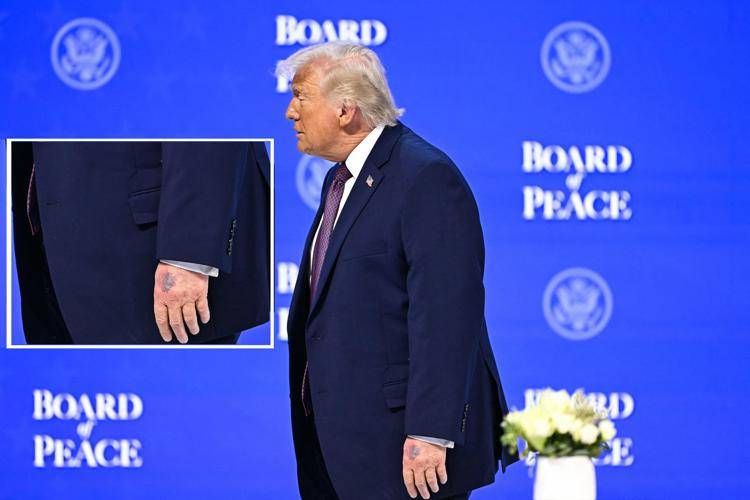
The US president announces a preliminary deal with NATO Secretary General Mark Rutte and freezes planned tariffs against European countries...
Read More
Trump Greenland ultimatum at Davos shocks allies with call for immediate talks
21 Gennaio 2026
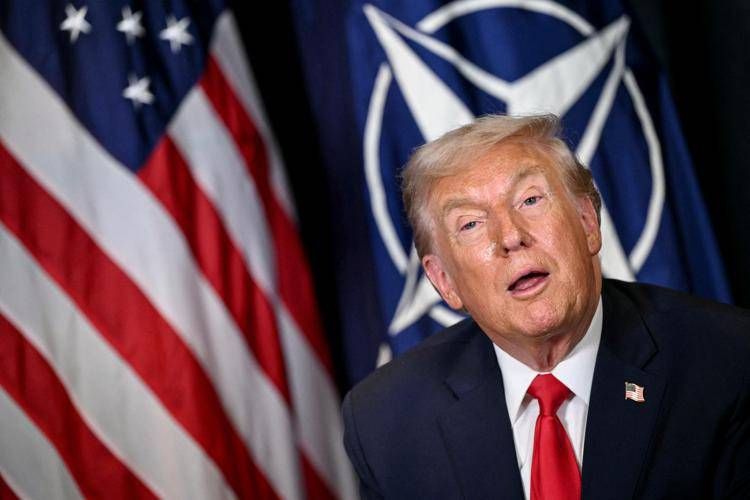
At the World Economic Forum, the US president frames Greenland as a strategic necessity and pressures Denmark and NATO Donald...
Read More
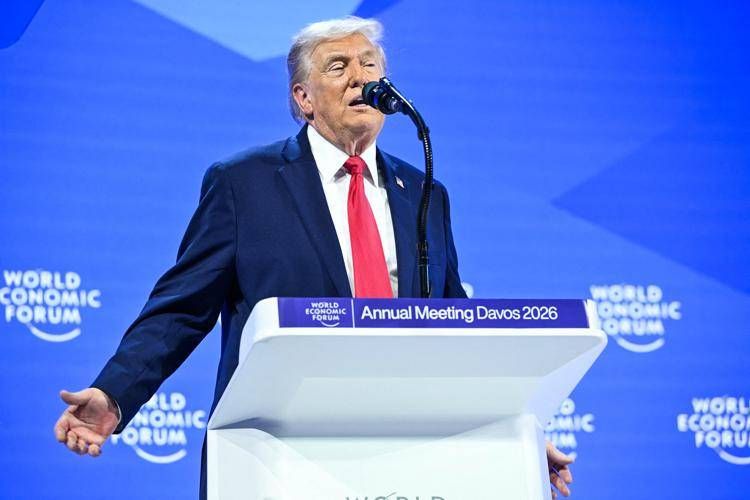
Trump economic speech at Davos frames US growth as global leverage
21 Gennaio 2026
At the World Economic Forum, the US president presents America’s economy as a “miracle” and a tool of geopolitical pressure...
Read More
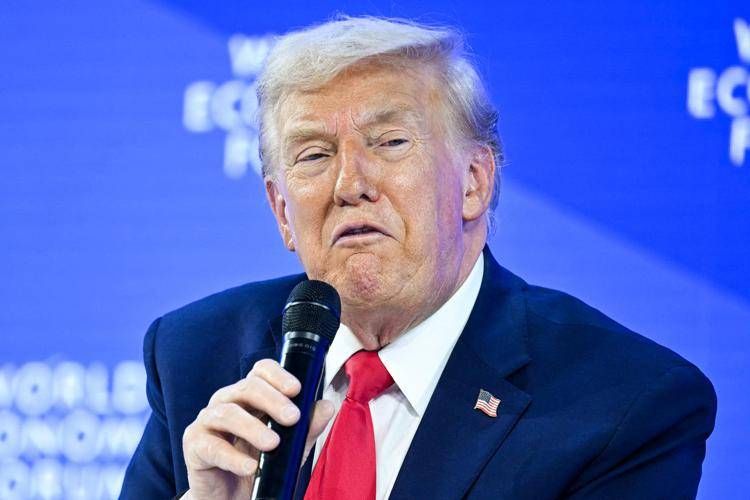
María Corina Machado dominates Venezuela poll, Delcy Rodríguez rejected
20 Gennaio 2026
A Meganálisis survey shows overwhelming support for the opposition leader and a near-total rejection of any transitional role for the...
Read More
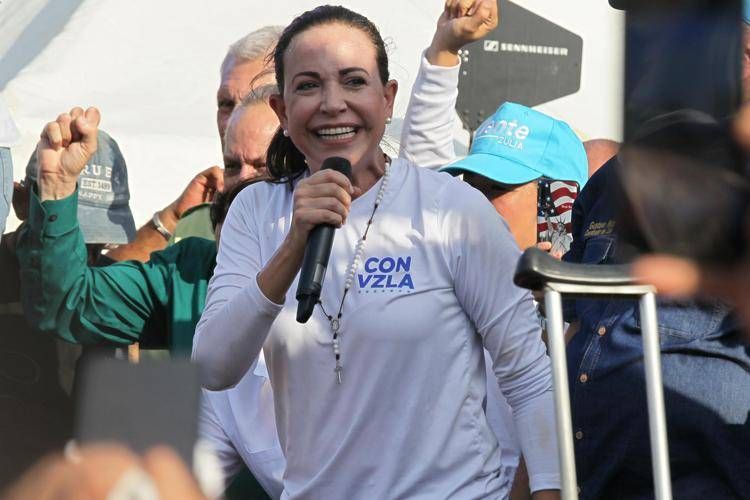
Israel Prepares Full Defense Amid Tensions with Iran
19 Gennaio 2026
IDF Chief Eyal Zamir warns of unprecedented offensive capability as new F-35 jets arrive Israel Prepares Full Defense as the...
Read More

(Photo: © AndKronos)
Condividi su:


-
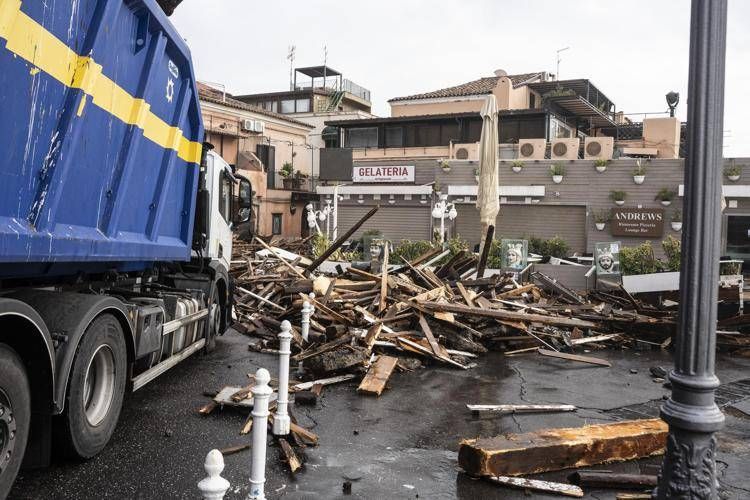 Meteo9 ore ago
Maltempo in Sicilia, uragano Harry: verso lo stato di emergenza regionale
-
 News21 ore ago
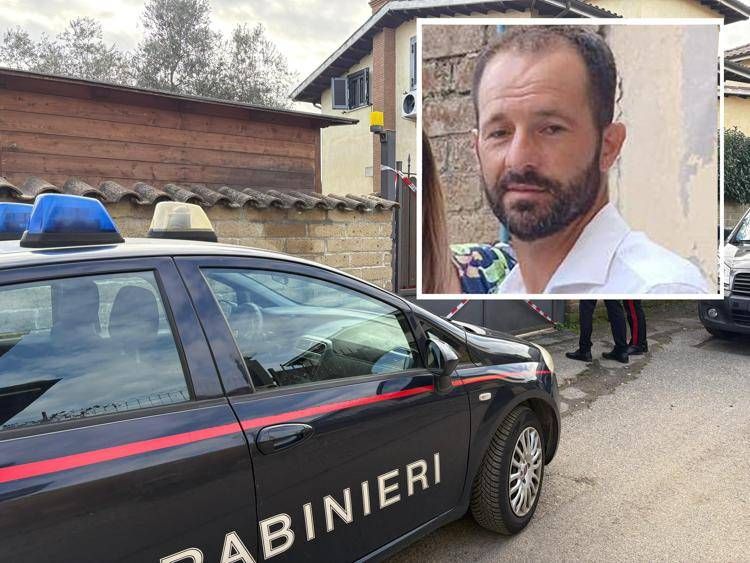
La confessione del marito per omicidio di Federica Torzullo: due scenari al vaglio
-
Primo Piano18 ore ago
Accordo sulla Groenlandia tra Trump e la Nato, stop ai dazi dal 1° febbraio
-
International-News18 ore ago
Greenland agreement between Trump and NATO halts tariffs from February 1