

A new survey finds broad public resistance to President Donald Trump’s expansionist agenda, with strong opposition across party lines to...
Read More
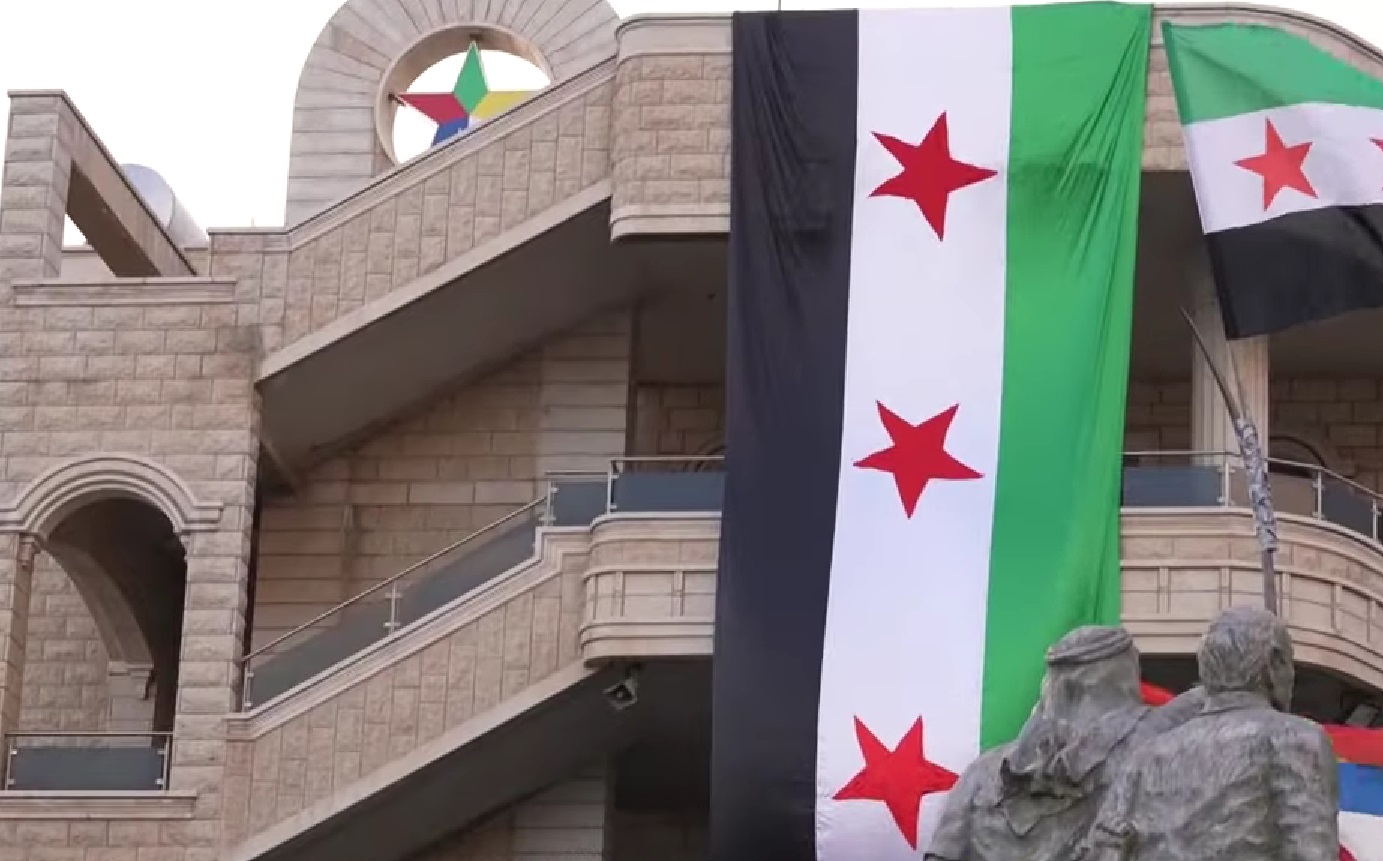
The evolution of Hayat Tahrir al-Sham (Hts) in Syria
-

Alberto Trentini e Mario Burlò sono in Italia dopo la liberazione VIDEO
-
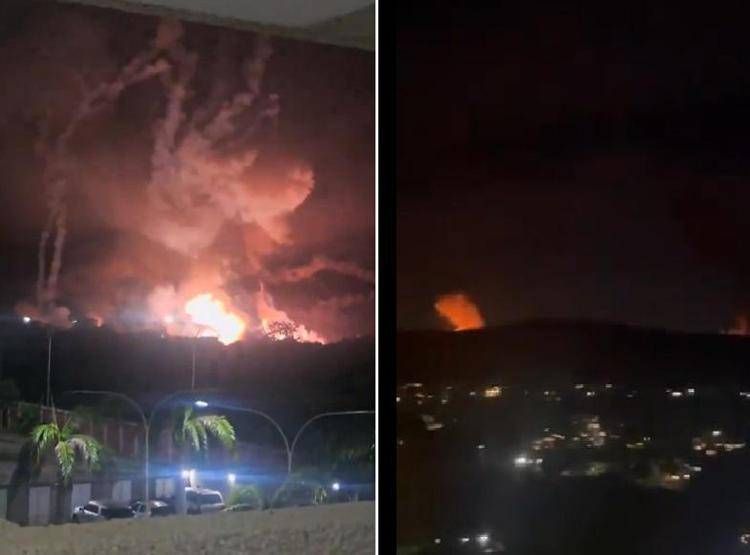
Overnight explosions in Caracas hit military area, widespread power outages reported VIDEO
-


Attacco Usa in Nigeria contro l’Isis, Trump: “Risposta al massacro di cristiani” VIDEO
-
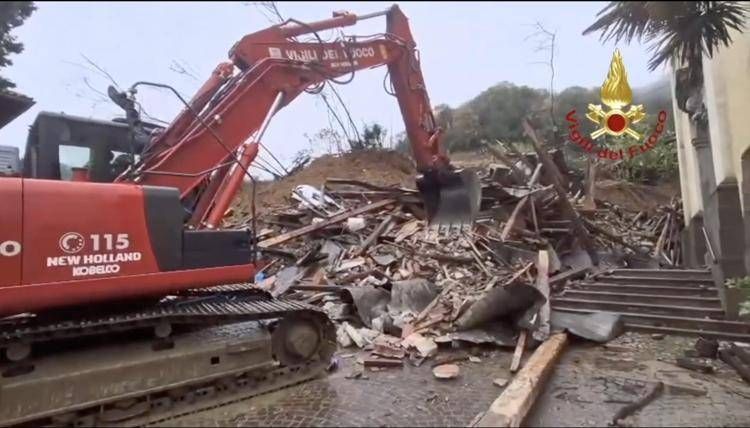
Frana a Cormons: disperso un giovane e un’anziana sotto le macerie VIDEO

From taxes to military strategy via education: a detailed analysis of the Hts government in Idlib and the possible implications for a post-Assad Syria
Hayat Tahrir al-Sham (Hts), an initially jihadist group, has ruled Idlib with pragmatism and discipline. Studying their governance model, clues emerge about a possible export of their approach to a post-Assad Syria. This article explores in detail the economic, military and social strategies adopted by Hts.
Taxes and Economic Strategy
According to Mark Nakhla of Kharon, Hts represents an example of economic adaptability during conflict. The group has evolved its economic strategy from foreign donor support to a model based on taxes and other forms of government revenue. Taxes on goods and businesses, together with customs duties, provided the main sources of revenue.
Controlling Idlib: Taxes and Governance
Hts imposed taxes on agricultural products and goods in transit, and operated monopolies on essential services such as fuel and electricity. The ‘Syrian salvation government’ established by Hts has demonstrated a degree of administrative stability and capacity to manage public finances, similar to that of a conventional government.
The Impact on the Population: Services and Education
Despite criticism for authoritarian methods, Hts established a civil authority consisting of 11 ministries and introduced some moderate Islamic practices. Free Koranic schools, along with subjects such as mathematics and English, were an example of the group’s educational approach.
Military Strategy and Security
Hts maintained an internal security force to deal with other armed factions and internal criticism. The group has also abandoned extremist methods such as suicide bombings, showing a transition to a structure more similar to that of a conventional army. Experts estimate that Hts fighters number between 10,000 and 60,000.
The Abandonment of the Global Jihad
Ahmed Hussein al-Shara, known as Abu Mohammed al-Jawlani, focused the ideology of Hts on the battle against the Assad regime, abandoning global jihad. The creation of a ‘Military School’ in 2021, with ex-Assad officers to train fighters, marked an important step in the group’s transformation.
Weapons and External Support
Hts weapons were largely taken from Assad’s forces or purchased from corrupt regime officials. Turkey provided additional resources, including vehicles and small arms. In addition, Hts has shown ingenuity in the manufacture of drones and rudimentary armoured vehicles.
Hts will have to consolidate control over several rebel forces, demonstrate political inclusiveness and allay concerns of possible post-Assad absolute rule. The future of their national governance model remains uncertain, but developments in Idlib offer an interesting picture of the potential dynamics in a post-conflict Syria.
THE LATEST NEWS

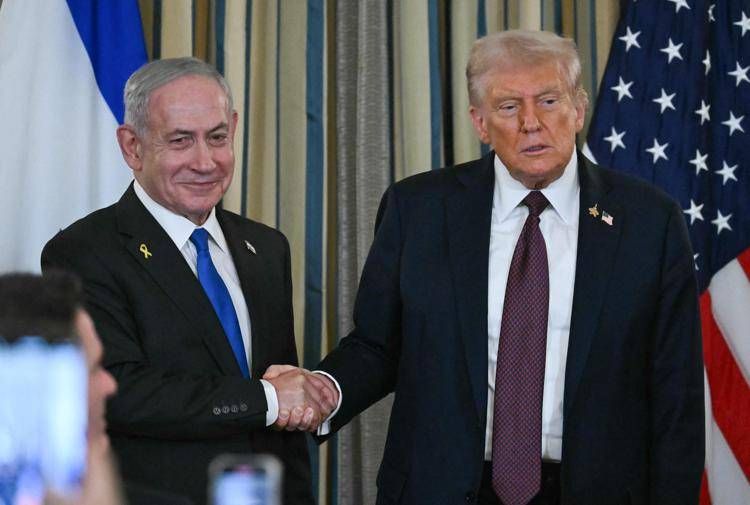
Netanyahu asks Trump to delay US attack on Iran
15 Gennaio 2026
According to U.S. officials, the Israeli prime minister urged Washington to postpone military action as diplomatic efforts reduce tensions Netanyahu...
Read More
U.S. Treasury Imposes New Sanctions on Iran for Protest Crackdown
15 Gennaio 2026
The Treasury Department targets key Iranian leaders amid ongoing demonstrations for fundamental freedoms and economic security U.S. Treasury Imposes New...
Read More

US oil strategy against China links Venezuela and Iran crises
14 Gennaio 2026
Energy geopolitics drive Washington’s moves as Trump reshapes global power balances The US oil strategy against China is increasingly shaping...
Read More

Donald Trump responds with middle finger to critic during Michigan visit
14 Gennaio 2026
The White House defends President Trump’s reaction to a protester at a Ford facility, describing the response as “appropriate” amid...
Read More

Denmark strengthens military presence in Greenland amid Arctic tensions
14 Gennaio 2026
Defense minister confirms expanded military role and closer NATO coordination as US pressure grows Denmark strengthens military presence in Greenland,...
Read More

(Photo: © AndKronos)
Condividi su:




-

 News23 ore ago
Open day carta d’identità elettronica a Roma il 17 e 18 gennaio
-
 Flash23 ore ago
Raccoglie ordigno prima guerra mondiale: morto un uomo a Valdobbiadene
-
 Flash18 ore ago
Incendio ospedale Sacco Milano al padiglione 16: evacuati i pazienti
-
 Sport22 ore ago
Australian Open 2026: Jannik Sinner debutta contro Hugo Gaston