Lufthansa cancels 20,000 short-haul flights, while Ryanair warns of rising costs and market instability A growing jet fuel crisis is...
Read More
International-News
Succession to Khamenei: Larijani at the center of the new power structure
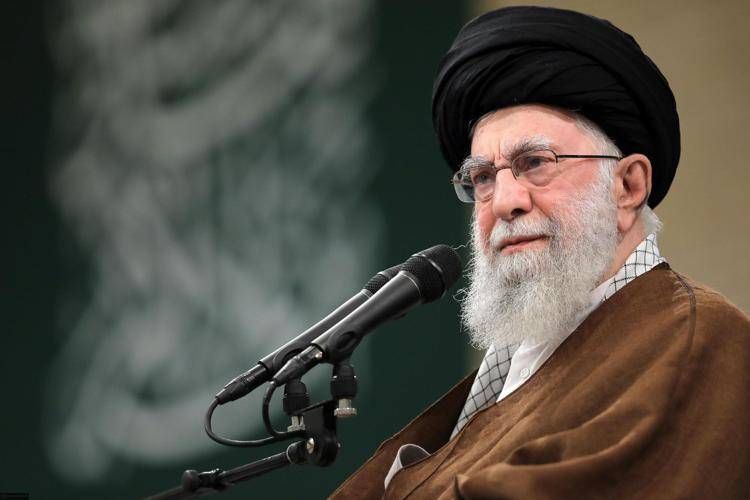
The Supreme Leader strengthens the chain of command after the war with Israel and tensions with the United States: four levels of succession and extraordinary powers to ensure the continuity of the regime
Khamenei’s succession enters its most delicate phase in recent years. According to an investigation by the New York Times, Iran’s Supreme Leader Ali Khamenei has prepared a detailed plan to ensure the continuity of the regime and military leadership in the event of a large-scale conflict or his possible assassination.
At the center of the new balance of power is Ali Larijani, former commander of the Revolutionary Guards and a long-standing political figure, to whom Khamenei has entrusted a key role in the management of state affairs, effectively reducing the prerogatives of President Masoud Pezeshkian.
Four levels of succession and extraordinary powers
Khamenei’s succession, according to reports, is based on a multi-level structure: for each military and government position appointed directly by the Supreme Leader, up to four possible replacements have been named. This measure was conceived in light of the lessons learned during the 12-day war with Israel, when targeted attacks struck part of Iran’s military leadership in the early hours of the conflict.
Khamenei has also delegated decision-making powers to a small circle of loyalists who would be able to take control if the leader were no longer able to communicate or were killed. Among the names mentioned are Major General Yahya Rahim Safavi, General Mohammad Bagher Ghalibaf — who was appointed de facto deputy commander of the armed forces during the war — and Ali Asghar Hejazi, chief of staff to the Supreme Leader.
According to the American newspaper, during the conflict with Israel, Khamenei also identified three possible successors, without however making their names public.
Larijani’s role in crisis management
Although not considered a potential successor to the position of Supreme Leader — as he does not belong to the Shiite clergy — Larijani is now the key figure in the operational management of the state. The succession to Khamenei, in its current form, would see him as the guarantor of internal stability at a time of strong external pressure.
Interviewed by the New York Times, conservative analyst Nasser Imani said that Khamenei has “full confidence” in Larijani, considering him the right man to lead the country at such a critical time.
According to the report, Larijani oversaw the crackdown on internal protests, coordinated nuclear diplomacy with Washington, and managed relations with regional allies and partners such as Russia, Qatar, and Oman. He also participated in military planning as Iran prepared for possible US attacks, considered “inevitable and imminent” by some government circles.
Internal tensions and international pressure
Khamenei’s succession comes amid growing instability. In recent weeks, the US and Iran have resumed talks in Geneva, mediated by Oman, on the nuclear issue, while Washington has strengthened its military presence in the region with aircraft carriers and aircraft.
US sources have indicated the possibility of new negotiations, but have also warned that this could be the last diplomatic window before a possible military operation.
On the domestic front, the Iranian authorities have put in place comprehensive control plans in case of war: special police units, secret service agents, and Basij militias in civilian clothing are reportedly ready to deploy in cities to prevent protests and identify alleged collaborators with foreign agencies.
At the same time, new student demonstrations have been reported at universities in Tehran and elsewhere, while pro-regime groups have organized counter-rallies.
A fragile balance
Khamenei’s succession does not appear imminent on a formal level, but the construction of an alternative chain of command signals the awareness, at the top of the Islamic Republic, of a high-risk historical phase. The war with Israel, tensions with the United States, and internal protests have accelerated a process of power consolidation aimed at avoiding decision-making vacuums.
In this scenario, Larijani emerges as the political and operational linchpin of the system, called upon to ensure the continuity of the state in the event that the supreme leadership should fail.
THE LATEST NEWS
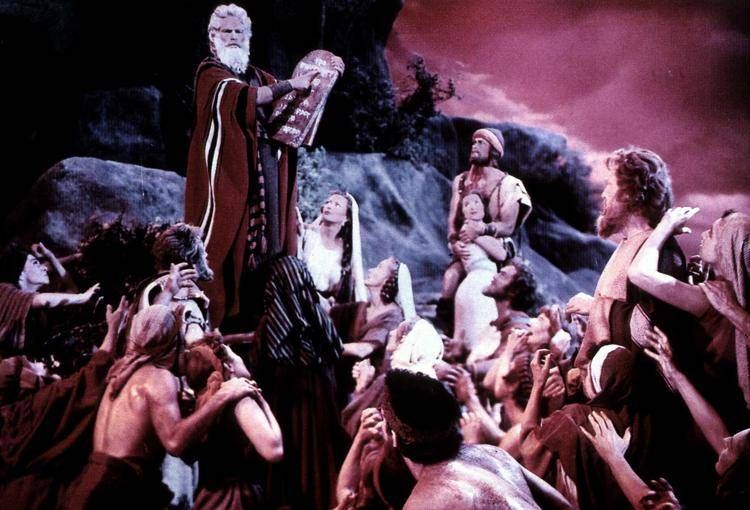
Texas clears Ten Commandments display in classrooms after appeals court ruling
22 Aprile 2026
Split federal decision says law does not breach First Amendment; civil rights groups plan Supreme Court appeal Texas can require...
Read More
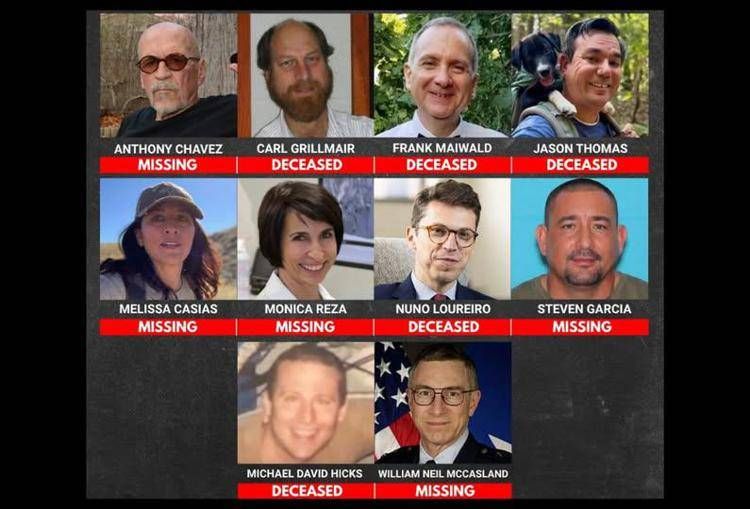
US scientists deaths and disappearances prompt federal review
22 Aprile 2026
White House and Congress seek links in cases involving nuclear and aerospace researchers At least 10 scientists tied to sensitive...
Read More
Trump says Iran agreement in Pakistan expected Wednesday night
20 Aprile 2026
The U.S. president signals a deal is close, warns of consequences if Tehran refuses, and confirms a delegation is en...
Read More
Eight children killed in Shreveport mass shooting after dispute
19 Aprile 2026
Police say a single gunman opened fire across three homes following a domestic incident. The suspect was later shot dead...
Read More
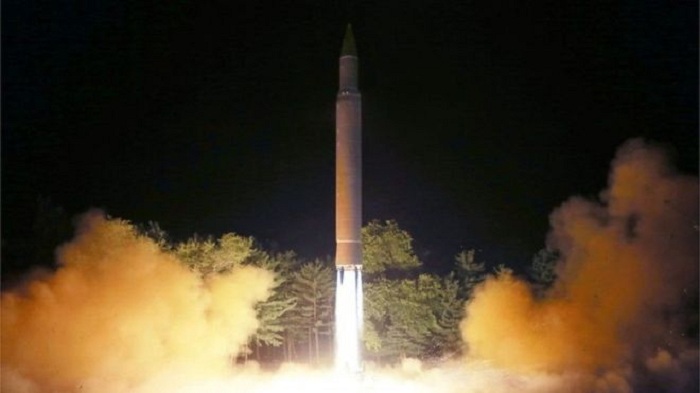
North Korea Fires Unidentified Ballistic Missile, Seoul and Tokyo Say
19 Aprile 2026
Japan and South Korea report a suspected ballistic missile launch as Pyongyang continues a series of weapons tests under Kim...
Read More
(Source: Times of Israel – Photo: © AndKronos)