Russian-backed paramilitary forces pull out after coordinated attacks by jihadists and Tuareg rebels across northern Mali The Africa Corps retreat...
Read More
International-News
Chip war: China tightens controls on exports to the US
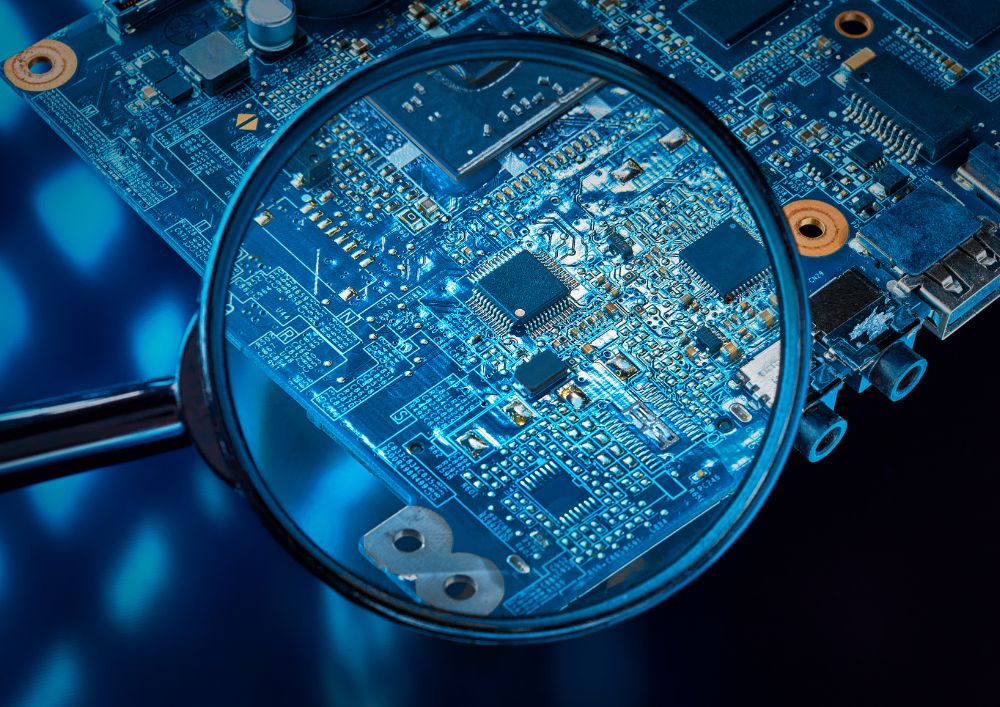
New restrictions on key materials such as gallium, germanium and graphite. Beijing responds to Washington’s policies
The technological competition between China and the US is intensifying with a new chapter in the so-called ‘war on chips’. The Chinese Ministry of Commerce announced today, 3 December, stringent measures to control the export of essential materials for the production of semiconductors and electronic components to the United States.
The new restrictions
According to a report in the Global Times, the Chinese government has established a ban on the export of ‘dual-use’ goods that can be used for military purposes. Among the materials under scrutiny are gallium, germanium, antimony, and graphite, crucial elements for the production of chips and advanced technologies.
A ministry spokesman said that these measures are aimed at ‘protecting China’s security and national interests’, emphasising that the controls will be strictly enforced.
A response to Washington
This decision comes as a direct reaction to recent moves by the US, which yesterday announced new restrictions on the semiconductor sector, hitting Chinese technology companies.
Beijing accuses Washington of abusing export control policies, denouncing the ‘politicisation’ and ‘militarisation’ of economic and technological issues. ‘The US has generalised the concept of national security and used economic issues as a weapon,’ Chinese government sources said.
The effects on the global market
This escalation in trade tensions is likely to have significant repercussions on the global semiconductor market, a sector already under pressure from previous restrictions and the supply crisis. The materials targeted by the new measures, such as gallium and germanium, are in fact hard to find and vital for the production of cutting-edge technologies, from telecommunications to electric cars.
The new Chinese policies pose a further challenge to the American technology industry, which is already dependent on Asian suppliers for raw materials and key components.
A never-ending rivalry
The ‘chip war’ is just one front in the growing competition between China and the United States, who are vying for primacy in controlling next-generation technologies. With this move, Beijing reaffirms its determination to defend the strategic semiconductor sector and to respond blow by blow to American initiatives.
THE LATEST NEWS
Russian oligarch yacht Nord crosses Strait of Hormuz
28 Aprile 2026
Luxury vessel linked to Alexey Mordashov sails through strategic waterway despite naval restrictions by Iran and the United States The...
Read More

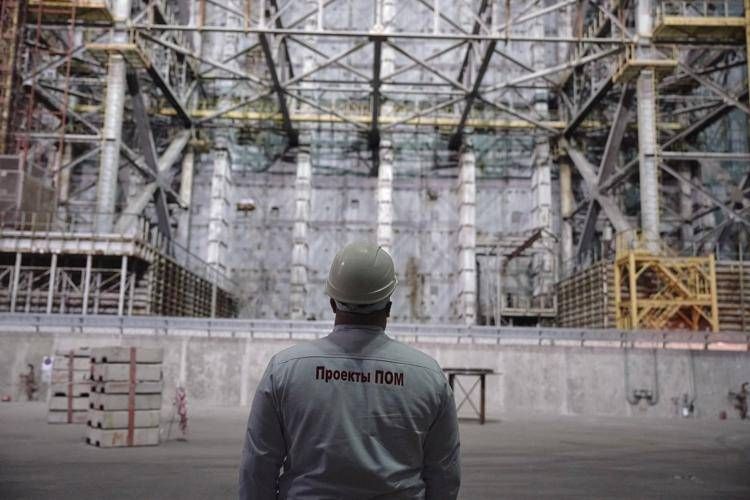
Chernobyl Disaster at 40: Radiation Legacy and New Nuclear Tensions
26 Aprile 2026
The 1986 reactor explosion remains the worst nuclear accident in history, while the site continues to face modern security risks...
Read More
Trump posts suspect image after Washington shooting arrest
26 Aprile 2026
President says attacker acted alone; FBI urges public to share information as investigation expands. Donald Trump shared on Truth Social...
Read More

 Africa Corps retreat from Kidal marks...
28 Aprile 2026
Russian oligarch yacht Nord crosses Strait...
28 Aprile 2026
Chernobyl Disaster at 40: Radiation Legacy...
26 Aprile 2026
Trump posts suspect image after Washington...
26 Aprile 2026
Africa Corps retreat from Kidal marks...
28 Aprile 2026
Russian oligarch yacht Nord crosses Strait...
28 Aprile 2026
Chernobyl Disaster at 40: Radiation Legacy...
26 Aprile 2026
Trump posts suspect image after Washington...
26 Aprile 2026