




In a 6–3 ruling, the justices say the president exceeded his authority by imposing trade tariffs without congressional approval The...
Read More
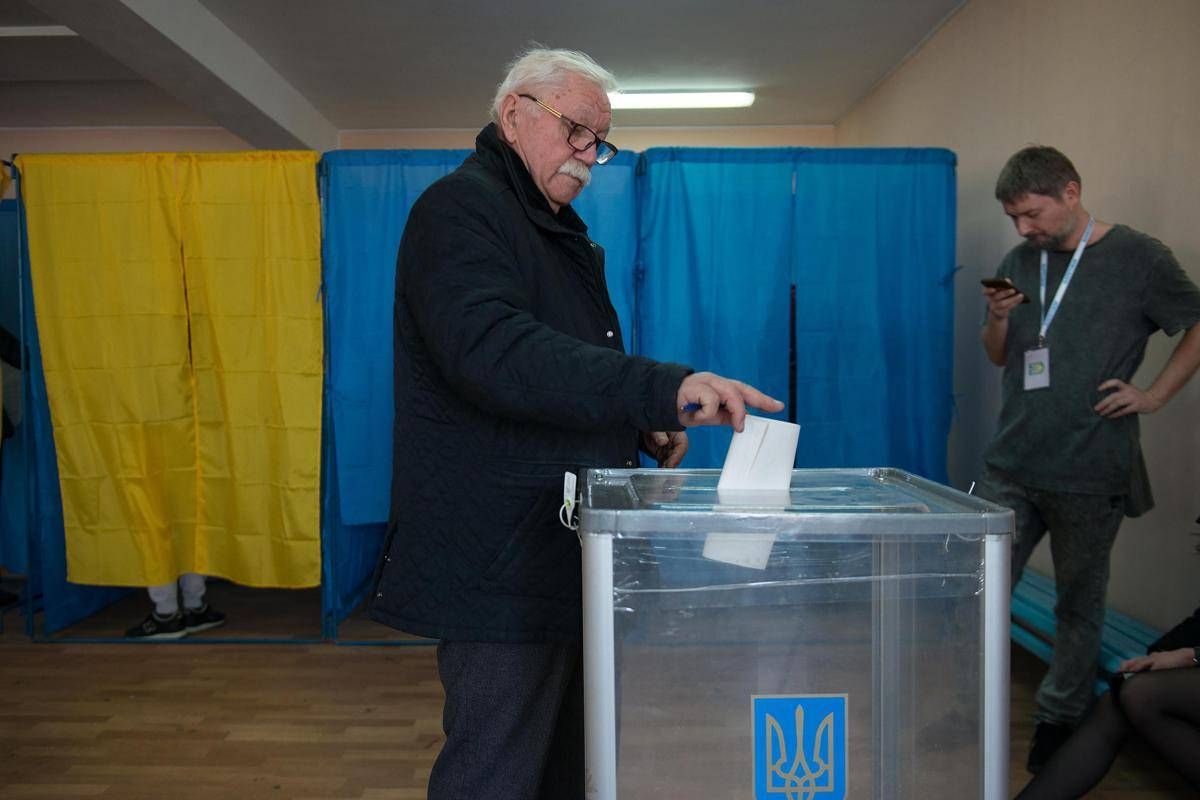
Zelensky starts preparations for presidential elections in Ukraine: ceasefire expected

The Ukrainian president wants to go to the polls quickly, with elections organised immediately after a complete ceasefire. An attempt to get ahead of the opposition and maintain the unity of the country during the conflict
Volodymyr Zelensky, president of Ukraine, has started the first preparations for the upcoming presidential elections, announcing that the vote could be held as early as this summer, provided a complete ceasefire is reached first. According to reports in the Economist, Zelensky chaired a meeting last week precisely to discuss the details of the election process, with the intention of acting quickly to prevent the political opposition from having too much time to reorganise and, above all, to prevent divisions in national unity at such a delicate time.
Zelensky’s plan seems clear: to keep the country united and prevent any fractures that might result from an overly long election campaign. Sources quoted by the British weekly suggest that the president’s intention is to leave no room for a possible disintegration of the common front that has so far allowed Ukraine to resist the Russian invasion.
Another key factor is martial law, which has been in force since the beginning of the war and currently prevents elections from being held. The Ukrainian parliament, the Verkhovna Rada, must vote by 5 May to decide whether to further extend the martial law status or lift it to allow voting to take place. Regulations in Ukraine also require at least 60 days of campaigning, which implies that even with a lifting of martial law soon, it will not be possible to organise the vote for a few months.
Sources close to the organisation of the elections indicate that at least a quarter will be needed to update the electoral registers and discuss the option of using digital tools such as the government app Diia to enable even soldiers at the front and internally displaced persons to participate in voting.
Meanwhile, on the international front, US President Donald Trump yesterday increased the pressure on Moscow. In fact, he threatened to impose duties on countries that buy oil from Russia if a ceasefire is not reached within a month. A deadline that seems destined to also affect the Ukrainian electoral calendar, with Zelensky hoping to be able to organise elections as soon as the situation on the ground permits.
THE LATEST NEWS

What Andrew Mountbatten-Windsor’s Arrest Means for Sarah Ferguson and Her Daughters
20 Febbraio 2026
As scrutiny intensifies around Andrew Mountbatten-Windsor, questions grow about the future of Sarah Ferguson and Princesses Beatrice and Eugenie The...
Read More

Iran Protests: Radiographs Show Devastating Wounds
19 Febbraio 2026
The Guardian and Factnameh reveal medical imaging from Iranian hospitals, showing catastrophic injuries inflicted on protesters during January crackdowns, highlighting...
Read More

Middle East: Risk of Imminent US Strike on Iran
19 Febbraio 2026
In recent days, tensions between the United States and Iran have escalated, with the US increasing military presence and Iran...
Read More

Oil price above $71 amid tensions in the Middle East
19 Febbraio 2026
Oil price rises due to US-Iran tensions: Brent rises to $71.30 per barrel as markets fear a prolonged conflict and...
Read More

Trump long-term plan for Venezuela oil sector: strategy and risks
18 Febbraio 2026
Washington signals a multi-year strategy after Maduro’s removal while industry leaders and analysts warn about costs, risks and political uncertainty...
Read More

(Photo: © AndKronos)
Condividi su:



-

 Salute17 ore ago
Alzheimer, dalla WashU un test sangue predittivo
-

 Primo Piano16 ore ago
Crans-Montana, italiani feriti raccontano: porte sbarrate e fuga proprietaria
-

 In Evidenza17 ore ago
Trump: pubblicare i file su Ufo e vita aliena
-

 Spettacolo16 ore ago
Addio ad Angela Luce, icona di cinema, teatro e musica napoletana