Military action targets vessels accused of breaching a naval blockade before reaching Iranian ports U.S. jet strikes Iranian oil tankers...
Read More
International-News
Israel, Supreme Court blocks dismissal of Shin Bet chief Ronen Bar: tension between government and judiciary
The Supreme Court temporarily suspends the dismissal of Shin Bet chief Ronen Bar, while Attorney General Gali Baharav-Miara forbids PM Netanyahu from appointing a replacement. Tensions grow between government and judiciary
Institutional tensions between the government and the judiciary in Israel reach new critical levels with the Supreme Court’s decision to temporarily block the removal of the head of the internal security service, the Shin Bet, Ronen Bar. The suspension, which will remain in place until the next hearing set for 8 April, comes after several opposition parties and organisations filed appeals to prevent his dismissal, decided by the government led by Prime Minister Benjamin Netanyahu.
The Israeli high court emphasised that the temporary blockade does not constitute a definitive stance on the substance of the matter, but was adopted to avoid irreversible consequences. Court Judge Gila Canfy Steinitz explained that this measure is necessary to preserve the balance until all appeals against Bar’s removal are evaluated.
The Attorney General’s reactions and the clash with Netanyahu
The Supreme Court’s decision was greeted with approval by Israel’s Attorney General, Gali Baharav-Miara, who immediately notified Netanyahu of the ban on appointing a new head of the Shin Bet or starting talks to select a successor. In a message addressed to the PM, Baharav-Miara made it clear that any move that could jeopardise Bar’s position is forbidden until further decision by the Court.
PM Netanyahu, however, responded firmly to the criticism, stating in a post on X that ‘the State of Israel is a state of law and the government will decide who will be the head of the Shin Bet’. The Israeli leader also reassured citizens, stating that ‘there will be no civil war’, despite the growing controversy surrounding the affair.
The figure of Gali Baharav-Miara, the government’s legal advisor, has ended up in the crosshairs of the executive. The Netanyahu government has put forward a no-confidence motion against her, which will be discussed on Sunday in the council. However, the possible removal of the attorney general could further increase political and institutional tensions, already exacerbated by the Ronen Bar affair.
The political debate: reactions from government and opposition figures
The case provoked heated political reactions. The Minister of Finance, Betzalel Smotrich, criticised the Supreme Court’s decision, stating that ‘the judges will neither lead the war nor decide its commanders’, and reiterated that Bar must leave office by 10 April. Similar words were expressed by the Minister of Communications, Shlomo Karhi, who called the Court’s decision ‘null and void’ and stated that he ‘has no legal authority to intervene’.
The Interior Minister, Moshe Arbel, on the other hand, took a different view, stating that ‘the Israeli government led by Benjamin Netanyahu will not violate the provisions of the Court’. Other members of the Shas party, including Yaakov Margi and Michael Malkieli, also did not participate in the vote for Bar’s dismissal, signalling internal disagreements within the government on how to deal with the crisis.
Former Chief Justice’s perspective: ‘A divided society’
The tensions surrounding the Ronen Bar case are part of a broader context of deep divisions in Israeli society. Aharon Barak, former president of the Israeli Supreme Court, expressed great concern about the situation, warning that the social rift in Israel is widening. In an interview with the Ynet website, Barak likened the political crisis to ‘a train going off the tracks and plunging into an abyss’, going so far as to evoke the risk of a ‘civil war’.
Barak’s comment refers not only to the Shin Bet chief’s affair, but also to the broader political controversy surrounding the Netanyahu government’s proposed judicial reform, which has led to weeks of street protests by hundreds of thousands of citizens opposed to the proposed changes.
THE LATEST NEWS

Ryanair CEO calls for airport alcohol ban before morning flights
6 Maggio 2026
Michael O’Leary urges restrictions after surge in disruptive passengers, citing daily diversions linked to alcohol abuse Ryanair CEO calls for...
Read More

Iran strikes US bases expose wider damage than reported
6 Maggio 2026
A Washington Post analysis based on satellite imagery challenges Trump’s claims and details extensive strikes across US installations in the...
Read More
US–Iran preliminary memorandum to end war nears agreement
6 Maggio 2026
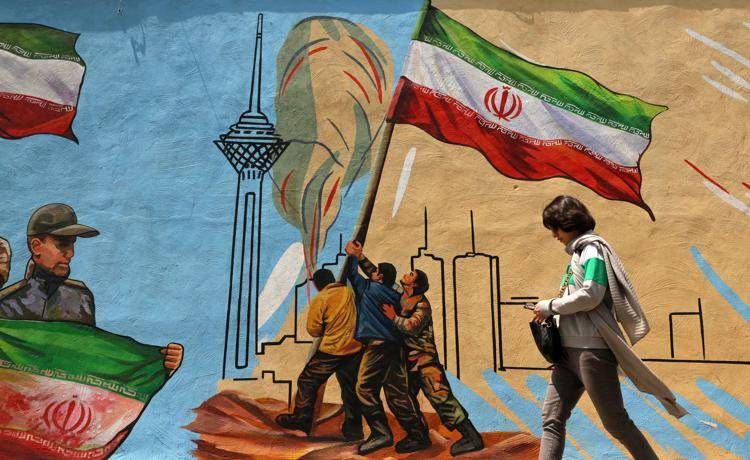
A 14-point draft outlines a ceasefire framework and 30-day talks on Iran’s nuclear program, sanctions relief, and maritime security The...
Read More
Narges Mohammadi in critical condition in Iran, lawyer says
5 Maggio 2026
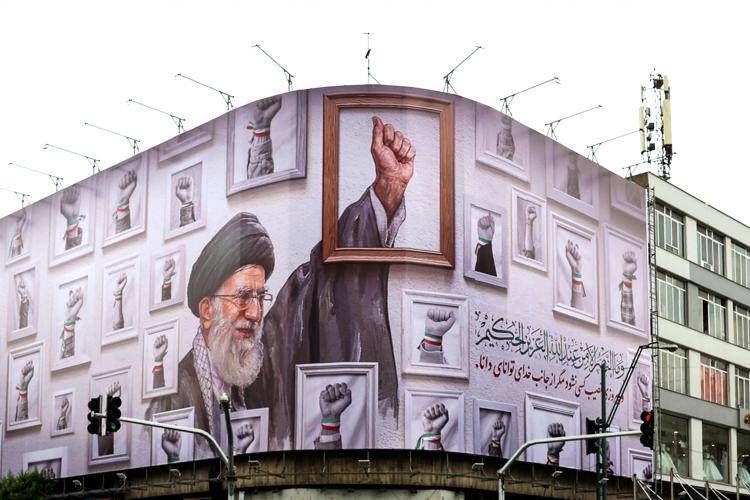
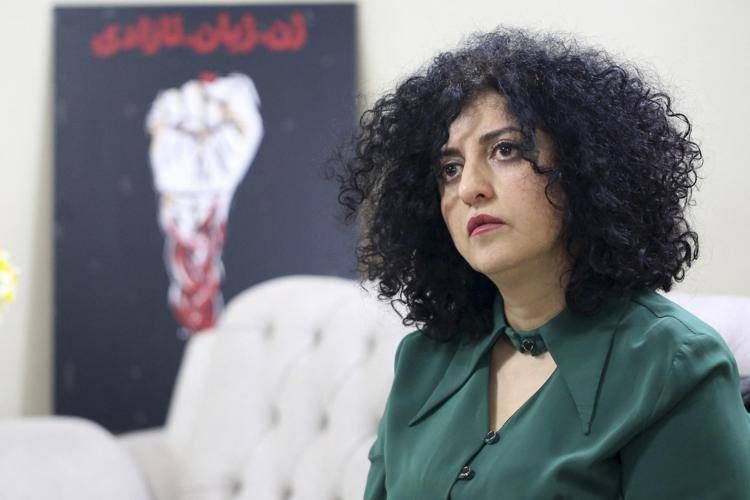
The 2023 Nobel Peace Prize laureate, detained since December, was moved to hospital for heart complications Narges Mohammadi in critical...
Read More
Sinner dominates Zverev 6-1 6-2 to win Madrid Masters 1000
3 Maggio 2026
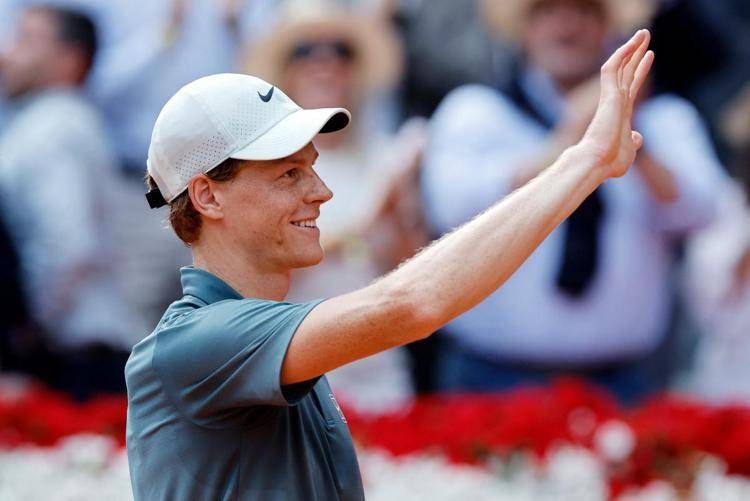
A one-sided final in Madrid: the Italian secures his fifth consecutive Masters 1000 title Sinner defeated Alexander Zverev 6-1 6-2...
Read More
(Photo: © AndKronos)