



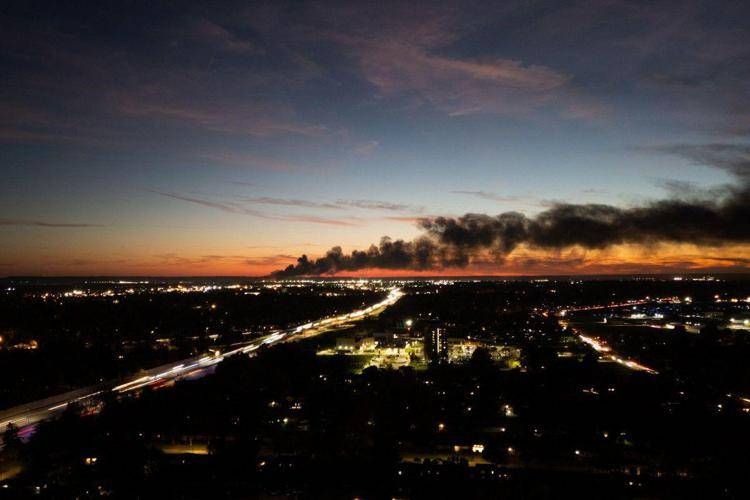


NATO hybrid warfare is at the centre of the Alliance's new strategic assessments NATO hybrid warfare has become one of...
Read More

Israel rejects withdrawal from Philadelphia Corridor: will not relinquish control

Despite the cease-fire agreement with Hamas, an Israeli official confirms that Israel will not abandon the Philadelphia Corridor, maintaining a firm line on the Egypt-Gaza border
Israel said it will not leave the Philadelphia Corridor, a narrow strip of territory on the border between Egypt and the Gaza Strip, despite the fact that the cease-fire agreement calls for a gradual withdrawal of Israeli forces from the area. A senior Israeli official, who wished to remain anonymous, explained to local reporters that Jerusalem does not intend to allow Hamas to rearm through arms smuggling into the Gaza Strip.
The corridor is a key transit route for smuggling, used by Hamas to bring in weapons and equipment. “We will not let Hamas terrorists return to threaten our borders with armed pickup trucks. We will not allow them to rearm,” the official said.
The failed agreement and tensions in negotiations
Last July, the Israeli team in charge of negotiating the release of the hostages believed they were close to an agreement with Hamas. However, Prime Minister Benjamin Netanyahu imposed additional conditions to maintain the Israeli presence along the Philadelphia Corridor, an action that temporarily derailed the talks. The new demand, aimed at border security, led to further tensions between the parties, but six months later an agreement was nevertheless reached.
The final agreement, accepted by Netanyahu, calls for Israel to begin withdrawing from the area beginning on the 42nd day of the first phase of the cease-fire, set for next Saturday, with completion expected by the 50th day, or March 9. Despite this, the Israeli official’s statement makes it clear that the government is not willing to comply with this clause entirely.
The announcement comes shortly after Israeli authorities completed the identification of the last four bodies released in the first phase of the ceasefire. This step was a crucial moment for the continuation of negotiations, but the Philadelphia Corridor issue threatens to further complicate relations between Israel and Hamas.
Israel continues to regard control of this strategic area as crucial to prevent the proliferation of weapons to Gaza, a priority that the official said will never be compromised, despite international pressure.
THE LATEST NEWS
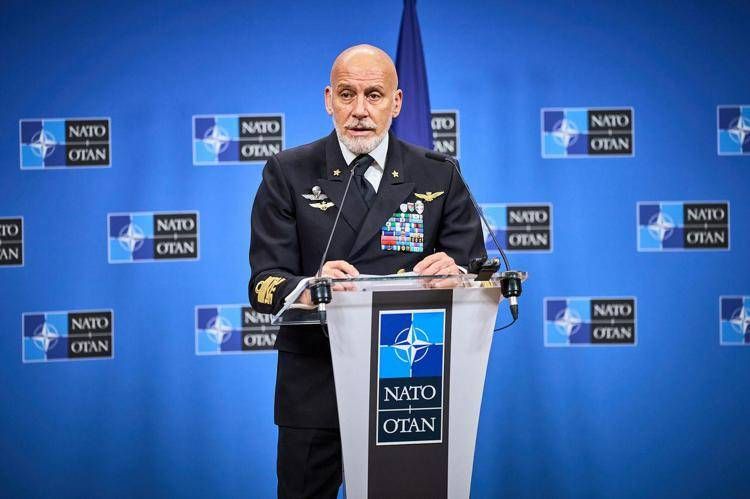
Pope Leo XIV and peace in the Middle East: appeal from Beirut
30 Novembre 2025
The Pontiff renews his commitment to peace in the Middle East during his visit to Lebanon Today, Sunday 30 November,...
Read More

Pope Leo XIV’s trip to Lebanon after his visit to Turkey
30 Novembre 2025
Pope Leo XIV’s trip continues across the eastern Mediterranean Pope Leo XIV’s trip enters its Middle Eastern phase today, as...
Read More
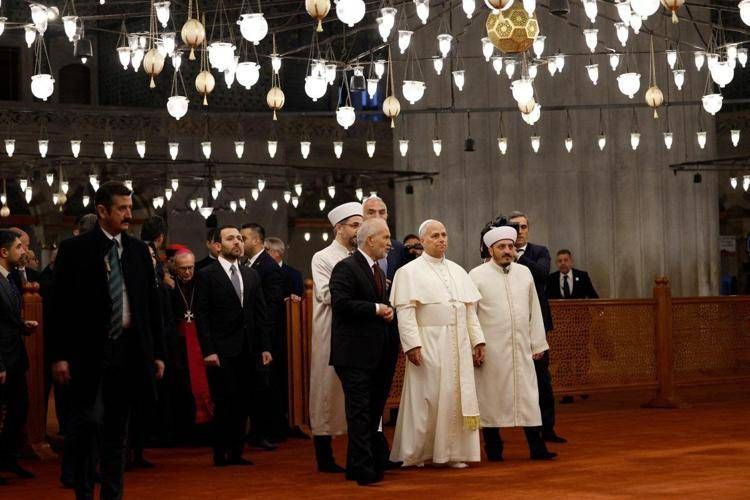
Trump and the plan for Ukraine: business at the heart of the strategy
29 Novembre 2025
The plan for Ukraine aims to turn negotiations into economic opportunities The plan for Ukraine circulating between Washington and Moscow,...
Read More
Airbus A320 recall causes disruption to global air travel
29 Novembre 2025
Airbus A320 recall causes cancellations and urgent repairs It has been a difficult day for international air traffic, in the...
Read More

Israel: two Palestinians killed in Jenin after surrendering
28 Novembre 2025
Israel launches investigation into police after killing of suspects in Jenin Two Palestinians were killed in Jenin, in the West...
Read More

Condividi su:


-
 World19 ore ago
Corea del Sud, allarme hacking telecamere Ip: quattro arresti
-
 Primo Piano17 ore ago
Venezuela, l’ultimatum di Trump a Maduro apre una crisi esplosiva
-

 News17 ore ago
Rapine minorili a Milano, arrestate tre ragazze dopo aggressioni violente
-

 Meteo16 ore ago
Meteo Italia, inizio dicembre con piogge e temporali fuori stagione