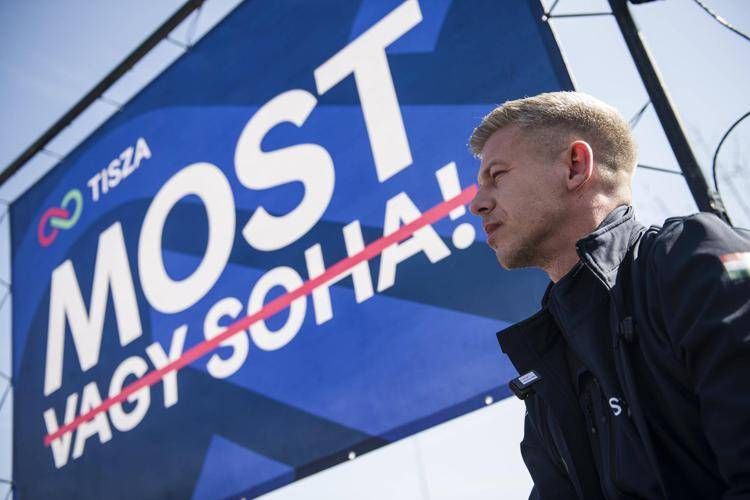
After 16 years in power, Viktor Orbán acknowledges a decisive loss to opposition leader Peter Magyar, whose Tisza movement is...
Read More
International-News
BBC faces criticism over media coverage bias in Gaza and Iran
Diplomatic and political figures highlight the uneven reporting of Gaza conflict and Iranian protests
In recent days, the BBC and other international outlets have been criticised for media coverage bias, accused by diplomats, politicians, and media analysts of applying different verification standards between the Gaza conflict and ongoing anti-government protests in Iran.
The dispute centres on the limited visibility given to protests erupting in Iranian cities in recent weeks, compared with the approaches adopted for Gaza over the past two years, revealing a clear media coverage bias in international reporting.
The controversy, highlighted by publications such as The Telegraph and journalist Eve Barlow, focuses on the differing thresholds of “authoritativeness” applied to field sources in the two scenarios, both marked by the absence of independent Western reporters. This selective approach has amplified perceptions of media coverage bias, with institutional sources from Hamas treated as newsworthy while Iranian civilian testimony is filtered or withheld.
During coverage of the Israel–Hamas conflict, major outlets regularly cited the Gaza Ministry of Health—operated by Hamas—as a primary source for casualty figures and reports. Coverage frequently relied on local journalists embedded with Hamas security forces, official Palestinian communications, and video material from the field. Despite partiality, this reporting was broadcast continuously, illustrating a media coverage bias that critics argue is inconsistent with the BBC’s treatment of Iran.
In contrast, editorial teams in London have cited verification difficulties as a reason for delaying or restricting publication of footage from Iranian protests. John Simpson, the BBC’s World Affairs Editor, defended this approach, stating that absolute factual certainty was required before broadcasting—further evidence of media coverage bias according to detractors.
The controversy gained diplomatic attention when the Israeli Embassy in London formally criticised the BBC for its “near-total silence” on Iran, contrasting it with intensive coverage of Gaza. Conservative MP Tom Tugendhat also condemned the broadcaster, asserting that media coverage bias led to an underestimation of the political significance of Iranian protests.
The BBC has rejected claims of bias, noting that its standards require verification of social media content, a process complicated by Tehran’s information lockdown. In recent hours, footage from protests appeared on the BBC homepage, with disclaimers noting that “peaceful protests” were not dispersed by security forces, while videos from Tehran streets reportedly show clashes and security personnel firing on unarmed demonstrators.
THE LATEST NEWS
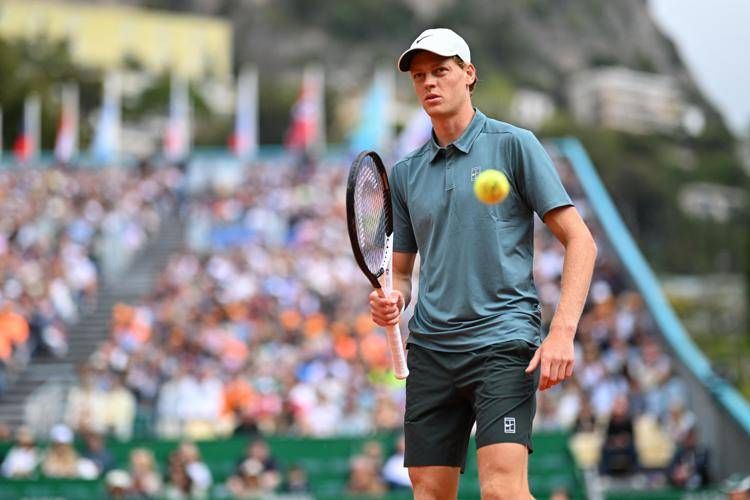
Sinner defeats Alcaraz to win Monte Carlo and claim world No. 1
12 Aprile 2026
The Italian beats the Spaniard 7-6(5), 6-3 in the final, sealing both the title and the top spot in the...
Read More
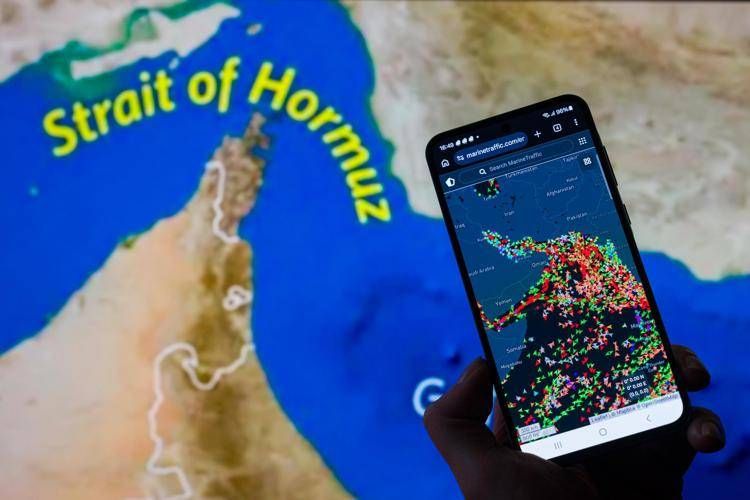
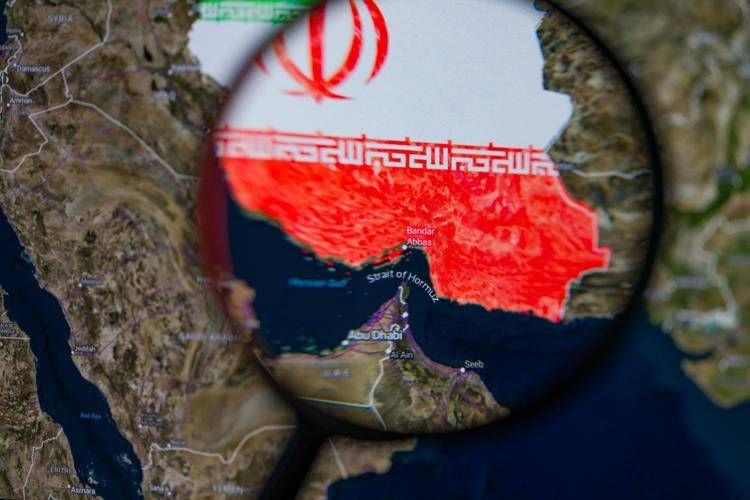
Iran Unable to Fully Reopen Strait of Hormuz Due to Naval Mines, U.S. Officials Say
11 Aprile 2026
New York Times cites Pentagon sources on technical limits; Trump pushes for reopening amid Islamabad talks with Tehran Iran would...
Read More
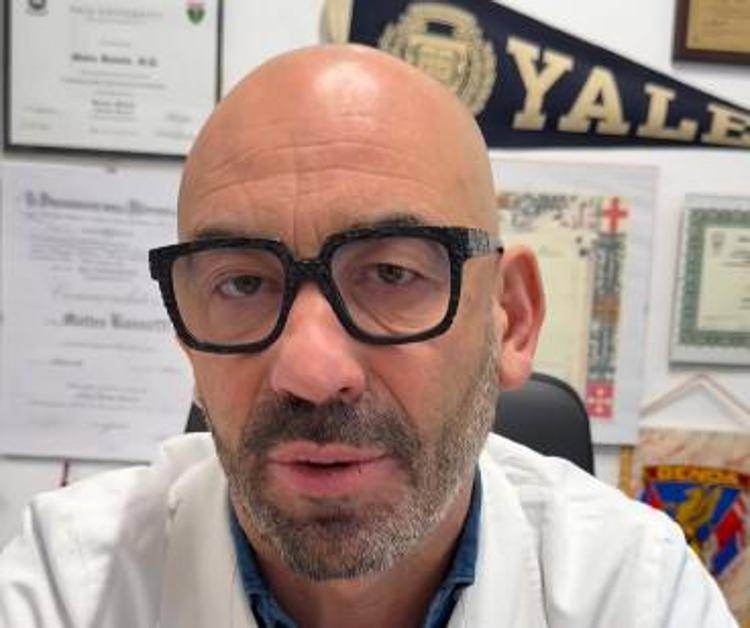
CDC Vaccine Report Delayed as Trump Administration Faces Criticism Over COVID Data
11 Aprile 2026
Washington Post reports postponement of study on vaccine effectiveness; Italian infectious disease expert Matteo Bassetti criticizes U.S. health leadership The...
Read More
U.S. Destroyers Cross Strait of Hormuz as Trump Announces “Clearing Operation”
11 Aprile 2026
WSJ cites sources confirming passage of two U.S. warships amid conflicting Iranian denials and renewed tensions over navigation in the...
Read More
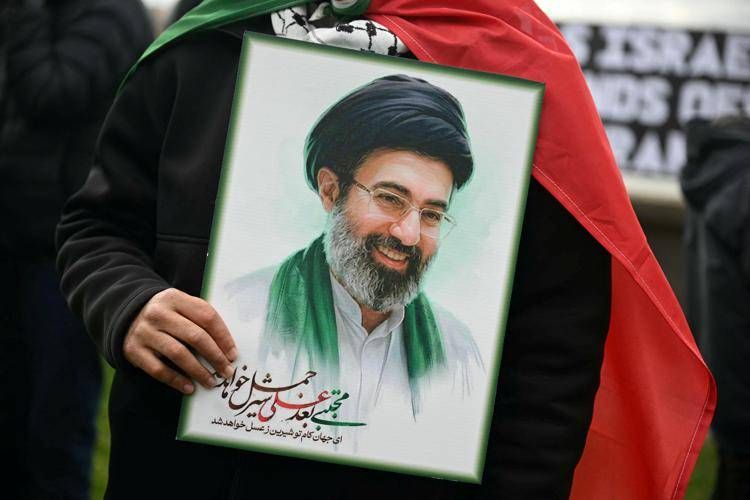
Mojtaba Khamenei Still Active After February 28 Israeli Strike, Report Says
11 Aprile 2026
Sources cited by Reuters say Iran’s new Supreme Leader is recovering from severe injuries but continues to take part in...
Read More
(Photo: © AndKronos)