



Official announcement aired at 5 a.m. local time; transition process for Supreme Leader succession begins as tensions escalate across the...
Read More
Elections in Belarus: climate of repression and fear over sham vote

Lukashenko tries to hold on to power, while the country experiences a climate of oppression
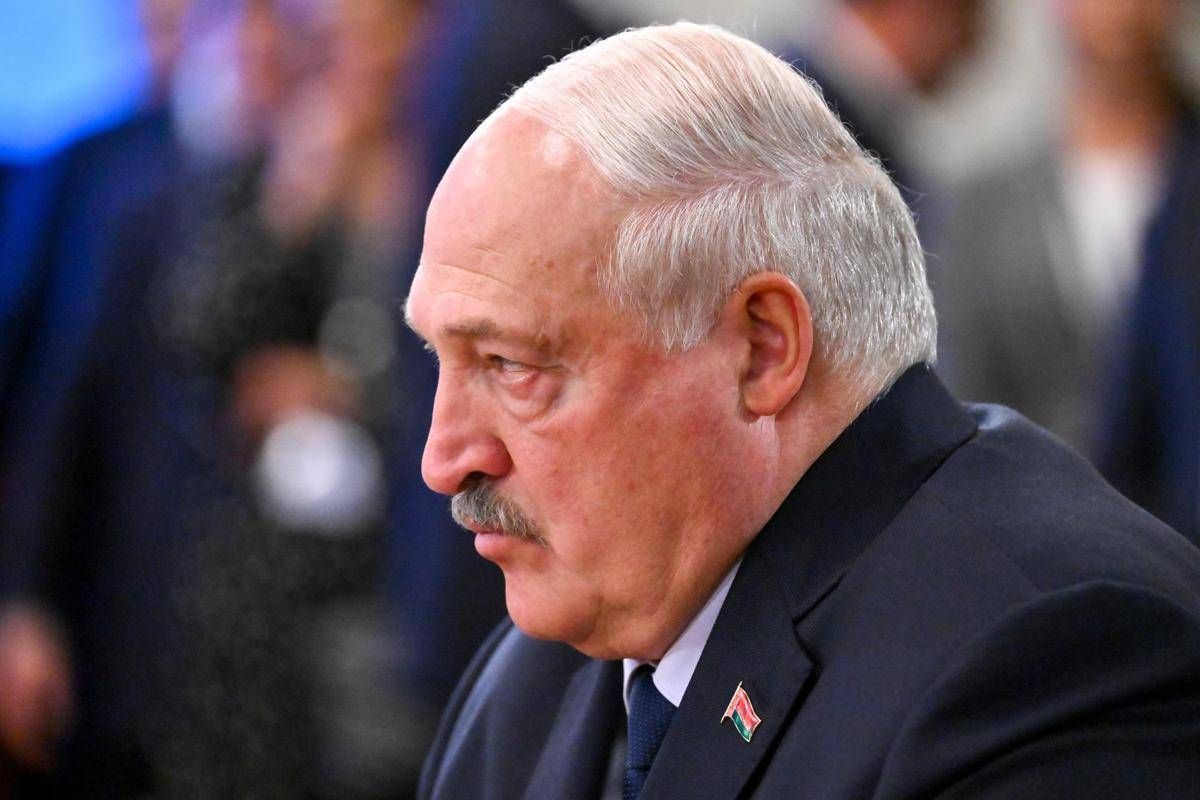
Polls opened today, Sunday 26 January, for the elections in Belarus, in a climate marked by political repression and fear. These elections represent the first electoral test for Aleksandr Lukashenko since the disputed vote in 2020, which had seen the challenge of opponent Svyatlana Tsikhanouskaya and a wave of protests suppressed by force.
The political context
Running for president are five candidates, including Lukashenko himself, in power since 1994, three representatives of pro-government parties and Hanna Kanapatskaya, presented as an independent, but considered close to the regime. Despite the leader’s absolute control, this election may be his last: at 70 years of age and with possible health problems, Lukashenko has hinted at the need for a generational change in the country’s leadership.
Post-election scenarios include a transfer of power to one of Lukashenko’s sons, in particular the youngest and favourite, 20-year-old Kolya, or to the Security Council of the All-Peoples’ Assembly of Belarus, a body that has been granted constitutional status since 2022 and which Lukashenko himself presides over.
Repression and climate of fear
The vote is being held in a country where dissent is virtually nullified. There are 1,246 political prisoners, according to the human rights organisation Viasna, including Nobel Peace Prize winner Ales Byalyatski, journalists and activists, many of them detained without contact with family members or lawyers. Since 2020, more than 3,200 people have been convicted for participating in protests against electoral fraud, while the actual number of political convictions could be double that.
Repression is not limited to direct opponents, but also extends to their families. In some cases, the children of activists are taken away and sent to orphanages. In 2023, more than 2,200 people, including men, women and couples, lost their parental rights, with charges often related to their political activism.
The opposition in exile
Svyatlana Tsikhanouskaya, forced into exile in Lithuania after 2020, has asked citizens not to take to the streets to avoid further violence, but to express dissent by voting ‘against all’ on the ballot paper, an option under the Belarusian system. However, the crackdown on independent media and pervasive surveillance have stifled any space for freedom, preventing the population from organising itself.
THE LATEST NEWS

Trump Suggests “Friendly Takeover” of Cuba as Talks with Havana Continue
28 Febbraio 2026
US president talks regime change approach framed around negotiation amid Cuba’s economic crisis and ongoing discussions led by Secretary of...
Read More

Trump launches massive campaign against Iran as diplomatic patience ends
28 Febbraio 2026
President orders a multi-day operation targeting Iran’s nuclear and missile capabilities after repeated refusals to negotiate President Donald Trump has...
Read More

Trump says Iran “never really wanted an agreement” after joint US-Israel attack
28 Febbraio 2026
Hours after the operation with Israel, the US president claimed Tehran repeatedly pulled back from deals and warned of long-term...
Read More

For Tehran, better war than a deal with the United States
28 Febbraio 2026
Israeli scholar Meir Litvak says Iran chose the risk of limited conflict over accepting US demands seen as a threat...
Read More

US and Israeli strike on Iran tests layered air defenses and interceptor stockpiles
28 Febbraio 2026
Long-range precision attacks, missile salvos and drone swarms expose the strengths — and limits — of the region’s offensive and...
Read More

(Photo: © AndKronos)
Condividi su:




-

 Primo Piano21 ore ago
Attacco di Usa e Israele all’Iran: raid su Teheran e Golfo, risposta iraniana
-

 Flash16 ore ago
Guido Crosetto bloccato a Dubai per la chiusura dello spazio aereo
-

 News16 ore ago
Italia rafforza la sicurezza sugli obiettivi sensibili americani e israeliani
-

 International-News16 ore ago
US and Israeli strike on Iran tests layered air defenses and interceptor stockpiles