





Trump weighs military or diplomatic moves against Iran, while former Iranian Vice President Sasan Karimi provides analysis on Tehran’s flexible...
Read More
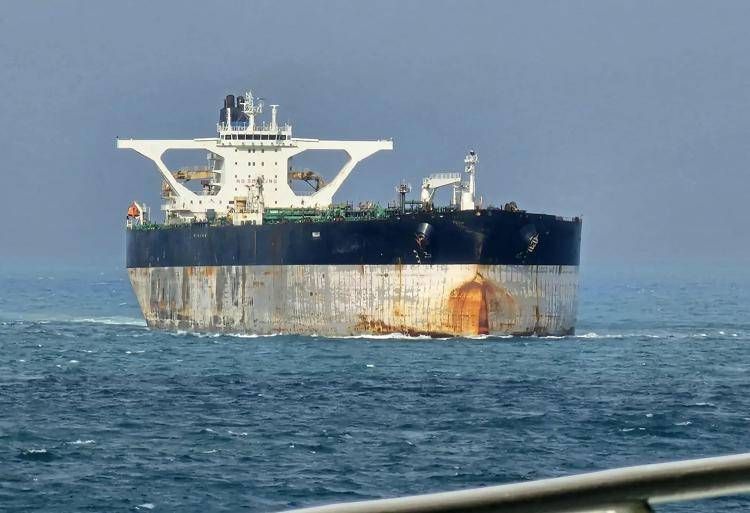
The seizure of the tanker Marinera raises tensions among major powers.

A rusting vessel suspected of belonging to shadow fleets has triggered diplomatic friction between Moscow, Washington, and London
The geopolitical debate surrounding the seizure of the tanker Marinera has intensified as Russia, the United States, and the United Kingdom exchange sharp reactions over the incident in the Atlantic. The vessel, more than twenty years old and sailing without any oil cargo at the time, had drawn the attention of British authorities because of its opaque ownership structure and frequent changes of flag.
British intelligence services had reportedly monitored the ship’s movements for an extended period, suspecting that it could be linked to so-called shadow fleets used by Russia, Iran, and Venezuela to circumvent Western sanctions. Although no official confirmation emerged regarding the transport of weapons or military equipment, the absence of commercial cargo reinforced concerns that the tanker might be operating outside normal trading patterns.
The ship is believed to be connected to a wider network of aging tankers and cargo vessels operating with limited insurance coverage, underpaid crews, and weak safety standards. These fleets are considered a key logistical tool for sustaining financial and supply flows despite international restrictions.
A turning point came when U.S. authorities intervened and carried out the seizure of the tanker Marinera, signaling Washington’s determination to disrupt not only energy shipments but also the maritime routes used to bypass sanctions and potentially move sensitive materials.
Originally built in 2002 as a tanker and chemical carrier, the vessel has operated under multiple names and flags over the years. In the past, it had been sanctioned for involvement in Iranian oil trade and was recently reported to have traveled between Iran and Venezuela before altering its route following an attempted boarding in the Caribbean.
Moscow strongly criticized the operation, accusing the United States of escalating international tensions and violating principles of maritime law. Russian officials stated that the ship was sailing as a civilian vessel and heading toward a Russian port, warning that any criminal prosecution of the crew would be unacceptable. Washington, however, maintains that enforcement actions are necessary to counter sanction evasion and protect international security frameworks.
The episode underscores how maritime enforcement has become an increasingly sensitive front in broader geopolitical competition, with shipping routes, logistics networks, and sanctions compliance now firmly embedded in strategic confrontation.
THE LATEST NEWS

Four Years After Russia’s Invasion of Ukraine: The Drone War Reshapes Modern Conflict
24 Febbraio 2026
From battlefield innovation to European defense policy, unmanned systems have transformed strategy, industry and security across the continent Four years...
Read More

Peter Mandelson arrested by Metropolitan Police in London
23 Febbraio 2026
Peter Mandelson arrested by Metropolitan Police in London on suspicion of misconduct in public office. Government to release files on...
Read More

Iran US tensions escalate as Trump weighs strike options
23 Febbraio 2026
Iran US tensions escalate as Trump weighs strike options ahead of Geneva talks. Tehran warns any American attack would be...
Read More

Succession to Khamenei: Larijani at the center of the new power structure
22 Febbraio 2026
The Supreme Leader strengthens the chain of command after the war with Israel and tensions with the United States: four...
Read More

Trump raises tariffs to 15% effective immediately
21 Febbraio 2026
The president escalates global trade duties a day after the U.S. Supreme Court struck down his previous tariff measures Trump...
Read More

(Photo: © AndKronos)
Condividi su:




-

 Tempo Libero12 ore ago
Obbligo di Eta per entrare nel Regno Unito per turismo
-

 In Evidenza22 ore ago
Allerta intelligence occidentali per possibile risposta dell’Iran
-

 International-News15 ore ago
Trump Evaluates Options While Former Iranian Vice President Karimi Analyzes Situation
-

 Eventi22 ore ago
CyberSec 2026 alla Scuola superiore di polizia il 4 e 5 marzo