Police say a single gunman opened fire across three homes following a domestic incident. The suspect was later shot dead...
Read More
International-News
Only Fordow destroyed: the White House conceals the true results of the attacks in Iran

Contrary to the official narrative, two of the three Iranian nuclear sites targeted by the US remain largely operational. Trump reportedly rejected a broader plan to avoid escalating the conflict
Only one of the three Iranian nuclear sites hit by the United States in the June raid — Fordow — was actually put out of action. The other two, Natanz and Isfahan, suffered limited damage and could be back up and running in the coming months. This is according to NBC News, which cites five American officials familiar with internal assessments of the actual effectiveness of the attacks.
This truth openly contradicts the public narrative filtered by the White House, which spoke of a systematic destruction of Iranian capabilities. A narrative that is functional but untrue to reality.
According to sources at the American broadcaster, President Donald Trump rejected a military plan by Central Command that called for a more extensive bombing campaign, spread over several weeks, aimed at targeting Iran’s entire nuclear apparatus. The reason? Trump did not want to drag the United States into a new conflict, but above all, he feared a high number of casualties, both American and Iranian.
‘We were ready to use all the options on the table, but the president said no,’ said one of the sources. A choice that, for some, denotes prudence, but for others risks leaving the work unfinished and Tehran free to rebuild.
Meanwhile, both Washington and Tel Aviv are considering whether to strike the less damaged facilities again if Iran does not return to the nuclear negotiations soon or give concrete signs of wanting to restore the operation of the sites that were hit.
The Fordow site, considered the most strategic of the three, has suffered damage that will delay Iran’s ability to enrich uranium by at least two years, according to two official sources. But beyond this partial result, the political reality remains: the Trump administration continues to tout a strategic victory that, in fact, appears much more fragile.
It is a communication that smacks of propaganda, with the White House intent on packaging successes, while on the ground Iran remains wounded but far from subdued.
THE LATEST NEWS

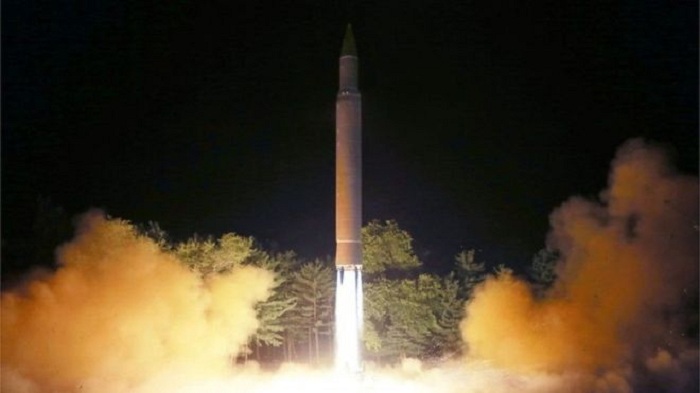
North Korea Fires Unidentified Ballistic Missile, Seoul and Tokyo Say
19 Aprile 2026
Japan and South Korea report a suspected ballistic missile launch as Pyongyang continues a series of weapons tests under Kim...
Read More
Donald Trump Approval Rating Falls to 37% in NBC News Poll
19 Aprile 2026
A new NBC News survey shows declining support for the U.S. president, with sharp criticism over the economy and his...
Read More
Several Injured in Iowa City Shooting Near University Campus Area
19 Aprile 2026
Police say multiple people were taken to hospital after gunfire erupted during a night incident near the University of Iowa...
Read More

UK security clearance failure for Mandelson triggers top resignation
17 Aprile 2026
Sir Olly Robbins steps down after Keir Starmer was not informed that Lord Mandelson failed top-level security vetting required for...
Read More
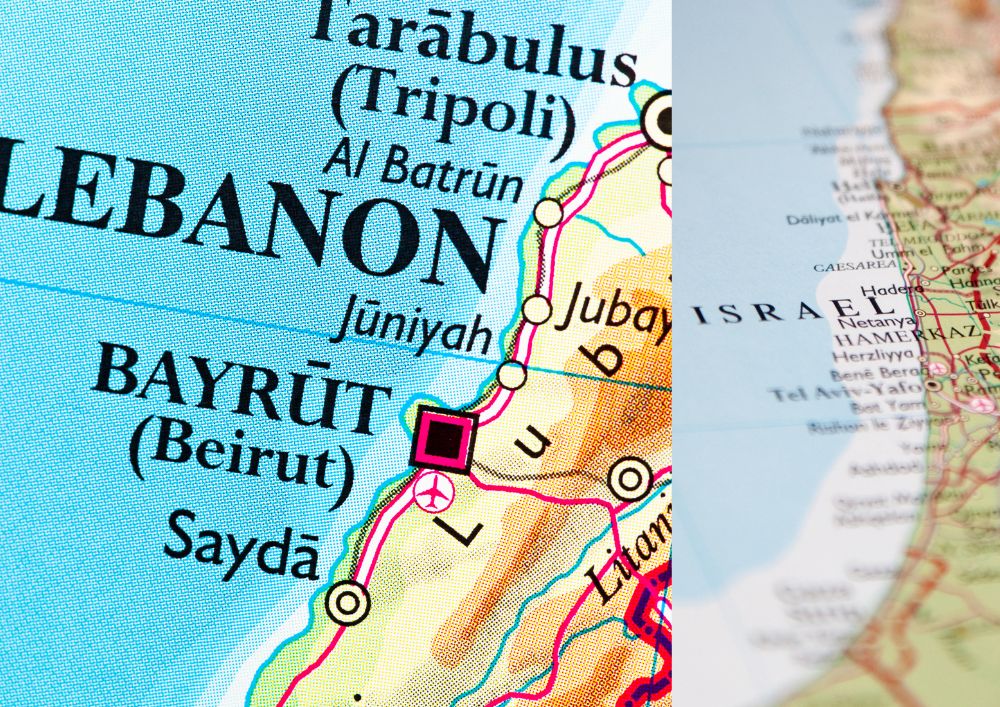
Israel-Hezbollah ceasefire, Trump announces 10-day truce taking effect at midnight
16 Aprile 2026
U.S. president says agreement follows talks with Netanyahu and Aoun, with White House meetings planned U.S. President Donald Trump announced...
Read More
(Photo: © AndKronos)