U.S. president says agreement follows talks with Netanyahu and Aoun, with White House meetings planned U.S. President Donald Trump announced...
Read More
International-News
Who Leads Iran Now After Khamenei’s Death
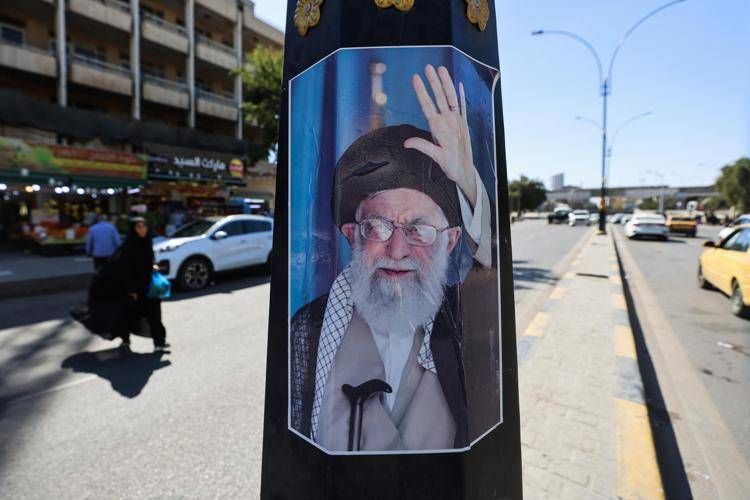
Tehran forms an interim leadership council to run the country following the killing of Supreme Leader Ayatollah Ali Khamenei
After the killing of Supreme Leader Ayatollah Ali Khamenei in a joint United States and Israeli attack, who leads Iran now after Khamenei’s death has become a central question in the country’s political transition. Iran’s constitution provides for a temporary governing structure in such cases, and Tehran has moved quickly to activate that process.
Interim Leadership Council Assumes Authority
In accordance with Article 111 of Iran’s Constitution, an interim Leadership Council has been established to assume the duties of the supreme leader until a permanent successor is elected by the Assembly of Experts. The council’s formation was confirmed by state news agencies and government officials.
The three members of the interim council are:
- President Masoud Pezeshkian, representing the executive branch;
- Chief Justice Gholamhossein Mohseni Ejei, head of Iran’s judiciary;
- Ayatollah Alireza Arafi, a senior cleric and member of the Guardian Council chosen as the jurist representative.
This council will manage state affairs while the Assembly of Experts, an 88-member body of Shiite clerics with constitutional authority over the supreme leader’s selection, prepares to elect a new leader.
Roles of the Interim Leaders
President Masoud Pezeshkian, elected in 2024, represents the executive authority in Iran’s transitional leadership. Following Khamenei’s death, he has said the interim council “has begun its work” and affirmed commitment to state continuity.
Gholamhossein Mohseni Ejei, head of the judiciary, brings a security and legal dimension to the interim leadership. A long-standing figure in Iran’s judicial and security apparatus, he plays a key role in maintaining institutional stability during the transition.
Ayatollah Alireza Arafi, selected by the Expediency Discernment Council, is the clerical member of the interim Leadership Council. Arafi’s appointment gives the body religious legitimacy, as he serves both on the Guardian Council and in the Assembly of Experts, which will eventually choose the new supreme leader.
Constitutional Framework and Next Steps
Under Iranian law, the interim council fulfills the functions of the supreme leader until the Assembly of Experts elects a permanent successor. The assembly’s decision is expected to occur “as soon as possible,” but no specific timeframe has been announced publicly.
During this period, the interim council is responsible for directing state affairs, overseeing security and ensuring continuity of governance. Senior figures such as Ali Larijani, head of the Supreme National Security Council, are also seen as influential in shaping the transition, although they do not sit on the interim body itself.
As who leads Iran now after Khamenei’s death remains a focus of both domestic and international attention, the constitutional mechanisms in place are designed to bridge the leadership gap while preserving the Islamic Republic’s institutional structures until a new supreme leader is chosen.
THE LATEST NEWS
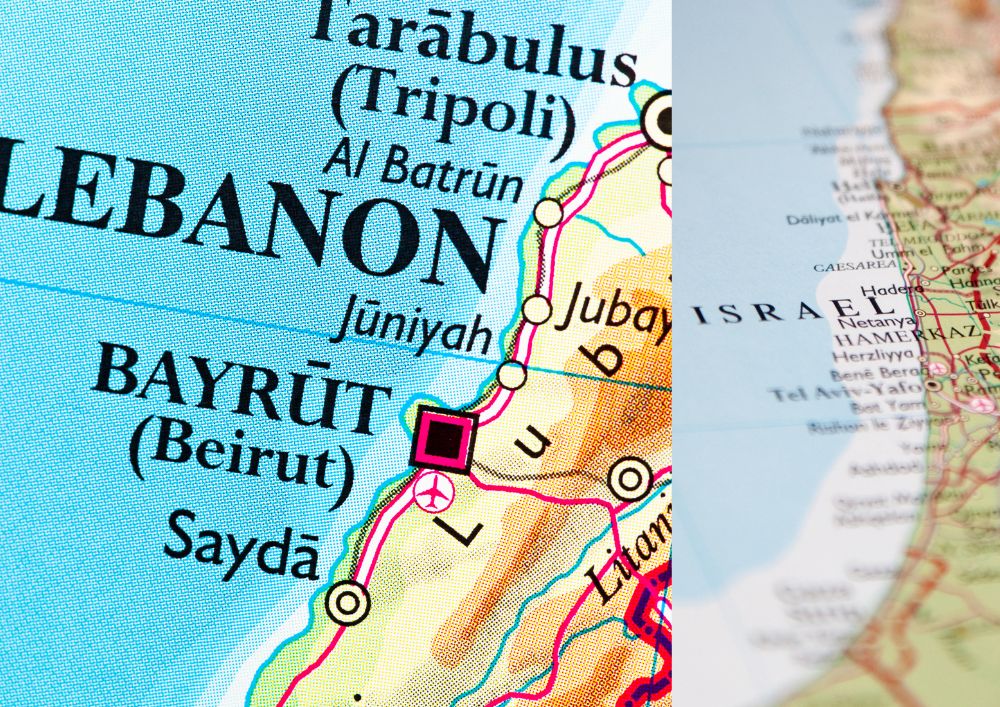
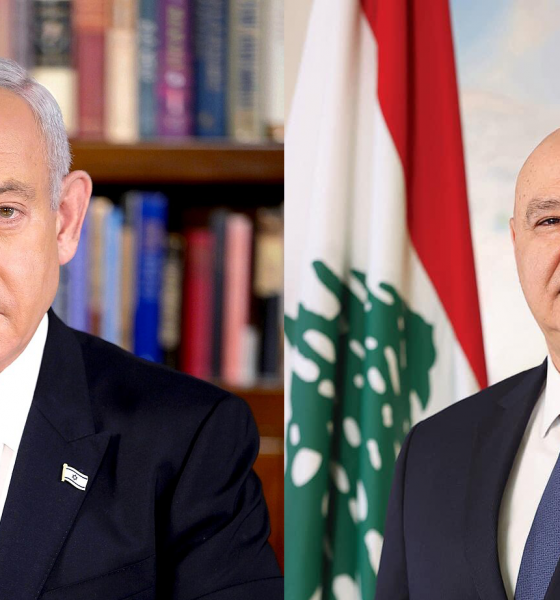
Israel-Lebanon leaders call stalls as Aoun refuses Netanyahu contact
16 Aprile 2026
Trump announces talks, but Beirut insists on ceasefire as condition U.S. President Donald Trump said Wednesday that the leaders of...
Read More
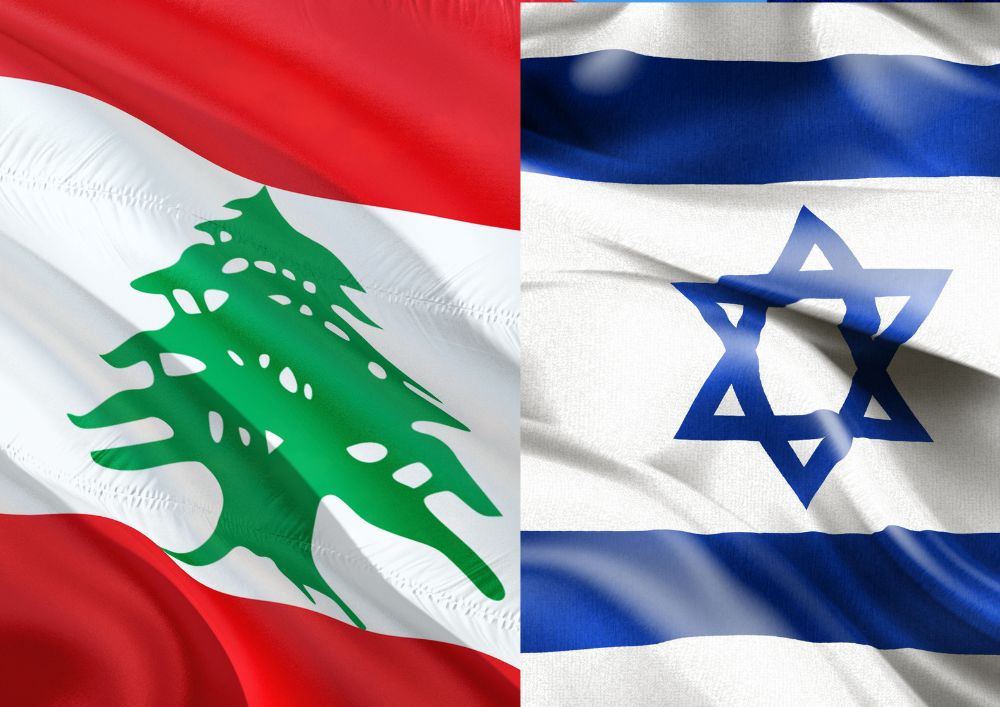
Netanyahu to Speak With Aoun as Israel-Lebanon Contacts Resume
16 Aprile 2026
U.S. signals precede confirmation from Israeli minister; Beirut had denied awareness of talks Israeli Prime Minister Benjamin Netanyahu is expected...
Read More
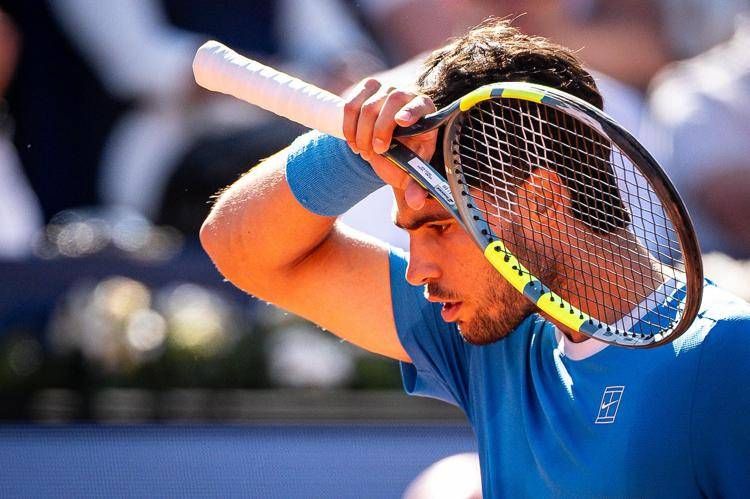
Alcaraz withdraws from Barcelona ATP, Sinner remains No. 1
15 Aprile 2026
Wrist injury halts Spaniard’s campaign and ends his bid to retake the top ranking Carlos Alcaraz has pulled out of...
Read More
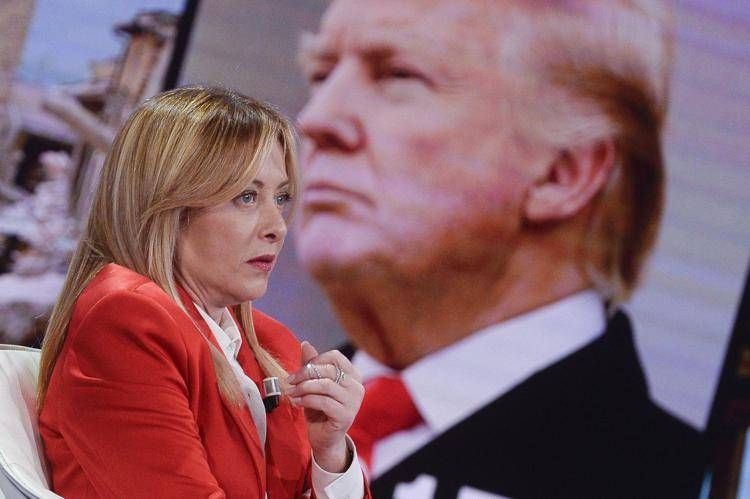
Trump attack on Meloni may boost poll numbers, analysts say
15 Aprile 2026
Pollsters suggest the Italian prime minister could gain support after distancing herself from the US president The Trump attack on...
Read More
UK asylum scam BBC investigation: migrants told to pose as gay
15 Aprile 2026
BBC probe uncovers network charging thousands to fabricate asylum claims based on sexual orientation A UK asylum scam exposed by...
Read More
(Photo: © AndKronos)