U.S. president says agreement follows talks with Netanyahu and Aoun, with White House meetings planned U.S. President Donald Trump announced...
Read More
International-News
US-Israel strike on Iran delayed by one week
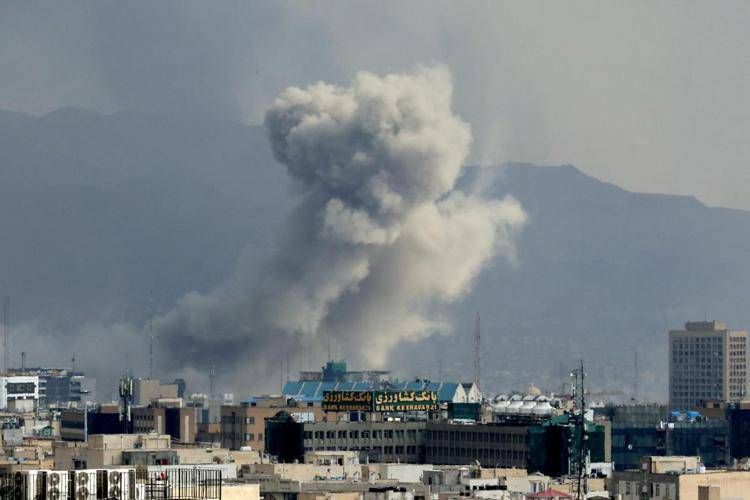
According to Axios, the operation was postponed for operational and intelligence reasons, leaving room for a final round of nuclear talks in Geneva
The US-Israel strike on Iran was originally planned for a week earlier than it ultimately took place. According to Axios, which cites senior American and Israeli officials, the green light for the operation was postponed for operational and intelligence-related reasons.
After the second round of talks between the United States and Iran ended on February 17 without significant progress, US and Israeli military planners were preparing to launch the strike four days later, on Saturday, February 21. However, the authorization never came.
Unfavorable weather conditions were cited by US officials as one of the factors behind the delay. An Israeli source, however, said the main reason was Washington’s request for closer coordination with the Israel Defense Forces. A senior official from the Trump administration described the past weeks as “very up and down,” dismissing some speculation while acknowledging that weather considerations played a role — “more in the minds of the Israelis,” as the official put it.
In the week between the originally scheduled date and the eventual strike, US and Israeli intelligence officials grew increasingly concerned that Iran’s Supreme Leader, Ali Khamenei, might relocate from his residence to an underground bunker. According to an Israeli intelligence official, both countries sought to signal that no immediate attack was imminent, so that Khamenei and other senior figures would feel secure. A senior Trump administration official told Axios that there was surprise when Khamenei did not move into a fortified shelter.
The postponement also created additional space for diplomacy. The extra week allowed for another round of nuclear talks in Geneva, offering Tehran what officials described as a final opportunity to reach an agreement.
Accounts gathered by Axios differ regarding the purpose of those talks. One Israeli official said the Geneva negotiations were intended primarily to buy time until the new strike date, maintaining the impression that diplomacy remained President Donald Trump’s preferred path. A second Israeli official, however, said the revised timeline was driven by tactical and operational considerations and that the negotiations were substantive. Had Trump seen genuine progress in Geneva, the strike could have been postponed again.
Two US officials disputed claims that the Geneva talks were merely a ruse. While acknowledging that Trump’s envoys, Jared Kushner and Steve Witkoff, were deeply skeptical about the prospects for a deal, they rejected the suggestion that the negotiations were conducted solely to mislead the Iranians.
When the morning session of the talks concluded on Thursday, Kushner and Witkoff returned with a final US proposal, which was rejected by the Iranian delegation. They then briefed Trump, who — according to Axios — set the machinery of war in motion.
THE LATEST NEWS

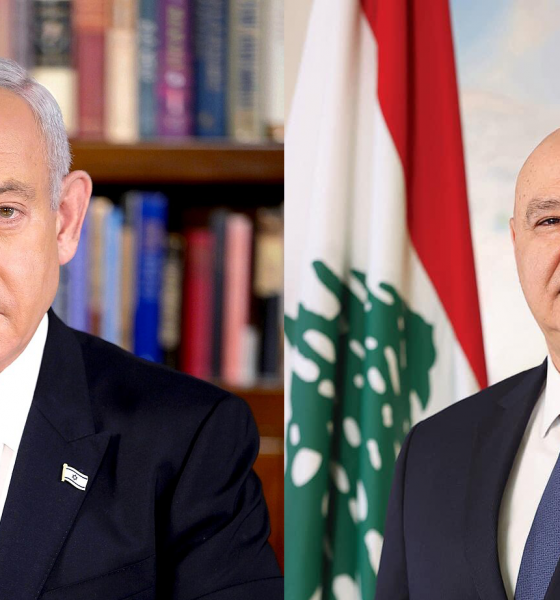
Israel-Lebanon leaders call stalls as Aoun refuses Netanyahu contact
16 Aprile 2026
Trump announces talks, but Beirut insists on ceasefire as condition U.S. President Donald Trump said Wednesday that the leaders of...
Read More

Netanyahu to Speak With Aoun as Israel-Lebanon Contacts Resume
16 Aprile 2026
U.S. signals precede confirmation from Israeli minister; Beirut had denied awareness of talks Israeli Prime Minister Benjamin Netanyahu is expected...
Read More
Alcaraz withdraws from Barcelona ATP, Sinner remains No. 1
15 Aprile 2026
Wrist injury halts Spaniard’s campaign and ends his bid to retake the top ranking Carlos Alcaraz has pulled out of...
Read More

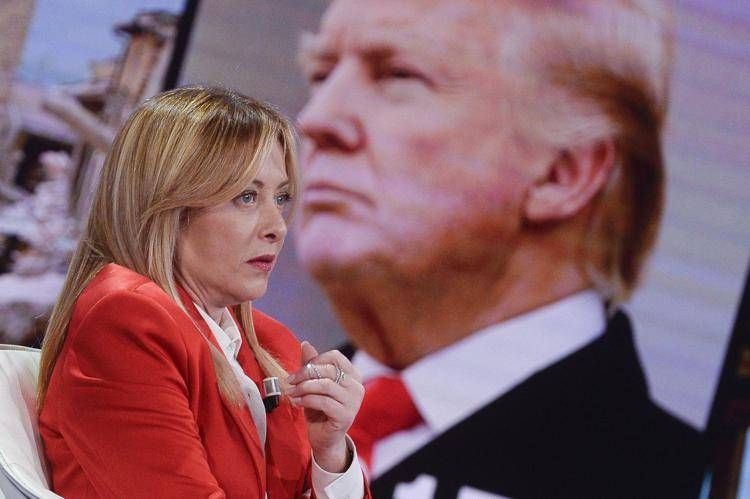
Trump attack on Meloni may boost poll numbers, analysts say
15 Aprile 2026
Pollsters suggest the Italian prime minister could gain support after distancing herself from the US president The Trump attack on...
Read More
UK asylum scam BBC investigation: migrants told to pose as gay
15 Aprile 2026
BBC probe uncovers network charging thousands to fabricate asylum claims based on sexual orientation A UK asylum scam exposed by...
Read More
(Photo: © AndKronos)