Pentagon plans were prepared and briefed at the highest level, but concerns over escalation, casualties and economic fallout led to...
Read More
International-News
Only Fordow destroyed: the White House conceals the true results of the attacks in Iran

Contrary to the official narrative, two of the three Iranian nuclear sites targeted by the US remain largely operational. Trump reportedly rejected a broader plan to avoid escalating the conflict
Only one of the three Iranian nuclear sites hit by the United States in the June raid — Fordow — was actually put out of action. The other two, Natanz and Isfahan, suffered limited damage and could be back up and running in the coming months. This is according to NBC News, which cites five American officials familiar with internal assessments of the actual effectiveness of the attacks.
This truth openly contradicts the public narrative filtered by the White House, which spoke of a systematic destruction of Iranian capabilities. A narrative that is functional but untrue to reality.
According to sources at the American broadcaster, President Donald Trump rejected a military plan by Central Command that called for a more extensive bombing campaign, spread over several weeks, aimed at targeting Iran’s entire nuclear apparatus. The reason? Trump did not want to drag the United States into a new conflict, but above all, he feared a high number of casualties, both American and Iranian.
‘We were ready to use all the options on the table, but the president said no,’ said one of the sources. A choice that, for some, denotes prudence, but for others risks leaving the work unfinished and Tehran free to rebuild.
Meanwhile, both Washington and Tel Aviv are considering whether to strike the less damaged facilities again if Iran does not return to the nuclear negotiations soon or give concrete signs of wanting to restore the operation of the sites that were hit.
The Fordow site, considered the most strategic of the three, has suffered damage that will delay Iran’s ability to enrich uranium by at least two years, according to two official sources. But beyond this partial result, the political reality remains: the Trump administration continues to tout a strategic victory that, in fact, appears much more fragile.
It is a communication that smacks of propaganda, with the White House intent on packaging successes, while on the ground Iran remains wounded but far from subdued.
THE LATEST NEWS
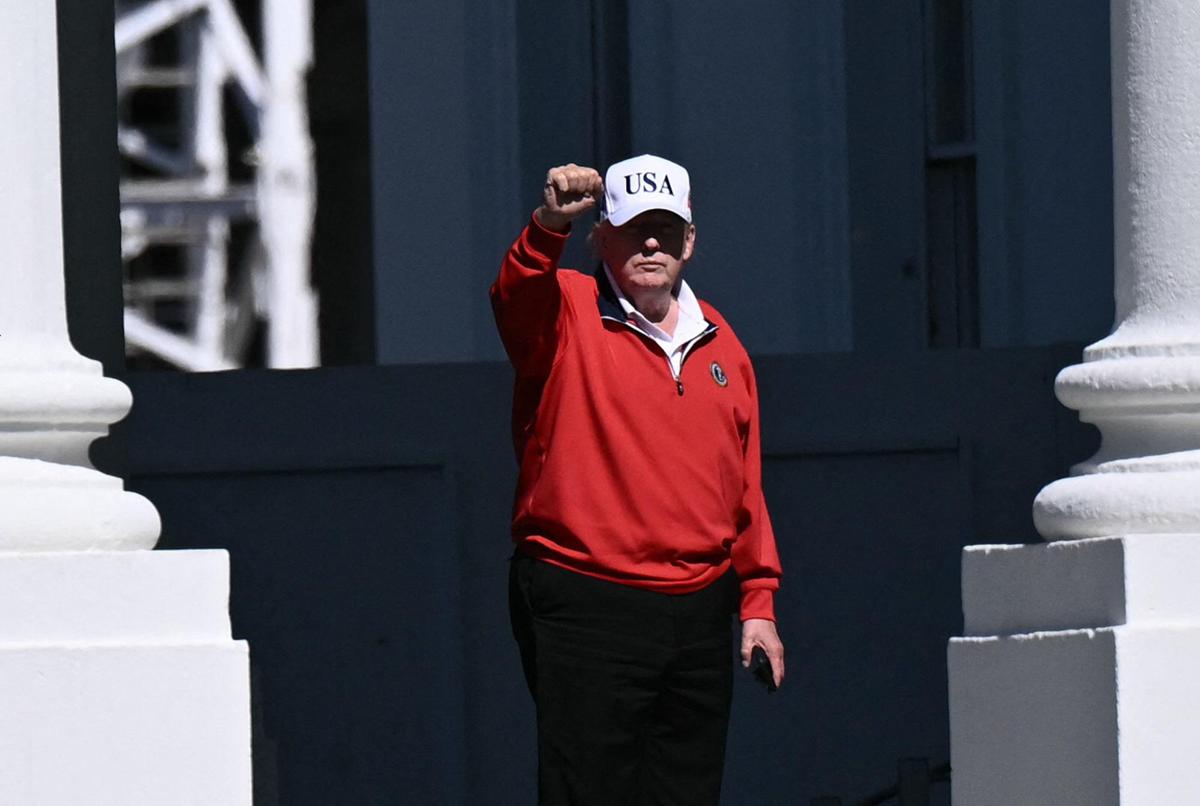
The United States-Iran ceasefire memorandum: Geneva Lake possible signing
13 Giugno 2026
Negotiations continue over location and conditions as diplomatic framework advances between Washington and Tehran Lake Geneva is being considered as...
Read More
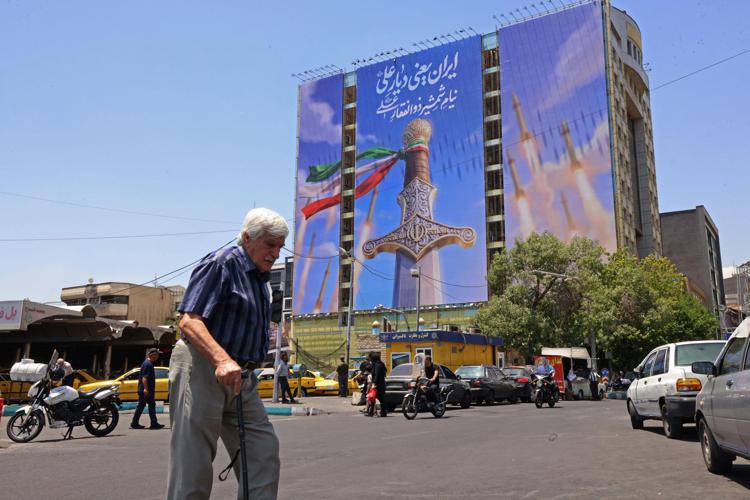
Trump Claims US–Iran Deal Reached as Markets React With Caution
11 Giugno 2026
The US president announces on Truth Social that strikes against Iran have been cancelled after an alleged agreement involving multiple...
Read More
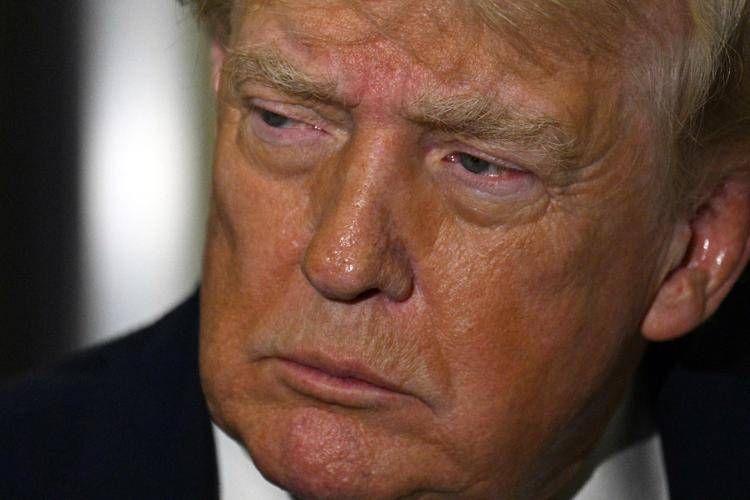
Trump Signals Continued Military Pressure on Iran Amid Fragile Negotiations Over Nuclear Deal and Oil Assets
11 Giugno 2026
U.S. President Donald Trump reiterates threats of sustained strikes and strategic pressure on Iran while diplomatic channels remain open over...
Read More

Bill Gates Testifies in Jeffrey Epstein Inquiry, Denies Knowledge of Crimes
10 Giugno 2026
Bill Gates told the U.S. House Oversight Committee he had no awareness of Jeffrey Epstein’s criminal activity and called their...
Read More
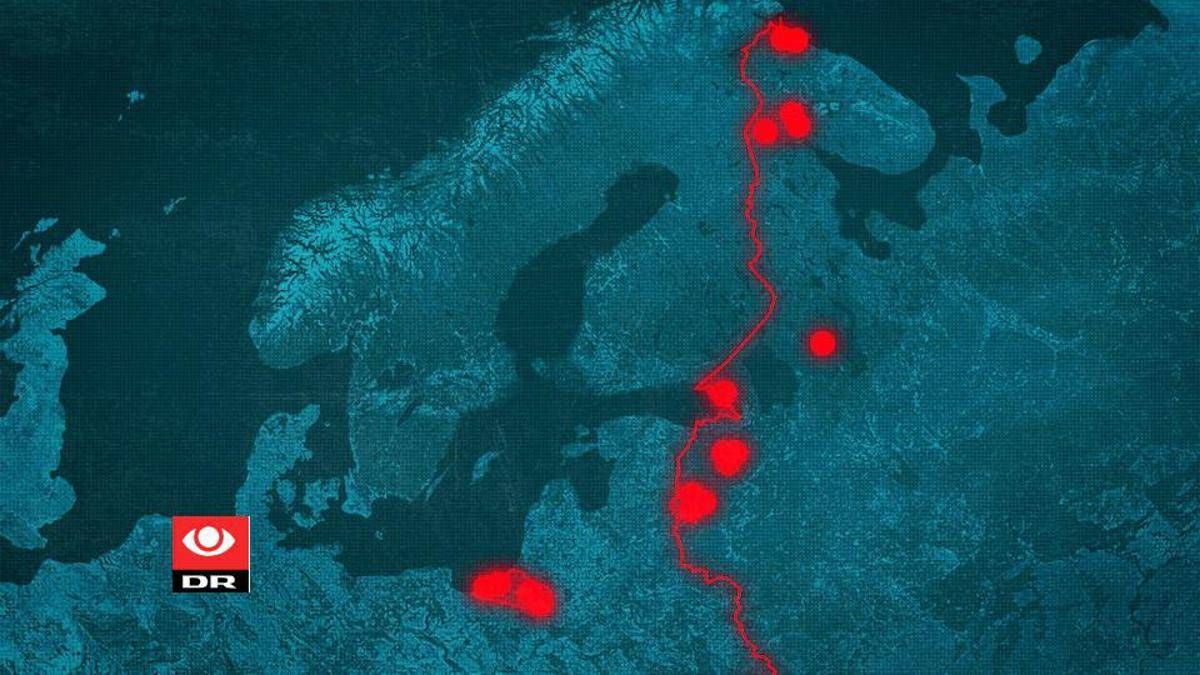
Russia prepares for possible NATO conflict in Northern Europe
10 Giugno 2026
A joint Nordic investigation points to a structural military buildup along Russia’s northern frontier, with a potential one-to-three-year window of...
Read More
(Photo: © AndKronos)