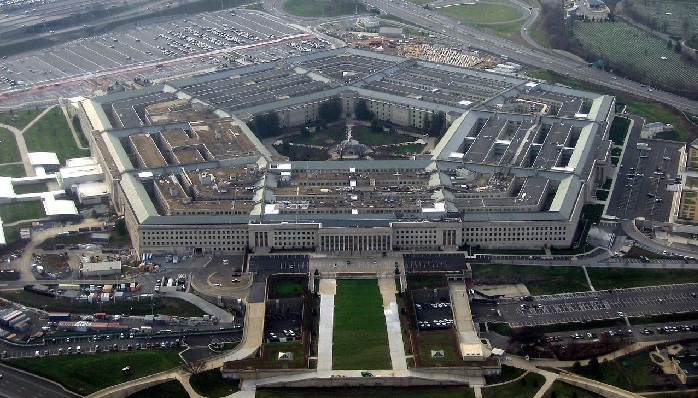
Pentagon report to Congress highlights rapid use of advanced weapons and rising conflict costs The United States has spent more...
Read More
International-News
‘Ukraine today, Taiwan tomorrow’: the parallel and geopolitical challenges
The interconnection between Taiwan and Ukraine is increasingly becoming a subject of geopolitical reflection. Taiwan’s role as a world power in semiconductor production, and its dependence on the US, fuels fears of a possible Ukraine-like scenario, with the growing threat from China.
The growing confrontation between China and Taiwan raises international concerns, which find parallels with the situation in Ukraine, which is under pressure from Russia. Although the context is different, many observers see Taiwan’s independence and its democracy as a link to Ukraine’s resistance, both under threat from geopolitical neighbours. Taiwan, with its semiconductor industry, is seen as a natural deterrent against increasing Chinese pressure. Taiwan’s so-called ‘silicon shield’, based on Taiwan Semiconductor Manufacturing Company (Tsmc), is a key strategic asset for the rest of the world, particularly the US.
Donald Trump’s arrival in the White House marked a major turning point for Taiwanese industry, with Tsmc announcing $100 billion in investments in the US. However, this has raised concerns in Taiwan, where some fear that US influence could weaken the island’s sovereignty and undermine the semiconductor industry. Former Taiwanese President Ma Ying-jeou, leader of the Kuomintang, accused the Democratic Progressive Party (DPP) government of caving in to external pressure, describing the sale of Tsmc to Trump as a ‘protection money’ paid to the US.
However, Taiwanese President Lai Ching-te tried to play down these concerns, calling the investment a ‘historic move’ that will strengthen Taiwan’s competitiveness and its international relations. Nevertheless, China has accused Taiwan of exploiting its semiconductor industry to fuel its independence aspirations, with Beijing threatening the use of force to achieve ‘reunification’.
The Chinese attitude towards Taiwan, seen as a ‘rebel province’, clashes with the US policy of support for the island, although Washington does not formally recognise Taiwan’s independence, maintaining its ‘one China’ policy. The affair thus not only fuels the debate on Taiwan’s autonomy but also raises questions about the strategic role of the United States, which could use Taiwan as a ‘bargaining chip’ in its geopolitical alliances.
The tension between the need to defend Taiwan’s independence and the importance of its international alliances remains high. While some observers fear that Taiwan may be sacrificed in favour of a greater balance, others believe that the country is able to resist external pressures due to its economic weight and its semiconductor industry.
THE LATEST NEWS
Elon Musk Remains the World’s Richest Person with $839 Billion Fortune
10 Marzo 2026
Forbes 2026 billionaires ranking highlights record gains for Musk and a surge in global wealth Elon Musk has solidified his...
Read More

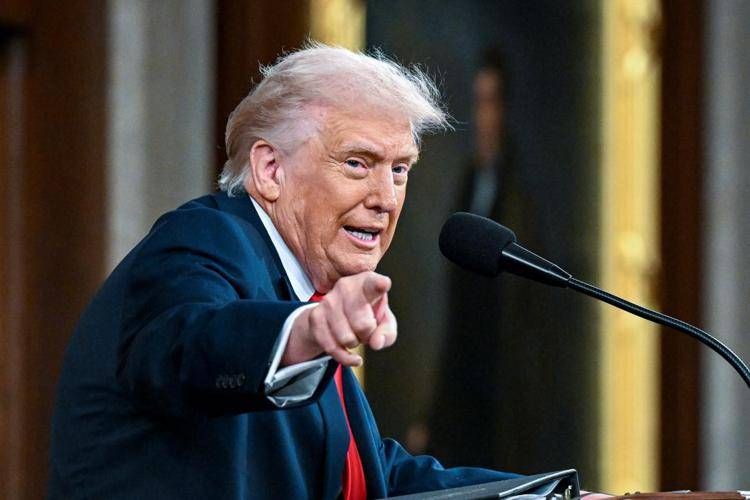
Donald Trump says war with Iran is nearing its end
9 Marzo 2026
The U.S. president claims American forces have severely weakened Iran’s military capabilities during the ongoing Operation Epic Fury U.S. President...
Read More
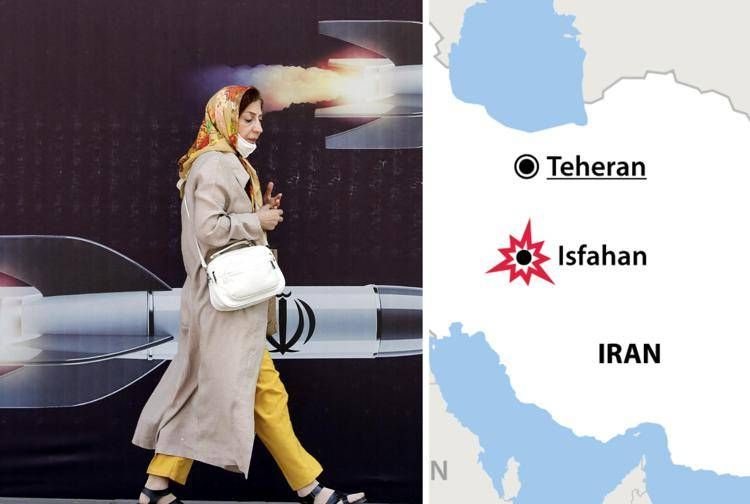
The enriched uranium stockpile at Isfahan at the center of the US-Iran standoff
9 Marzo 2026
After last year’s U.S. strikes, intelligence reports indicate that hundreds of kilograms of enriched uranium remain buried at the Iranian...
Read More
Fire near Glasgow Central station causes building collapse and rail shutdown
9 Marzo 2026
A major blaze in Union Street damaged a historic building near Scotland’s busiest rail hub. Firefighters worked through the night...
Read More

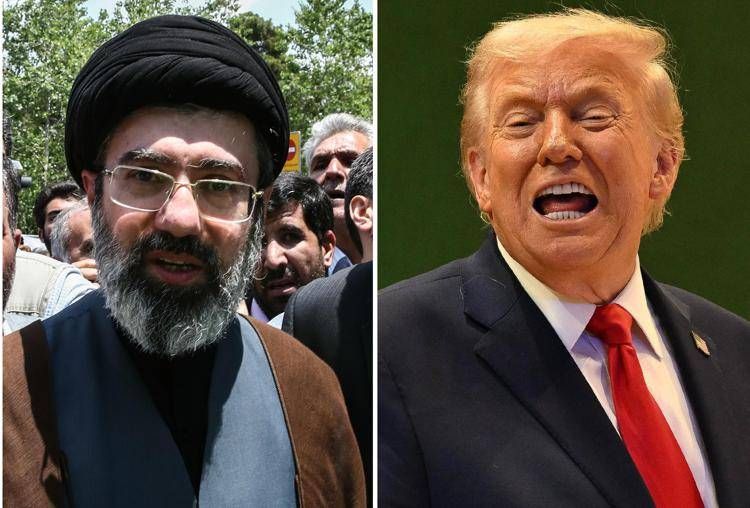
Mojtaba Khamenei becomes Iran’s Supreme Leader after Ali Khamenei
9 Marzo 2026
Iran’s Assembly of Experts appoints the son of the slain ayatollah as the country’s new Supreme Leader amid escalating confrontation...
Read More
(Photo: © AndKronos)