Israeli military source warns outcome hinges on removing Iran’s enriched uranium reserves An Israeli military source has warned that the...
Read More
International-News
The enriched uranium stockpile at Isfahan at the center of the US-Iran standoff
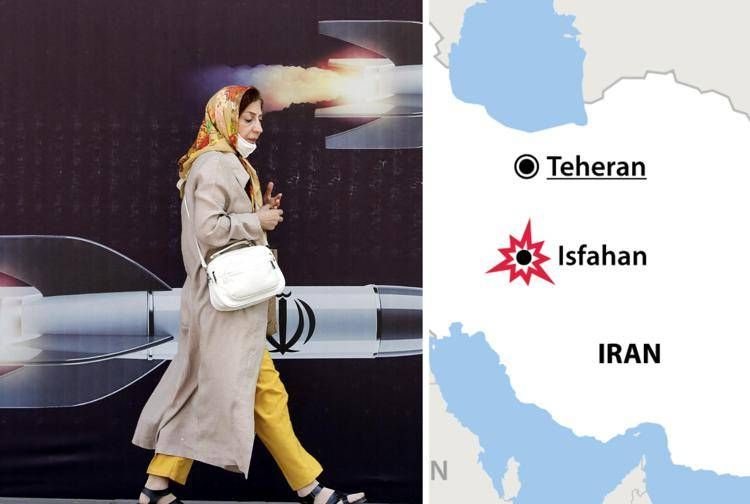
After last year’s U.S. strikes, intelligence reports indicate that hundreds of kilograms of enriched uranium remain buried at the Iranian site, raising concerns about a possible recovery operation
The enriched uranium stockpile at Isfahan at the center of the US-Iran standoff is emerging as a critical issue in the broader confrontation involving Iran, the United States, and Israel. While the regional conflict continues to evolve, attention is increasingly focused on what lies buried beneath the damaged Iranian nuclear site.
Former President Donald Trump has repeatedly described last year’s U.S. bombing campaign as devastating, saying the targeted facilities were “obliterated.” However, beneath the rubble of the Isfahan site remains what analysts consider a strategic asset: large reserves of enriched uranium essential to Tehran’s nuclear program.
According to U.S. sources cited by The New York Times, Iran is believed to possess roughly 440 kilograms of enriched uranium. Much of that material is stored at Isfahan and enriched to about 60 percent purity. For nuclear weapons production, enrichment would need to reach roughly 90 percent. Experts note that if centrifuges at Iranian facilities were operating, completing the final step of enrichment could be relatively straightforward.
The enriched uranium stockpile at Isfahan at the center of the US-Iran standoff has therefore become a key factor in strategic calculations. Intelligence assessments referenced by The New York Times suggest that although access tunnels were sealed after the bombing, Iran might still be able to reach the uranium through another viable entry point.
It remains unclear how difficult it would be to retrieve and transport the material, which is stored in gaseous form. During the June air campaign last year, the United States struck the nuclear sites at Natanz and Fordow with bunker-buster bombs designed to penetrate deep underground. The Isfahan complex, by contrast, was reportedly hit with Tomahawk missiles, which tend to cause more limited surface damage.
Satellite imagery taken shortly after the strikes showed extensive excavation work around the entrances to underground tunnels, apparently moving large quantities of soil and debris to block or seal access points. Similar activity has been observed in more recent months, including as recently as February, possibly aimed at further shielding the site and its contents from potential attacks.
The enriched uranium stockpile at Isfahan at the center of the US-Iran standoff is now under constant surveillance by U.S. intelligence agencies. Officials in Washington believe they would likely detect suspicious movements or the early stages of any attempt to recover the uranium.
Trump has suggested that Washington would not remain passive if such an operation were detected. Asked about the possibility of sending ground troops into Iran, he responded cautiously: “Right now we’re decimating them. Sending soldiers? It’s something we could consider later, but not at this moment.”
According to The New York Times, the United States did not attempt to retrieve the uranium after last year’s attacks, judging the operation too dangerous. That assessment appears largely unchanged today. Any mission to seize the material would likely involve special forces and would carry significant risks, potentially requiring intensified air operations beforehand.
For now, military intervention remains only one of several options under consideration. From Washington’s perspective, the preferred strategy may be continued air pressure on Iran, pushing Tehran to use the uranium reserves as leverage in negotiations aimed at ending the conflict.
THE LATEST NEWS
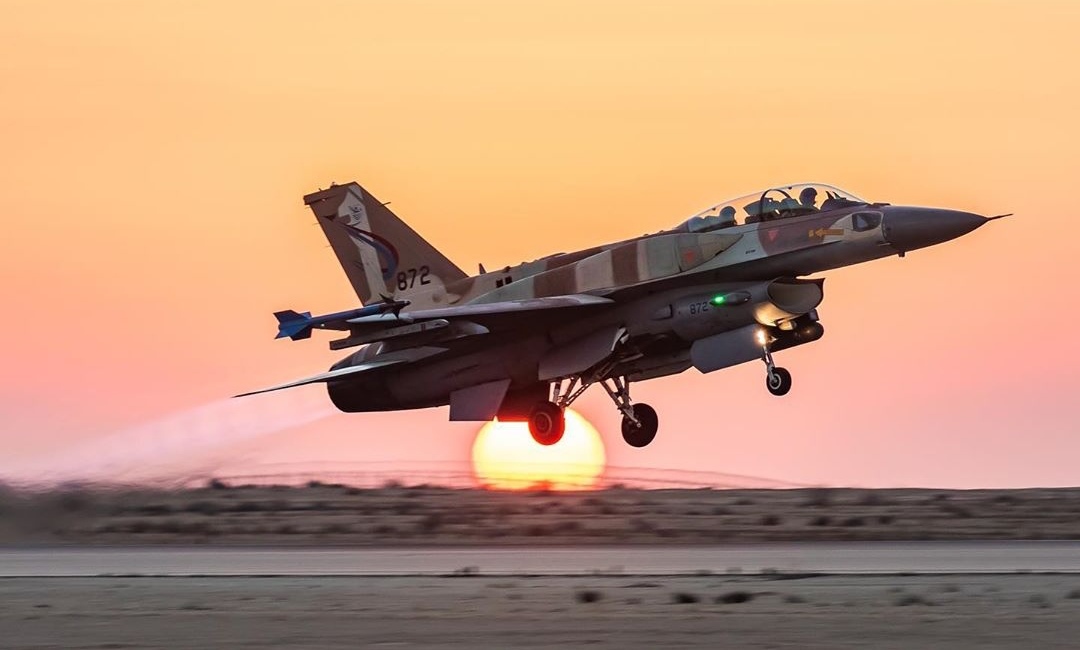
Africa Corps retreat from Kidal marks setback in Mali
28 Aprile 2026
Russian-backed paramilitary forces pull out after coordinated attacks by jihadists and Tuareg rebels across northern Mali The Africa Corps retreat...
Read More
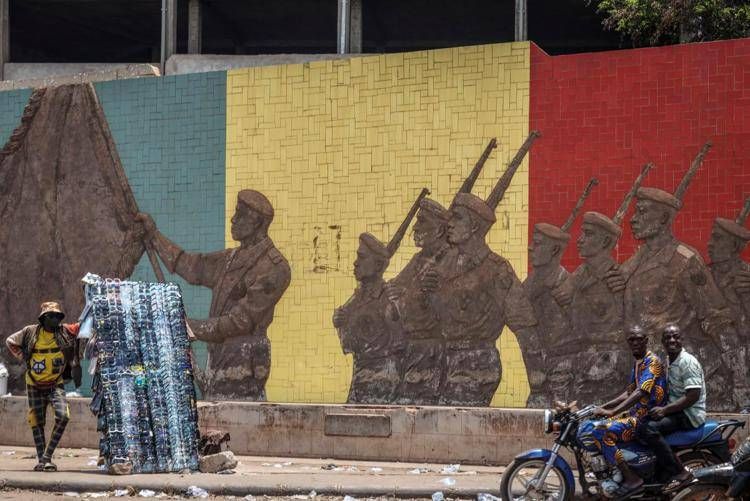
Russian oligarch yacht Nord crosses Strait of Hormuz
28 Aprile 2026
Luxury vessel linked to Alexey Mordashov sails through strategic waterway despite naval restrictions by Iran and the United States The...
Read More
Chernobyl Disaster at 40: Radiation Legacy and New Nuclear Tensions
26 Aprile 2026
The 1986 reactor explosion remains the worst nuclear accident in history, while the site continues to face modern security risks...
Read More
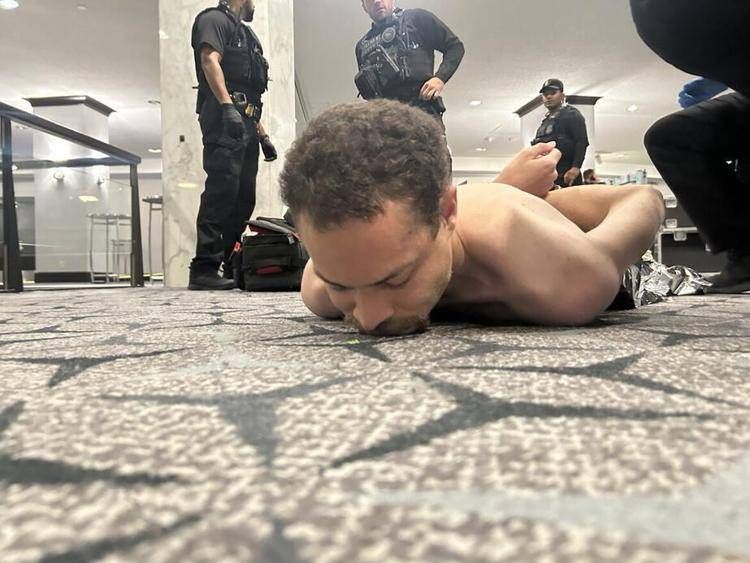
Trump posts suspect image after Washington shooting arrest
26 Aprile 2026
President says attacker acted alone; FBI urges public to share information as investigation expands. Donald Trump shared on Truth Social...
Read More
US Special Forces Soldier Arrested Over Maduro Operation Insider Trading Scheme
24 Aprile 2026
Federal prosecutors say the servicemember used classified intelligence tied to “Operation Absolute Resolve” to place high-stakes bets on Polymarket, netting...
Read More

(Photo: © AndKronos)