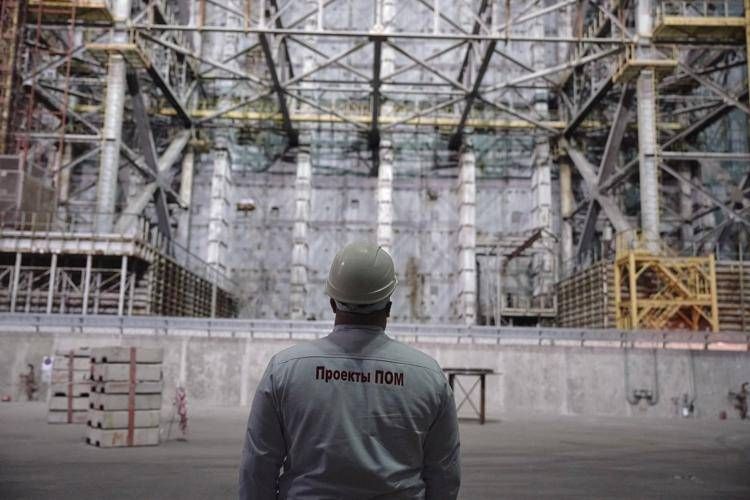
A one-sided final in Madrid: the Italian secures his fifth consecutive Masters 1000 title Sinner defeated Alexander Zverev 6-1 6-2...
Read More
International-News
Post-Assad Syria: one year after the fall of the regime

One year after the fall of Bashar al-Assad, al-Sharaa’s Syria celebrates Liberation Day amid international openings, economic crisis, sectarian violence and new dossiers on the crimes of the old regime
7 and 8 December have been designated by decree of the Syrian presidency as Liberation Day, commemorating the first anniversary of the fall of Bashar al-Assad’s regime. Ahmed al-Sharaa, the new leader, describes the anniversary as a defining moment in the country’s modern political history, evoking the swift and unexpected offensive that, on 8 December 2024, led to the collapse of one of the most bloody regimes in the Middle East.
Assad’s flight to Moscow was also made inevitable by the gradual disengagement of his two historic allies, Russia and Iran, both overwhelmed by internal conflicts and priorities that weakened their support for Damascus.
Diplomacy and international recognition: the return to the global stage
In his first year in office, al-Sharaa worked to reintegrate post-Assad Syria into the international arena after years of isolation. This strategy led to signs of openness from several Western countries, including the United States: his meeting with Donald Trump at the White House on 10 November last year marked the beginning of a process towards the easing of sanctions on Damascus.
The Gulf countries are also increasingly favourable towards the new course, after having supported — amid much ambiguity — various anti-Assad armed factions. Relations with Israel, however, remain cold, despite attempts to reactivate formal dialogue.
Post-Assad Syria between Ankara and the risk of a new sectarian order
Post-Assad Syria is seeking to redefine its geopolitical balance by forging a strategic alliance with Turkish President Recep Tayyip Erdogan. This alliance marks a break with the political and military dependence on Moscow and Tehran that developed during the Assad years.
Despite improved internal stability — no new large-scale conflicts in the last year — there are still fears about al-Sharaa’s methods of government. Many observers denounce the creation of parallel structures to the state and the appointment of trusted figures, including former jihadist comrades, to key positions.
Sectarian tensions and targeted violence
The situation of minorities remains critical. Two massacres carried out by pro-government forces against Alawite and Druze communities have reignited fears of a new Sunni elite domination. Al-Sharaa has condemned the attacks, but many communities remain wary.
Collapsing economy: a country without resources
Syria’s GDP has fallen by more than 70% since 2011. Millions of citizens live without essential services. In twelve months, the presidency has been unable to address the structural problems of the economy, but has attempted to preserve a fragile internal stability, even defying the predictions of those who feared the imposition of strict religious codes: in Damascus, bars, clubs and public spaces remain open.
Crimes of the Alawite regime: new evidence that is shaking post-Assad Syria
A new investigation by German public television has brought attention back to the crimes of the Assad regime: an archive of over 70,000 photographs and thousands of confidential documents, leaked by a former member of the army. The images, taken between 2015 and 2024, show 10,212 corpses — men, women, children and even a newborn baby — with clear signs of torture, malnutrition and systematic violence.
This documentation is likely to have serious political and legal repercussions for the country’s future.
The shadow of former loyalists: funding and destabilisation
From exile in Moscow, key figures from the old regime — including General Kamal Hassan and tycoon Rami Makhlouf — are reportedly funding militias with the aim of destabilising the new Syria. According to local sources, millions of dollars have already been sent to over 50,000 potential fighters, mainly in Alawite communities, fuelling the risk of new internal divisions.
Towards parliamentary elections: the decisive test
Elections for the new Parliament will be held in January, an event that could become the first real institutional counterweight after decades of personal power. Or, on the contrary, it could turn out to be a mere political formality.
The outcome of the elections will be crucial in determining whether post-Assad Syria will embark on the path of reform or slide into a new cycle of authoritarianism.
THE LATEST NEWS
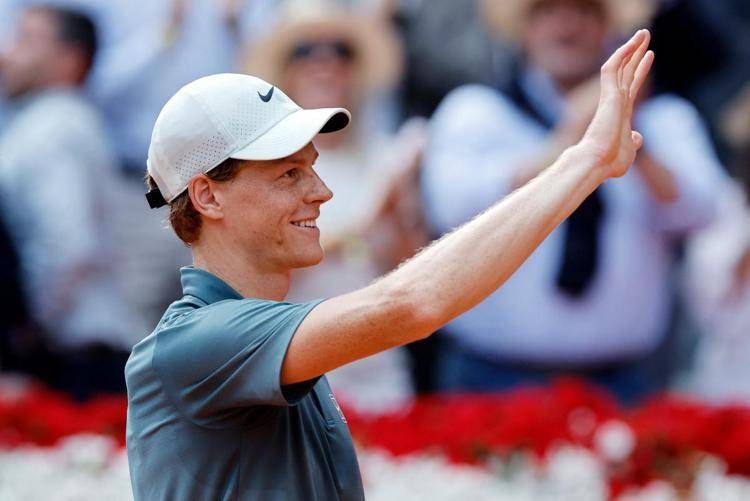
Iran proposal to the US rejected by Trump over key demands
2 Maggio 2026
Tehran outlines terms on Hormuz, sanctions, and nuclear talks, but Washington deems the offer insufficient The Iran proposal to the...
Read More
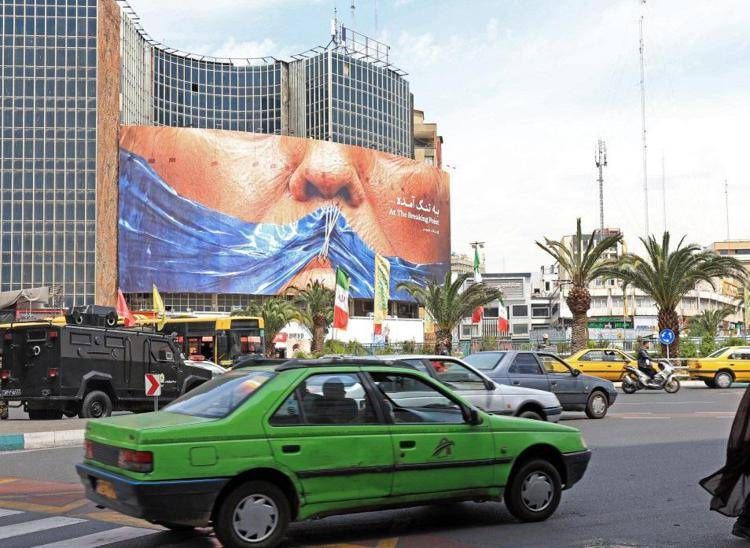
Israel: without the removal of uranium, the war in Iran is a failure
1 Maggio 2026
Israeli military source warns outcome hinges on removing Iran’s enriched uranium reserves An Israeli military source has warned that the...
Read More
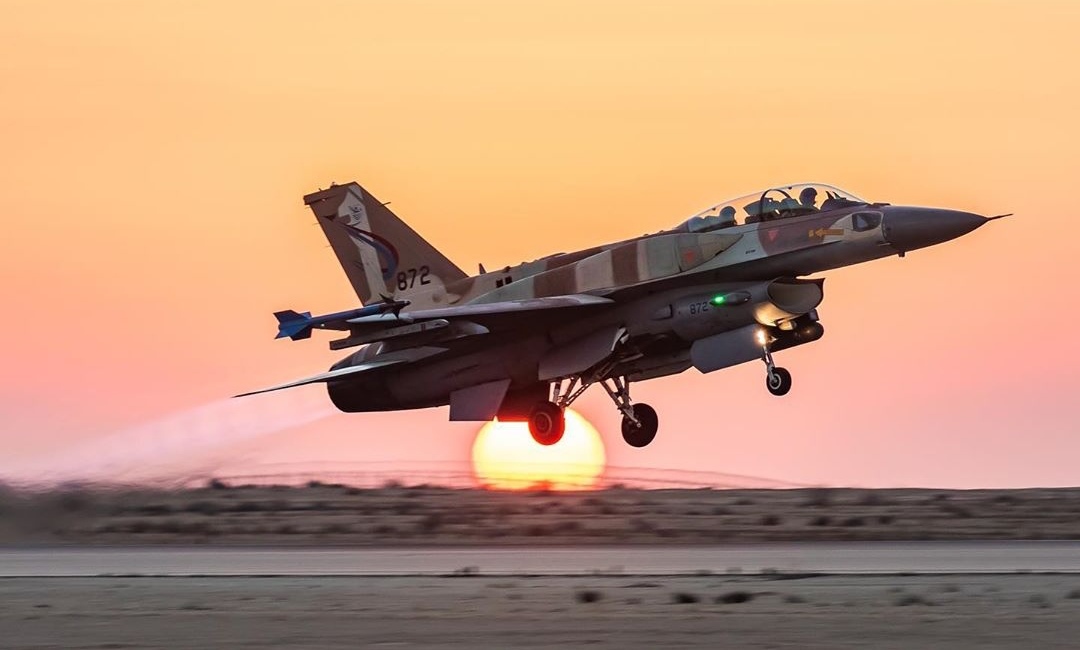
Africa Corps retreat from Kidal marks setback in Mali
28 Aprile 2026
Russian-backed paramilitary forces pull out after coordinated attacks by jihadists and Tuareg rebels across northern Mali The Africa Corps retreat...
Read More
Russian oligarch yacht Nord crosses Strait of Hormuz
28 Aprile 2026
Luxury vessel linked to Alexey Mordashov sails through strategic waterway despite naval restrictions by Iran and the United States The...
Read More

Chernobyl Disaster at 40: Radiation Legacy and New Nuclear Tensions
26 Aprile 2026
The 1986 reactor explosion remains the worst nuclear accident in history, while the site continues to face modern security risks...
Read More