The 1986 reactor explosion remains the worst nuclear accident in history, while the site continues to face modern security risks...
Read More
International-News
US-Iran tensions: nuclear issue, clash at the IAEA and risk of Israeli raid

Tehran challenges the Atomic Energy Agency and announces new centrifuges. Trump slows down Israel: ‘Agreement close, but Iran must do more’
Tensions between the United States and Iran are rising sharply again on the eve of the new round of nuclear talks scheduled for Sunday in Muscat, Oman.
The International Atomic Energy Agency (IAEA) has denounced Tehran’s ‘non-compliance’ with its obligations under the Nuclear Non-Proliferation Treaty. In response, the Iranian regime has announced that it will not only continue uranium enrichment, but will also launch a new centre ‘in a secure location’ equipped with sixth-generation centrifuges.
The IAEA resolution was promoted by the United States, the United Kingdom, France and Germany, and was approved by 19 out of 35 countries. As expected, Russia and China opposed it. Iran called the resolution ‘politically motivated and without legal basis,’ accusing Israel of influencing its content.
In this already tense scenario, Israel is reportedly considering military action against Iranian nuclear sites, as reported by American media outlets including NBC and the New York Times. According to US sources, such a strike could take place even without Washington’s green light, taking advantage of Donald Trump’s growing frustration with the stalemate in negotiations.
However, the American president has called for restraint: ‘Now is not the time to strike,’ he said, referring to Israel. ‘An agreement is close,’ he added, stressing, however, that ‘the Iranians must do more.’
Meanwhile, to prevent possible retaliation, the State Department has ordered the evacuation of non-essential personnel from US embassies in Bahrain and Kuwait and has also imposed restrictions on the diplomatic mission in Jerusalem.
Oman has confirmed that it will host the sixth round of negotiations between Washington and Tehran on Sunday. The sticking point remains uranium enrichment: for Iran, it is a sovereign and civil right, while for the United States and its allies, it is a red line that could lead to the construction of nuclear weapons.
It is a precarious balance that, if disrupted, risks triggering a new and dangerous regional conflict.
THE LATEST NEWS
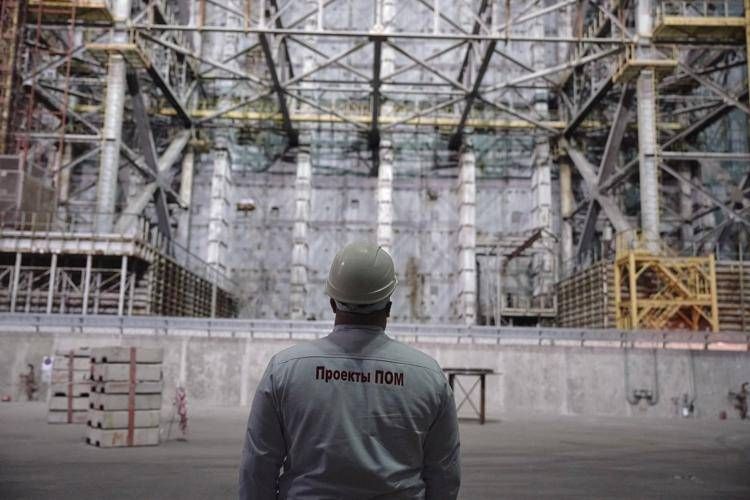
Trump posts suspect image after Washington shooting arrest
26 Aprile 2026
President says attacker acted alone; FBI urges public to share information as investigation expands. Donald Trump shared on Truth Social...
Read More
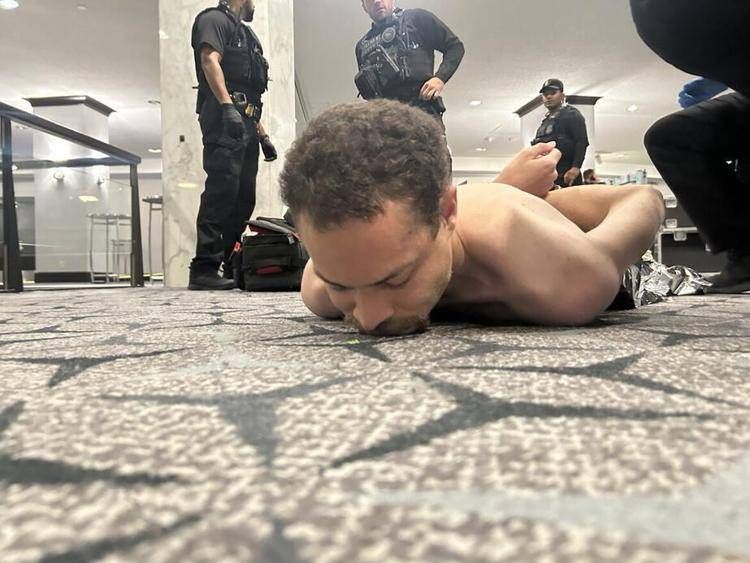
US Special Forces Soldier Arrested Over Maduro Operation Insider Trading Scheme
24 Aprile 2026
Federal prosecutors say the servicemember used classified intelligence tied to “Operation Absolute Resolve” to place high-stakes bets on Polymarket, netting...
Read More
Mojtaba Khamenei seriously injured in Israeli strike on residence compound
23 Aprile 2026
The Supreme Leader’s son, Mojtaba Khamenei, sustained severe injuries in an Israeli attack on his residential complex on February 28,...
Read More
Kratom boom raises alarm as poison center cases surge in the US
23 Aprile 2026
Study finds 65-fold increase in exposures and growing number of severe medical outcomes linked to plant-based psychoactive substance A plant-derived...
Read More
Jet fuel crisis forces flight cuts as summer travel nears
22 Aprile 2026
Lufthansa cancels 20,000 short-haul flights, while Ryanair warns of rising costs and market instability A growing jet fuel crisis is...
Read More