U.S. appeal for ships to pressure Iran receives cautious responses from allies as more than 2,000 vessels remain blocked and...
Read More
International-News
Saudi Arabia and the UAE rivalry puts Yemen back at the center of regional tensions
Emergency measures in Yemen, rising frictions in the Gulf, and Israel’s Somaliland move add pressure on regional stability
The Saudi Arabia and the UAE rivalry is once again drawing international attention to Yemen, as internal crises and regional power dynamics intensify. The situation risks becoming a new diplomatic challenge for former U.S. President Donald Trump, while global focus is also sharpened by Israeli Prime Minister Benjamin Netanyahu’s recent move to recognize Somaliland as an “independent and sovereign state,” a decision analysts see as strategically driven, particularly in an anti-Houthi context.
Yemen, long trapped in internal and regional tensions and suffering from a severe humanitarian crisis, is deeply divided by a civil war involving the Iran-backed Houthi movement. On Monday, Yemeni Presidential Council head Rashad al-Alimi, considered close to Riyadh, declared a 90-day state of emergency. He also ordered the closure of ports and borders for 72 hours and announced the termination of the defense pact with the United Arab Emirates, according to Yemen’s Saba news agency, amid escalating tensions in the country’s south.
Recent weeks have seen growing friction between the Saudi-backed Yemeni government and the Southern Transitional Council (STC), a secessionist group believed to be supported by the UAE. The Saudi-led coalition announced it had carried out a “limited military operation” at the port of Mukalla, in southern Yemen, after warning the STC against military actions in the area bordering the Gulf monarchy. The region had been seized in recent days by southern forces.
According to the coalition, two vessels entered the port of Mukalla over the weekend, allegedly carrying weapons and equipment to support the STC, which seeks to establish a separate southern state from northwestern Yemen, controlled by the Houthis since 2014. Saudi sources cited by The Wall Street Journal said the vessels had departed from the Emirati port of Fujairah with tracking systems turned off.
Saudi Arabia’s Foreign Ministry on Monday cited threats to the kingdom’s national security and to regional stability, urging the United Arab Emirates to comply with Yemen’s request that all Emirati forces leave Yemeni territory within 24 hours and cease all military or financial support to any Yemeni factions. It remains unclear, CNN reports, which Emirati forces are currently present in Yemen.
Over the weekend, U.S. Secretary of State Marco Rubio expressed concern over developments in southeastern Yemen, calling for “moderation” and “diplomacy” to achieve a “durable solution.” Rubio reiterated appreciation for the diplomatic leadership of Saudi Arabia and the UAE while supporting efforts to advance shared security interests.
The Saudi Arabia and the UAE rivalry has grown increasingly complex, despite both countries being key U.S. partners and former allies in the Saudi-led coalition formed to counter the Houthis. While Riyadh officially supports a unified Yemen, Abu Dhabi has backed southern forces that now control large portions of the country’s south, according to observers.
Mukalla lies nearly 500 kilometers northeast of Aden, the de facto capital for anti-Houthi forces since the Houthis seized Sana’a more than a decade ago. The Houthis have recently threatened to attack any potential Israeli presence in Somaliland, a strategically located region along the Gulf of Aden.
Israel has previously struck targets in Yemen in response to Houthi attacks linked to support for Palestinians in Gaza. According to Israel’s Institute for National Security Studies, cited by the BBC, Israel needs regional allies in the Red Sea area for strategic reasons, including the possibility of future military action against the Houthis. Somaliland, analysts argue, could offer Israel strategic access close to the conflict zone.
“The Red Sea is a key transit route for weapons and fighters,” said Cameron Hudson, an Africa analyst interviewed by the BBC. “Having a security and intelligence presence there serves Israel’s broader strategic interests,” he added, highlighting how the Saudi Arabia and the UAE rivalry intersects with wider regional power shifts.
THE LATEST NEWS
Oscars 2026: 98th Academy Awards Begin Tonight in Los Angeles
15 Marzo 2026
Conan O’Brien hosts the Oscars with new Best Casting category and special tributes planned The 98th Academy Awards ceremony is...
Read More

Brad Cooper leads US military operations against Iran
15 Marzo 2026
The head of U.S. Central Command oversees the American campaign launched after Operation Epic Fury, bringing decades of naval experience...
Read More

Benjamin Netanyahu Denies Death Rumors in Video
15 Marzo 2026
Israeli Prime Minister addresses online speculation, confirms he is healthy and continues to work for the state’s security Online rumors...
Read More

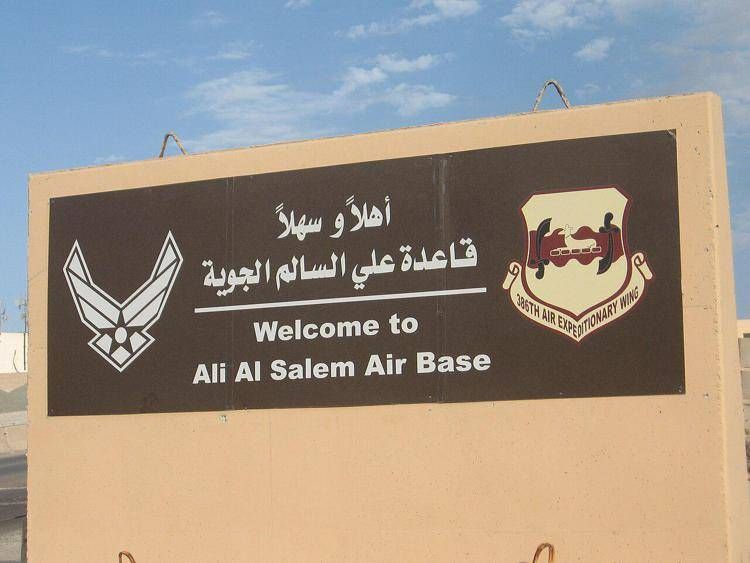
Drone Attack at Ali Al Salem Base Destroys Italian Task Force Air Drone
15 Marzo 2026
An unmanned aircraft struck the Ali Al Salem base in Kuwait, destroying an Italian Task Force Air drone stored inside...
Read More
Donald Trump on the Strait of Hormuz: Countries Should Send Warships
14 Marzo 2026
The U.S. president says several nations may deploy naval forces with the United States to keep the strategic waterway open...
Read More
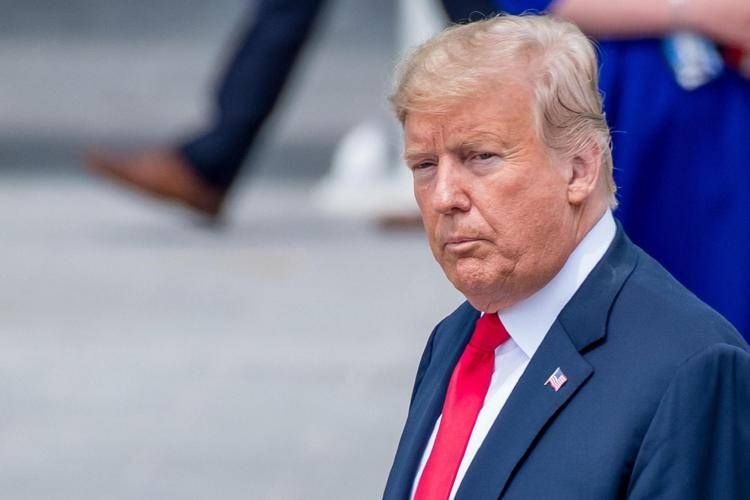
(Photo: © AndKronos)