The American actor visited the Ukrainian capital after missing the March 15 Academy Awards in Los Angeles, where he won...
Read More
International-News
Trump Calls Naval Coalition but Fails to Gain Support on Strait of Hormuz
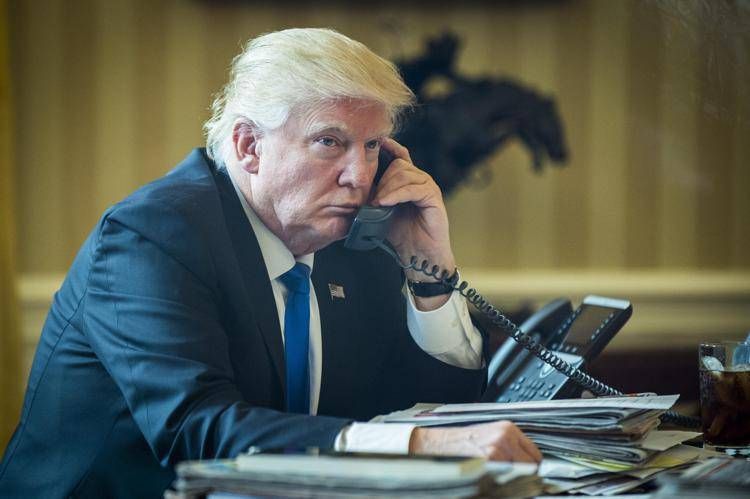
U.S. appeal for ships to pressure Iran receives cautious responses from allies as more than 2,000 vessels remain blocked and oil prices surge past $100 per barrel
Trump calls naval coalition but fails to gain support on Strait of Hormuz, despite urging several countries to deploy ships to pressure Iran into reopening one of the world’s most critical oil routes. The closure of the strait has left more than 2,000 vessels stranded, disrupting the global crude market and pushing oil prices above $100 per barrel.
The initiative was launched through posts on Trump’s social media platform Truth. Trump calls naval coalition but fails to gain support on Strait of Hormuz as reactions from governments approached by Washington remain cautious or noncommittal. The U.S. president explicitly mentioned the United Kingdom, France, Japan, and South Korea, and also referenced China in his appeal.
Italy, for its part, had already denied in recent days that any contacts with Tehran were underway.
China’s response has so far avoided any direct commitment. Through its embassy in Washington, Beijing stated that “all parties have the responsibility to ensure stable and uninterrupted energy supplies.” Embassy spokesperson Liu Pengyu told the Russian agency Tass that China’s position on the conflict is “objective and impartial,” calling for an immediate halt to military operations to prevent escalation and the spread of the conflict.
Japan’s response also appears cautious. According to CNN, officials in Tokyo note that “high hurdles” must be overcome before Japanese ships could be deployed. Takayuki Kobayashi, a senior member of the Liberal Democratic Party, told the broadcaster NHK that the option cannot be ruled out from a legal perspective but requires careful evaluation.
South Korea has not shown a clear opening either. The presidential office stated that the country will maintain close communication with the United States and will make a decision only after a thorough assessment.
In Europe, the United Kingdom has signaled a more open stance. A spokesperson for the Ministry of Defence said London is discussing “a range of options with allies to ensure the security of navigation in the region.”
Energy Secretary Ed Miliband told the BBC that the government is “evaluating every option,” adding that reopening the waterway is a priority for the international community. He stressed that the best outcome would be a rapid de-escalation of the conflict, while noting that sending naval vessels is only one of several possible contributions.
While Trump calls naval coalition but fails to gain support on Strait of Hormuz, Iran is also pursuing diplomatic contacts, using oil shipments as leverage and attempting to create distance between Washington and its partners.
Iranian Foreign Minister Abbas Araghchi said several countries have contacted Tehran to ensure safe passage for their ships. Speaking to CBS, he declined to name specific nations when asked whether negotiations were underway with Italy or France.
“The Islamic Republic is open to countries that want to discuss safe passage through the Strait of Hormuz,” Araghchi said. He added that Iran’s armed forces have already decided to allow certain vessels from different countries to transit safely. According to Araghchi, Iran has not closed the strait, arguing that ships are avoiding the route because of insecurity caused by what he described as U.S. aggression in the region.
THE LATEST NEWS
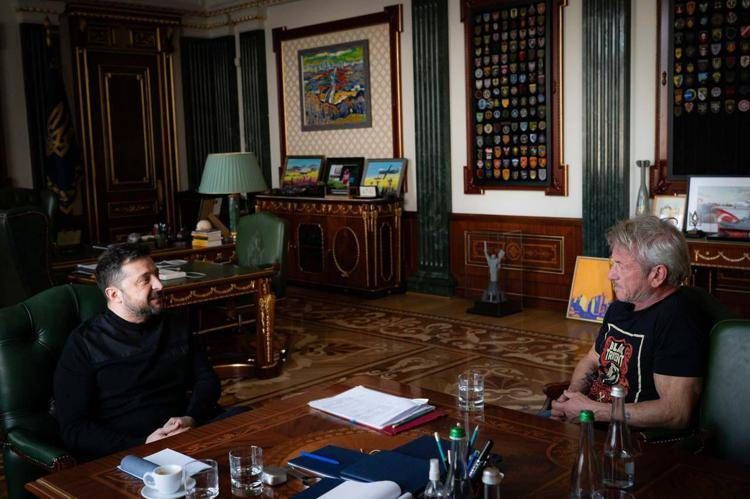
Mojtaba Khamenei transferred to Russia for medical treatment? Moscow remains silent
16 Marzo 2026
According to international media, the new Iranian leader may have been injured in U.S. and Israeli raids. Neither Tehran nor...
Read More
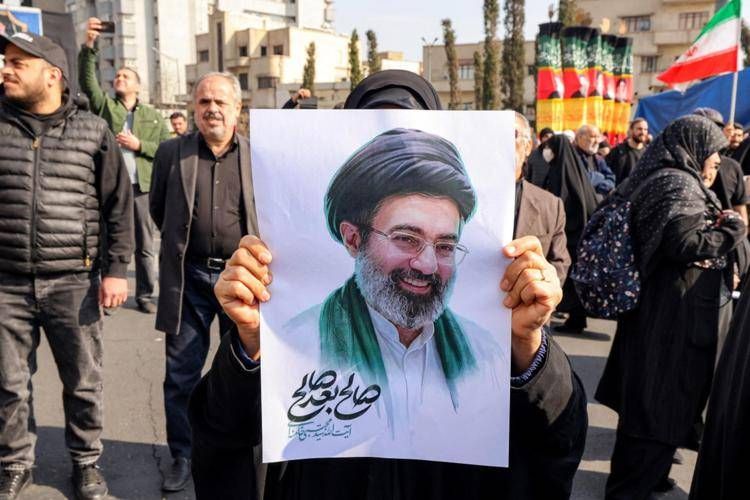
Mojtaba Khamenei’s Reported Sexual Orientation Draws Attention in U.S. Intelligence Briefings
16 Marzo 2026
U.S. intelligence reportedly informed President Donald Trump that Mojtaba Khamenei may be gay, according to the New York Post, amid...
Read More
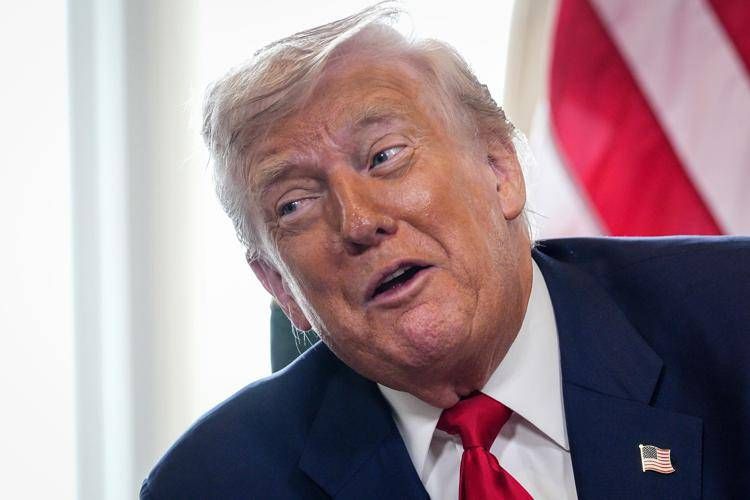
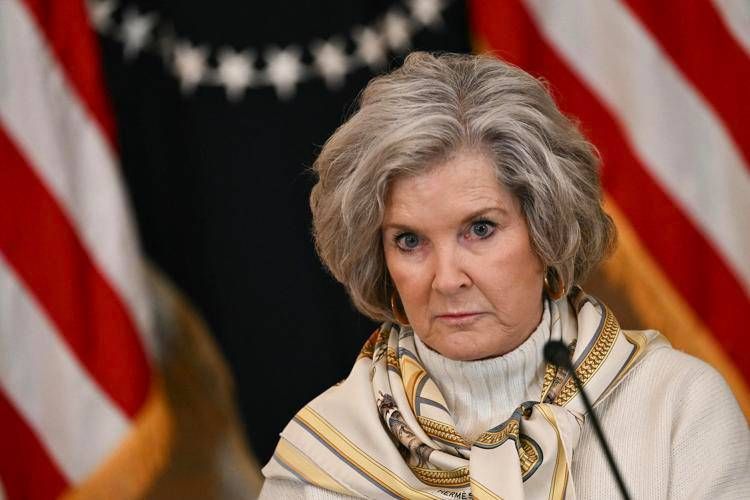
Susie Wiles diagnosed with early-stage breast cancer, Trump announces
16 Marzo 2026
The White House chief of staff has chosen to begin treatment immediately while remaining active in her duties, according to...
Read More
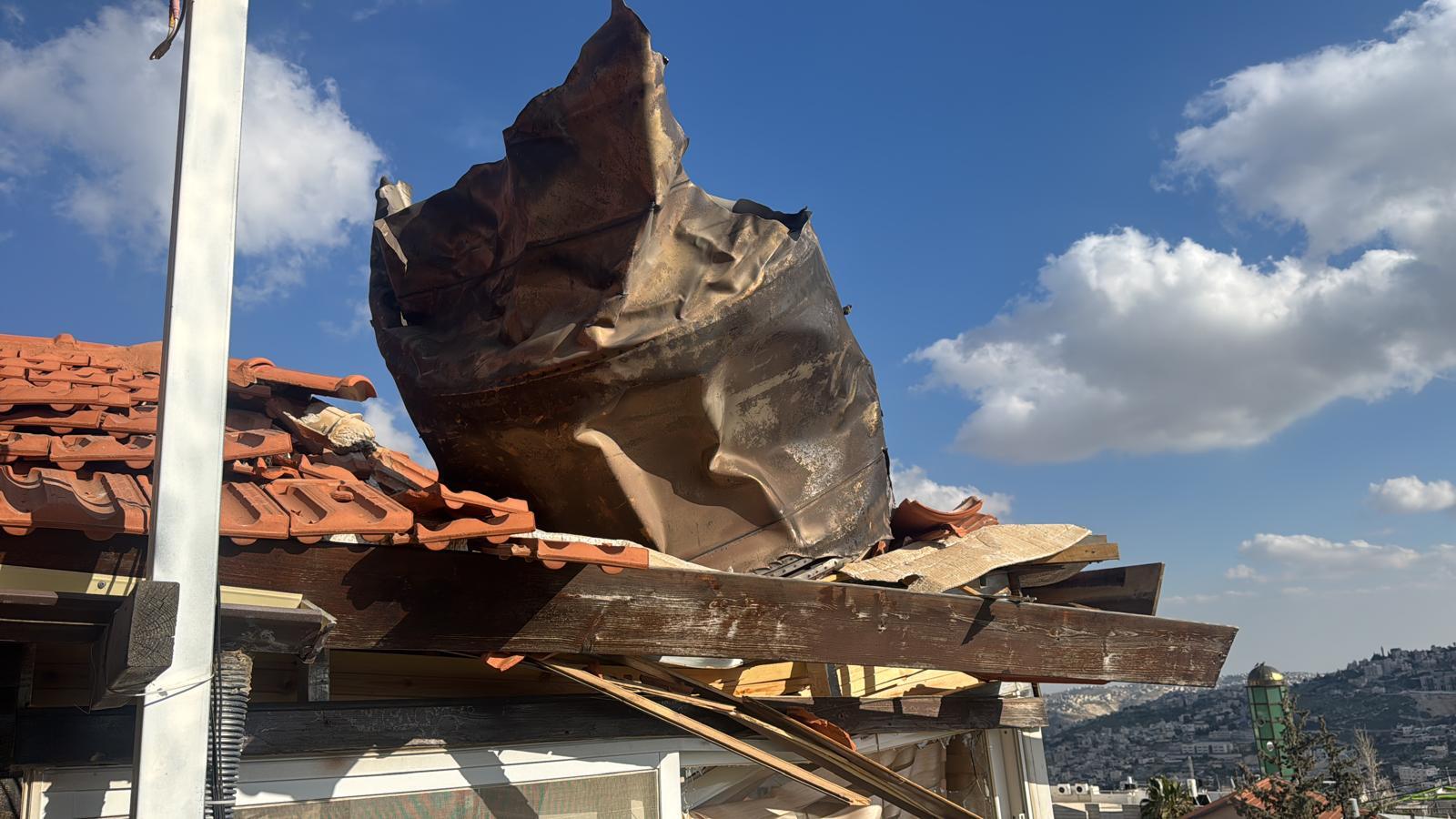
Iranian missile attack on Jerusalem: debris falls near Holy Sepulchre and Knesset
16 Marzo 2026
Fragments from intercepted Iranian ballistic missiles landed near the Church of the Holy Sepulchre, the National Library and close to...
Read More
Trump Calls Naval Coalition but Fails to Gain Support on Strait of Hormuz
15 Marzo 2026
U.S. appeal for ships to pressure Iran receives cautious responses from allies as more than 2,000 vessels remain blocked and...
Read More
(Photo: © AndKronos)