
Israeli Defense Forces confirm death of Basij commander Golam Reza Soleimani and other senior officials in coordinated raids Ali Larijani,...
Read More
International-News
Iran regime likely to hold power, intelligence assessments say
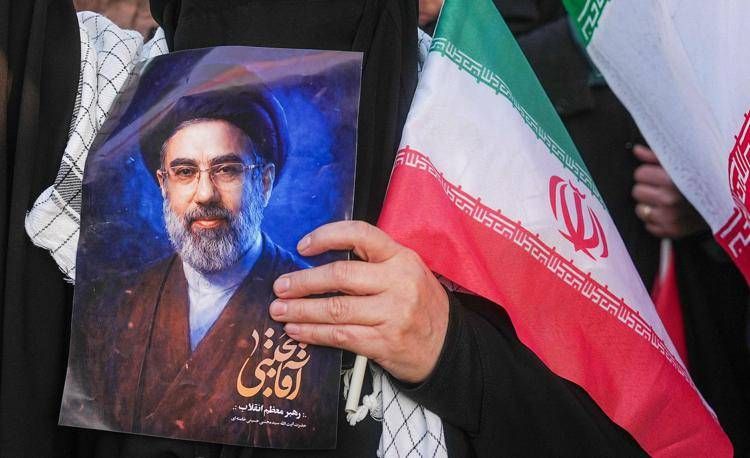
U.S. officials see no imminent collapse in Tehran, warning the system could emerge more hardline despite being weakened
The Iran regime likely to hold power remains the most probable outcome despite weeks of U.S. and Israeli attacks, according to intelligence assessments cited by The Washington Post.
Officials and analysts with expertise on Iran see little short-term prospect of a regime change that would end the Islamic Republic, which has been in power for 47 years, or lead to a more democratic government.
According to two officials familiar with the intelligence, the current leadership is expected to remain intact and could even emerge more intransigent. The assessments suggest Tehran may interpret its survival as proof of resilience after confronting U.S. President Donald Trump.
At the same time, Iran is described as weakened, with a growing role for the Islamic Revolutionary Guard Corps, known as the Pasdaran, which is expected to tighten its control over the country.
Concerns are also mounting among U.S. allies in the Persian Gulf. Arab partners are described as angry and alarmed after becoming targets of retaliatory Iranian missile and drone strikes.
A European official said the most likely postwar scenario involves a residual system dominated by the Revolutionary Guards in Tehran. While weakened, it would retain elements of its nuclear and missile capabilities, along with support from regional allied groups.
A source familiar with the situation said Trump had received highly alarming intelligence briefings before authorizing the joint military action with Israel. The possibility of a strengthened Revolutionary Guard presence had been clearly outlined in advance.
“It was not just predictable,” the source said. “It had been predicted. He had been told beforehand.”
Tensions with Gulf allies have deepened as the conflict continues. A senior Arab official criticized Washington’s approach, saying the war had been initiated in support of Israel, leaving regional partners to face the consequences of Iranian retaliation.
Before the conflict began, U.S. officials had indicated that any military confrontation would be swift. However, the current situation suggests Iran is seeking to prolong the conflict, increasing pressure on neighboring countries.
THE LATEST NEWS
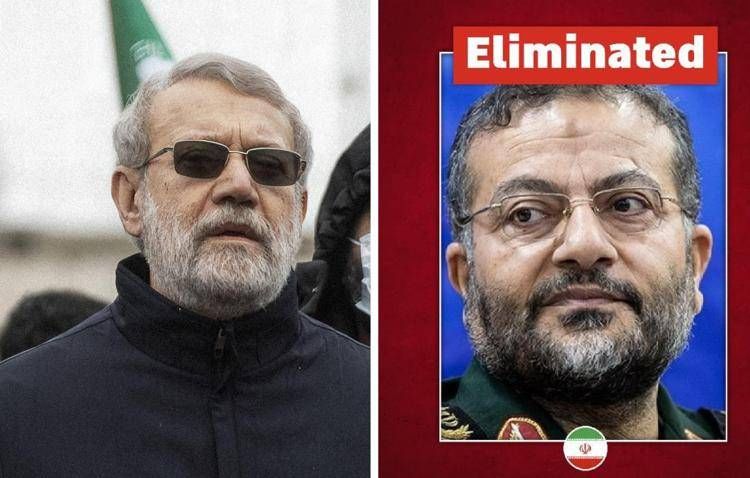
Iran regime likely to hold power, intelligence assessments say
17 Marzo 2026
U.S. officials see no imminent collapse in Tehran, warning the system could emerge more hardline despite being weakened The Iran...
Read More
South Korea energy crisis hits stocks as Iran war disrupts supply
17 Marzo 2026
Seoul’s market plunges after the Strait of Hormuz closure exposes energy dependence tied to chip production and data infrastructure South...
Read More
Sean Penn Meets Zelensky in Kyiv After Skipping Oscar Ceremony
16 Marzo 2026
The American actor visited the Ukrainian capital after missing the March 15 Academy Awards in Los Angeles, where he won...
Read More

Mojtaba Khamenei transferred to Russia for medical treatment? Moscow remains silent
16 Marzo 2026
According to international media, the new Iranian leader may have been injured in U.S. and Israeli raids. Neither Tehran nor...
Read More
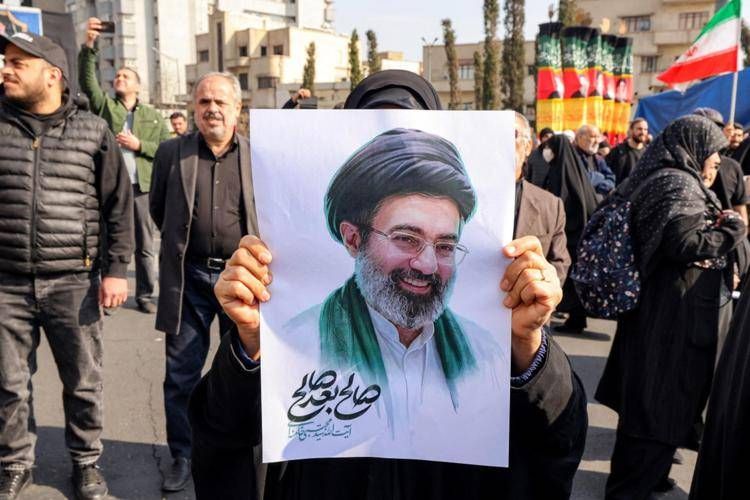
Mojtaba Khamenei’s Reported Sexual Orientation Draws Attention in U.S. Intelligence Briefings
16 Marzo 2026
U.S. intelligence reportedly informed President Donald Trump that Mojtaba Khamenei may be gay, according to the New York Post, amid...
Read More
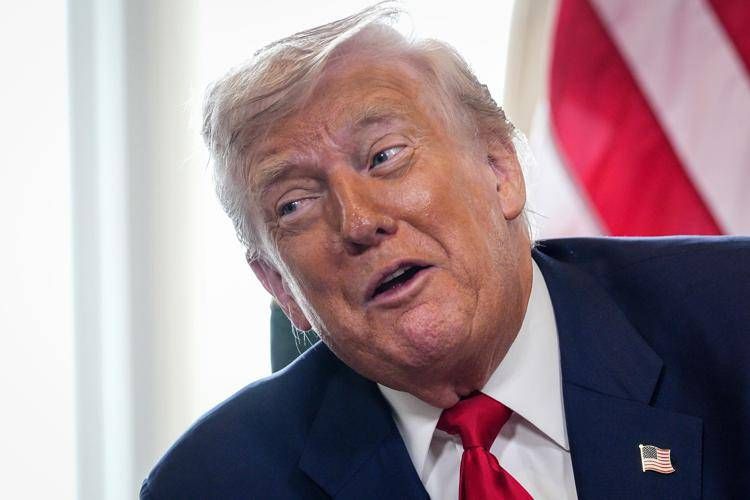
(Photo: © AndKronos)

You must be logged in to post a comment Login